The ruling APC knows how to bring opposition parties together. They did it between 2013 and 2015. They worked out their differences, chose a single candidate, and defeated an incumbent president. They succeeded because they negotiated and agreed on a candidate. That candidate, Muhammadu Buhari, was easy to accept since other leading contenders saw their chances in a post-Buhari era. This led to a historic moment in Nigeria when a sitting president was defeated in 2015 and power was handed over peacefully. Because they understand this process, the APC was not going to let others do to them what they did to their opponents.
So, it was not surprising when the APC showed panic in June 2025. The opposition coalition, the African Democratic Congress (ADC), was set to launch its platform. Hours before the event, the hotel where they planned to meet canceled their reservation. The Wells Carlton Hotel and Apartments in Asokoro, Abuja, cited an unspecified “internal compliance matter” for the cancellation. This late change suggested that some powerful people wanted to stop the coalition's inauguration because they were scared.
Before this, the main opposition party, the Peoples Democratic Party (PDP), faced constant harassment from the state. The presidency's allies used the legal system to create obstacles for the party. The police also disrupted PDP meetings and occupied their offices. The government's actions crossed the line by interfering with opposition activities. This pushed parties to unite and form the ADC.
Since 2023, Tinubu's political strategy has aimed to weaken opposition parties. He has encouraged factional crises within them, trying to lure key members to the ruling party. But this approach is not sustainable. There are limited positions in the APC, and sharing benefits with newcomers would upset current party members. This situation pushed opposition parties to consider forming a united front to challenge the APC in the 2027 elections. The ruling party's tactics have created a need for unity among the opposition.
The biggest hurdle for a united opposition is not the ruling party's tactics. It is that many opposition leaders have their own presidential ambitions. They are not willing to step aside for anyone. This makes it hard to agree on a single candidate, and the coalition risks breaking apart. This has happened many times in Nigeria's political history. The APC's success in 2015 was an exception. So, it was not surprising when one of the hopefuls for the coalition's presidential candidate, Peter Obi, left to join the NDC. Other opposition parties decided to go their own ways. The coalition lost strength without a united front against the current president.
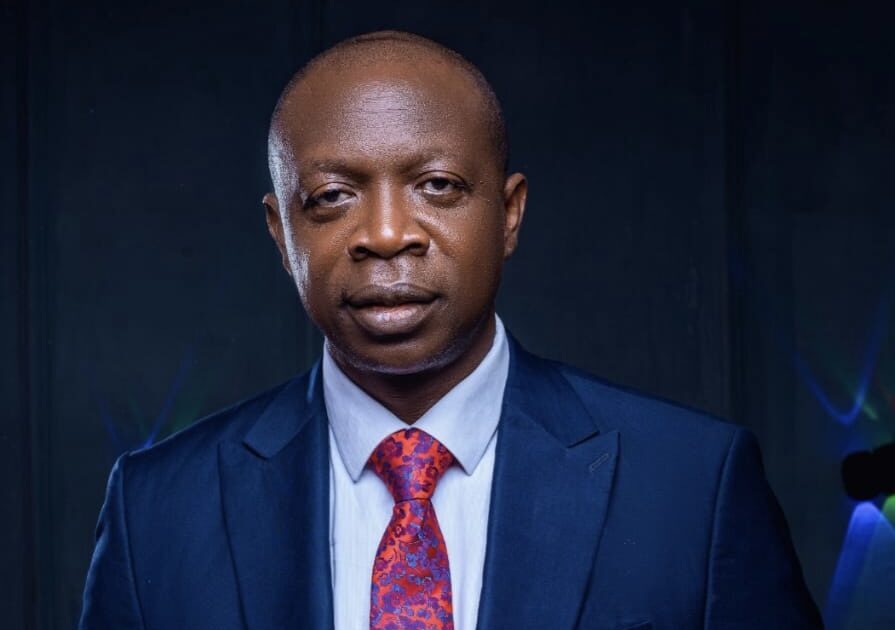
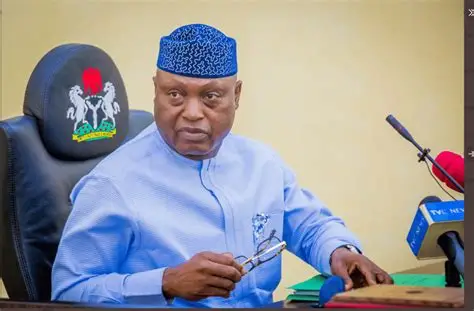
But my friend and political mobilizer, Dr. Salihu Lukman, never gives up. He is trying to revive the coalition movement by creating a group of 100. This week, they brought together the National Chairmen of major opposition parties. These include the ADC, Allied Peoples Movement (APM), Nigeria Democratic Congress (NDC), PDP, Peoples Redemption Party (PRP), and Social Democratic Party (SDP). They met with their presidential and vice-presidential candidates to discuss forming a united coalition. Dr. Lukman warned them to avoid the mistakes of 2003, 2007, and 2011. In those years, the opposition was divided, making it easy for the ruling party to win. He reminded them that in 2023, the APC won with just under nine million votes. One opposition candidate received almost seven million votes, while another got just over six million. The opposition had thirteen million votes, yet the side with fewer votes took power.
He pointed out that this is not just a Nigerian lesson. In Kenya in 2002, a party that ruled for thirty-nine years lost power because the opposition united. In Malaysia in 2018, a coalition that had governed for sixty-one years was defeated similarly. In both cases, the opposition won not because they were better but because they worked together. The lesson here is not moral but mathematical. Will they listen to him? More importantly, will they act on this advice?
The presidential candidates of these parties have already gone through nomination processes. Many see themselves as future presidents. It is tough for them to step back for one person. The problem in Nigeria is that power is concentrated in the presidency. No ambitious politician feels rewarded without the top job. Some of these candidates are older and see this as their last chance to achieve their ambitions. So, the question of feasibility remains a hard one for the opposition.

Drop your comment
No comments yet — be the first to drop the gist 👇