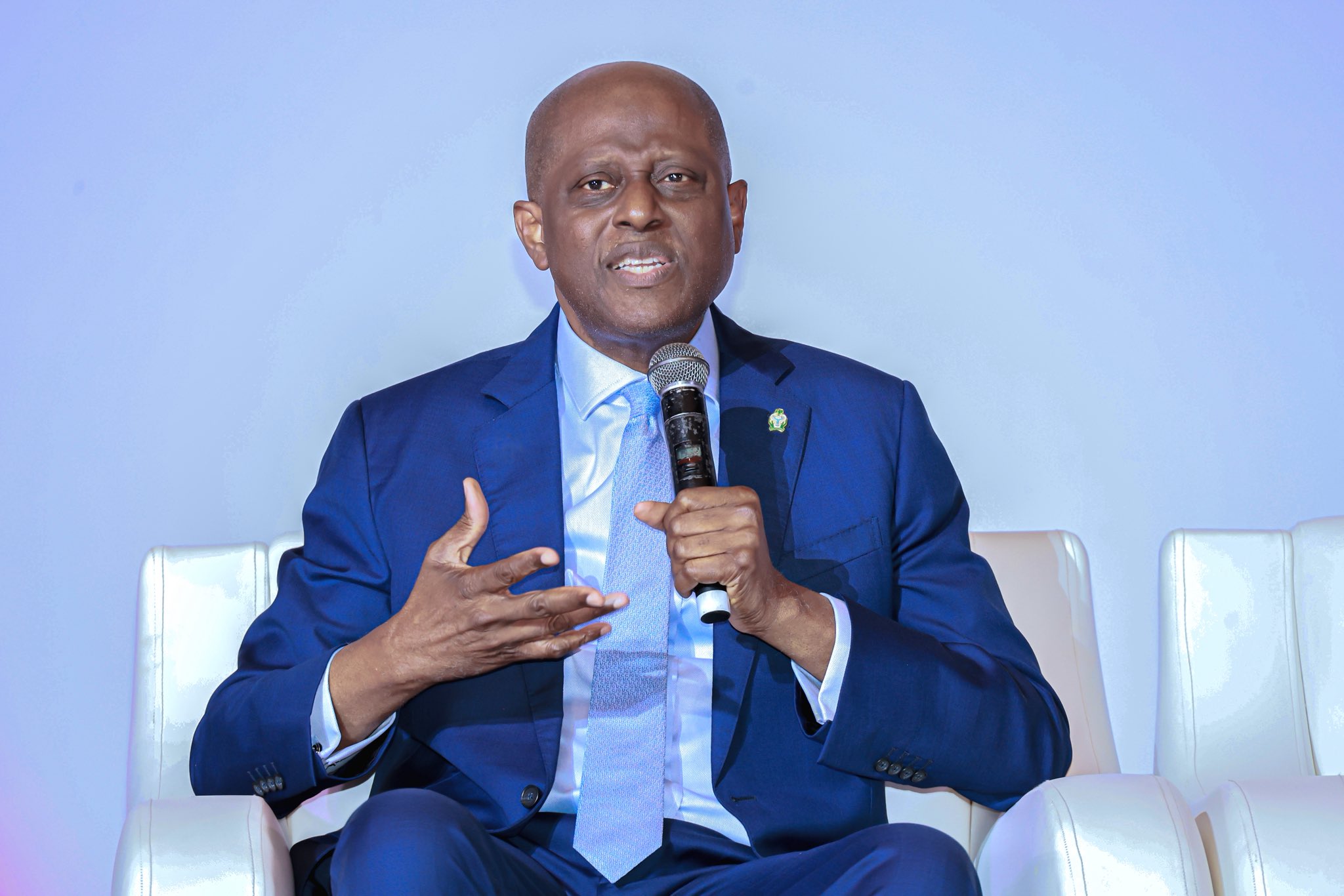
Olayemi Cardoso, the governor of the Central Bank of Nigeria, spoke on Thursday about why the Monetary Policy Committee decided to cut the interest rate recently.
Mr Cardoso addressed a panel at the ongoing World Bank and IMF meetings in Bangkok, Thailand. He also praised the fiscal authorities for working together to ensure that policy decisions were communicated clearly.
In September, the Central Bank of Nigeria (CBN) lowered the benchmark interest rate to 23 percent. This came after keeping the Monetary Policy Rate (MPR) at 26.5 percent for two consecutive meetings in May and July. Earlier, it had reduced the rate by 50 basis points from 27 percent in February.
“It took the market by surprise and markets, as we know, generally don’t like surprises,” Mr Cardoso said during the panel discussion titled “How Central Banks Decide, Committee Decision-Making and Communication in an Era of Uncertainty.”
“I think the communications aspect was very, very well thought through.”
Mr Cardoso explained that many factors played a role in the decision to cut the rate.
“For example, we had significantly changed a lot of the things that were not working… for example, coordination between the fiscal and the monetary.”
“We had signed up an MOU between the fiscal and the monetary to ensure that we were all on the same page, and that was very well received. We have an overnight rate, which gives more clarity to what the real rates are as opposed to a system that we had in place prior to that.”
Nigeria's Economic Position
On the broader economic situation, Mr Cardoso said Nigeria was in a good place.
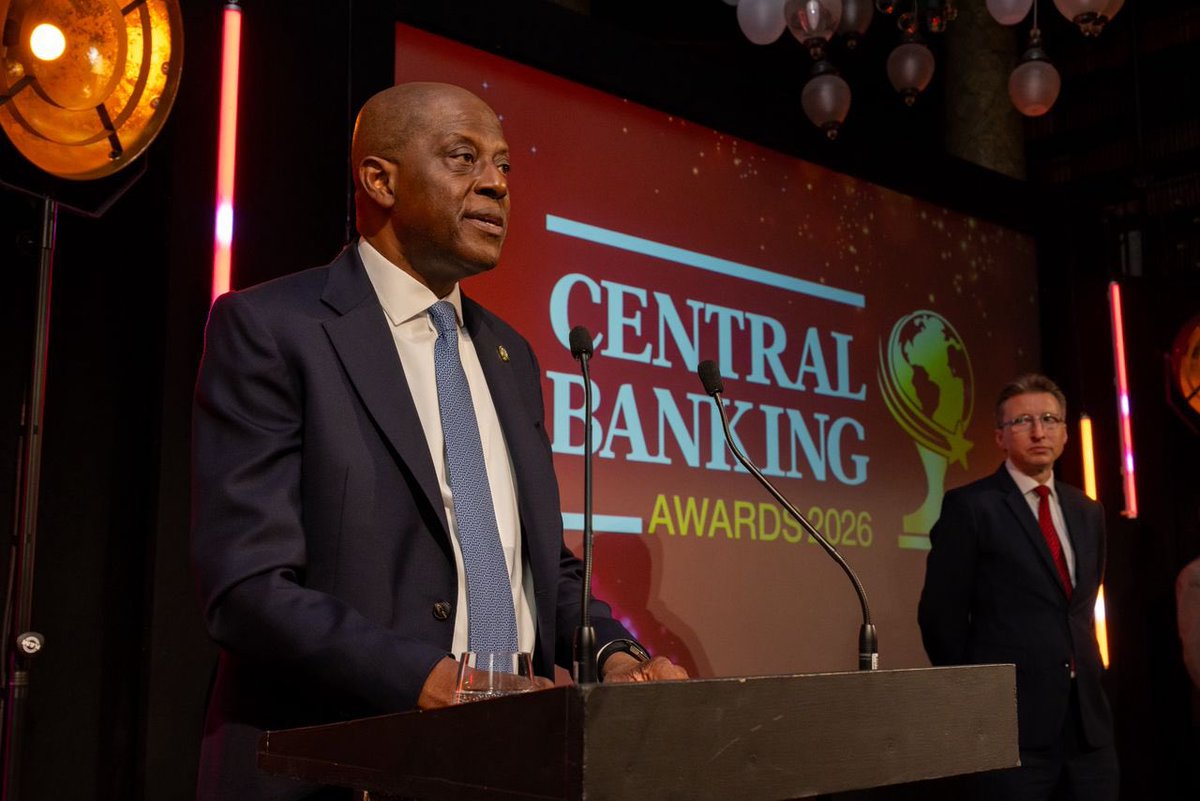


“Our external reserves were the highest we had had in 18 years. Inflation was coming down consistently even though, internationally, in many places, it was going up; in our case, it was coming down. And growth was still going at a reasonable enough pace.”
The Central Bank governor noted that these factors showed Nigeria was ready to take actions that the monetary authorities could have done before.
“And in doing that, which I must tell you, our communication channel after the MPC is, we have a dialogue with the press. And of course, in the process of the dialogue, I spent more time than normal in explaining where we were coming from and where we were.”
“It made it easier for them to understand why we took the decision. Because you could go the other way around and talk about the decision first, and then now leave people wondering, ‘how does that relate to something else?’ And I had to go back and say, well, this is where we were coming from. These are the headwinds we’ve met. This is how we’ve conquered them. And this is where we are now. So we’re in a very good position to correct now an imbalance in our transmission mechanism that has been dying to be corrected.”
Confidence in the Decision
The governor also emphasized that the decision was supported by the external buffers and macro stability.
“Whatever be the case, we have the buffers, we’re in a good place, the macros are looking well, that really there’s nothing for anybody to worry themselves about,” he said.
“It took the market by surprise, but by the time they digested the information, and they knew, especially the markets, the markets knew that there was a break in the transmission; they knew this because they operate in that market and obviously knew that the action we are taking makes sense.
“I will finish by saying that to do such a thing successfully, you must have an element of credibility with the markets. And when I say credibility with the markets, the markets must have consistently seen you over a period of time doing things in the right way and believe they can put their trust in you.


Drop your comment
No comments yet — be the first to drop the gist 👇