
Ogun State is ready for a new phase of industrial growth, with plans for investments over $17 billion. This includes a proposed deep seaport and special economic zone, backed by global logistics company DP World. There are also efforts to revive the long-stalled OgunLNG project with the Nigerian National Petroleum Company Limited (NNPC).
These plans show Governor Dapo Abiodun’s goal to turn Ogun’s geographical benefits, solid industrial base, and growing infrastructure into a hub for both local and international investments.
Since he took office on May 29, 2019, Abiodun has focused on an economic plan centered on building infrastructure, partnering with the private sector, and creating a business-friendly environment. He aims to move Ogun beyond just being close to Lagos, making it a key place for manufacturing, maritime trade, logistics, energy, and industrial production.
The upcoming investment could be a turning point in achieving this goal. The deep seaport, vast special economic zone, and a major liquefied natural gas project promise to open new economic doors, attract businesses, boost industrial activities, and create many jobs.
The $17 billion figure reflects the potential value of these investment plans, not cash already invested. The projects are at different stages of development, and their actual impact on the economy will depend on how well they are executed.
Still, their size, alongside the government’s investments in roads, aviation, and other infrastructure, shows Ogun’s increasing industrial ambitions.
Abiodun’s economic plan recognizes that real industrial growth needs more than just investor-friendly policies. It requires good roads connecting factories to markets, effective transport systems, dependable logistics, and a supportive environment for business.
Since 2019, the government has built and fixed over 1,600 kilometers of roads throughout Ogun State. This has improved connections among communities, business centers, farms, and industrial areas.
The road project covers all 20 local government areas in the state, showing the government's focus on using infrastructure to drive economic growth.
For manufacturers and suppliers, good road networks can lower transport costs, give better access to raw materials and markets, and strengthen supply chains. For farmers and food processors, better roads help move products to market and boost access to buyers.
Ogun’s closeness to Lagos, Nigeria’s commercial center, is a big plus. The government aims to back this location with infrastructure that can support more economic activities and attract businesses wanting to set up or grow.
Rail links through the Lagos-Ibadan standard-gauge railway add to Ogun’s transport choices. Road projects, like fixing the Sagamu-Ijebu-Ode-Ore Road, aim to improve market access and strengthen economic ties, especially in Ogun East.
The Lagos-Calabar Coastal Highway could further improve regional connections when completed.
A key part of the government’s infrastructure plan is the Gateway Agro-Cargo International Airport at Iperu-Remo. This airport was developed during Abiodun’s first term and is now operational.
The airport aims to support cargo transport, agricultural exports, and logistics. It offers chances for businesses needing efficient air transport. Its importance lies in how it can complement road and rail infrastructure and boost Ogun’s role in trade.
In June 2025, Abiodun shared his vision to make Ogun the most connected state in Nigeria with an integrated network of roads, rail, air, and water transport.
This strategy shows that infrastructure is not just a goal. It needs to help productive activities, attract private investment, ease trade, and boost competitiveness.
This infrastructure-driven approach lays the groundwork for Ogun’s aim to attract major maritime and energy investments.
A significant step in Ogun’s investment push came on September 24, 2026, when the state government signed agreements with DP World MEA FZE in Paris, France, for the development of the Gateway Deep Sea Port and the Ogun State Blue Marine Special Economic Zone. President Bola Tinubu was there to witness the signing.
The planned development involves an initial investment of over $7 billion, putting Ogun’s Atlantic coastline at the center of a plan to grow Nigeria’s maritime, logistics, and industrial capacities.
For a state known for manufacturing, commerce, and its closeness to Lagos, the proposed deep seaport is a chance to strengthen its role in international maritime trade.
The Blue Marine Special Economic Zone is expected to cover over 10,000 hectares, providing space for industrial facilities, logistics operations, and businesses that want to benefit from being close to the port.
This project is expected to create over 50,000 direct jobs, although actual employment will depend on how many businesses set up in the zone and how fast development happens.
The significance of this investment goes beyond just building and running a port.
Deep seaports can boost broader economic activities by attracting shipping services, freight operators, warehousing businesses, manufacturers, exporters, and distribution companies. With good transport links and a favorable business climate, they can help form industrial ecosystems around port facilities.
The special economic zone can enhance these benefits by attracting businesses involved in manufacturing, processing, assembly, storage, and international distribution.
For Ogun, this combination offers the chance to connect maritime trade directly with industrial production. This way, businesses can move raw materials and finished goods more easily while accessing local and global markets.
The state government has said construction is expected to start in November 2026, after groundbreaking, with substantial completion projected in about two and a half years. This timeline will depend on how well the project is managed and progresses.
If completed as planned, this development could change the economic importance of Ogun’s coastline, attract new industries, and strengthen the state’s role in Nigeria’s maritime and logistics sectors.
It would also be a significant step in Abiodun’s efforts to attract global investors by combining Ogun’s location, land resources, industrial base, and infrastructure plans into an appealing offer for businesses worldwide.
While the deep seaport and special economic zone are in the spotlight, renewed discussions on OgunLNG have added an important energy aspect to the state’s industrial goals.
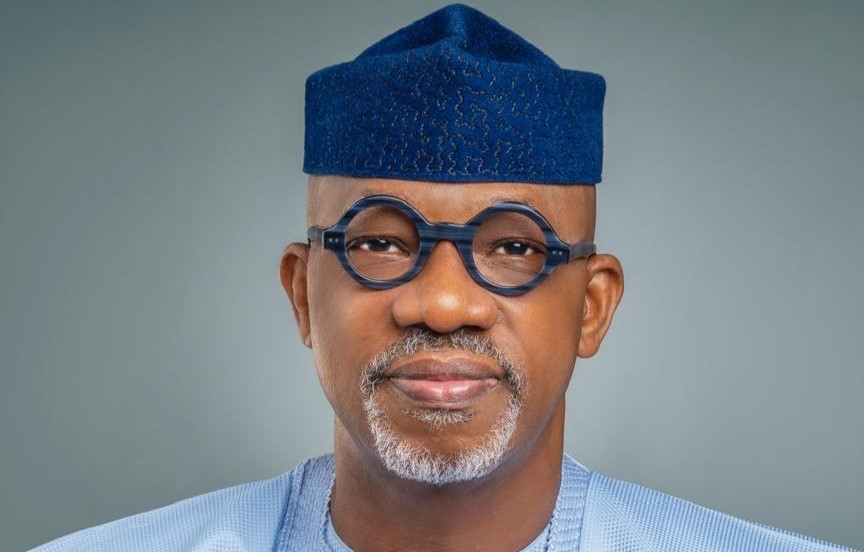
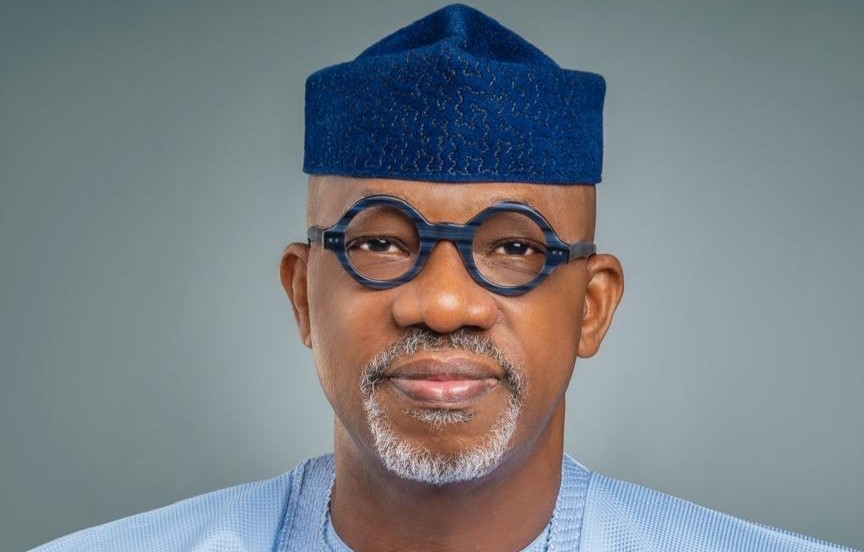
During talks with NNPC representatives in Iperu, Ikenne Local Government Area, Abiodun revealed a proposed initial investment of $10 billion by the national oil company for the long-overdue liquefied natural gas project linked to the Olokola coastal corridor.
The renewed talks have brought attention back to a project that has faced delays for years, raising new chances for investment in gas infrastructure and related industries.
NNPC was represented at the meeting by its Chief Financial Officer, Adedapo Segun, on behalf of the Group Chief Executive Officer, Bayo Ojulari.
Discussions highlighted the need for about 1,728 hectares of land and about 2.5 kilometers of Atlantic coastline. The Ogun State Government has expressed its readiness to assist with land issues and provide incentives to help move the project forward.

OgunLNG is still a proposed investment under active discussions. Its development will depend on further agreements and successful execution of necessary steps.
Even so, the renewed focus is crucial because energy infrastructure is key to modern industrial economies.
Manufacturing, processing, and other energy-heavy industries need reliable energy supplies to function well and stay competitive. Investment in gas infrastructure can also create jobs in processing, engineering, construction, maintenance, transport, and related services.
If realized, OgunLNG could work alongside the deep seaport and special economic zone, enhancing the economic case for industrial development along the coast.
The relationship between these projects is vital. Maritime infrastructure can ease the movement of goods, a special economic zone can host industrial and logistics businesses, while energy investment can support the needs of a growing economy.
Together, they could lead to a more diverse industrial base, with economic activities spreading beyond the current manufacturing clusters.
The Gateway Deep Sea Port, Blue Marine Special Economic Zone, and OgunLNG project are separate plans, but their potential advantages could reinforce one another.
The deep seaport could provide better access to international shipping routes. The special economic zone could draw businesses needing port access and large industrial facilities. The LNG project could support energy investments and create chances for industries that rely on steady gas supplies.
If all goes well, the combined impact could reach far beyond the locations of the projects.
Transport operators, construction firms, engineering companies, equipment suppliers, service providers, and small businesses could gain from the economic activities generated by these developments. Local manufacturers might find new chances to grow, while agricultural processors and exporters could enjoy better logistics and access to markets.
The proposed coastal investments could boost Ogun’s existing industrial base, which includes manufacturing, consumer goods, construction materials, and food processing.
Better access to maritime facilities, logistics services, and energy infrastructure could attract investors looking to start new operations or expand existing ones.
This is the bigger goal of Abiodun’s investment plan: to use infrastructure, strategic partnerships, and Ogun’s natural benefits to bring in capital, boost production capacity, and create jobs.
Instead of relying only on being close to Lagos, the government wants to enhance Ogun’s appeal through its infrastructure, industrial chances, and long-term economic prospects.
The success of this strategy will depend on whether the proposed projects turn into working businesses and productive industrial activities.
The chance for over $17 billion in investments is significant, but the real test will be the economic value these projects deliver.
This figure combines the proposed initial investment of over $7 billion linked to the DP World plans and the proposed $10 billion NNPC investment in OgunLNG. It should not be seen as money already spent or proof that the full value of the projects has been secured.
The plans are at different stages of development, and making them a reality will need continuous talks with investors, financing arrangements, regulatory approvals, construction, and good coordination among relevant bodies.
For Ogun residents, the most crucial outcomes will be jobs, business opportunities, improved infrastructure, better public revenue, and an increase in the state’s productive capacity.
The expected 50,000-plus direct jobs from the proposed DP World plans would be significant if realized. Beyond direct jobs, construction and later business operations could create more opportunities for suppliers, contractors, transport providers, and service companies.
Ensuring that local communities benefit will also be vital. Skills training, local jobs, chances for local businesses, and good engagement with communities can help spread the economic gains of big investments.
A reliable policy environment, efficient processes, dependable infrastructure, and clear implementation plans will be key to keeping investor confidence.
The next phase of Ogun’s investment drive will need more than signing agreements and announcing investment figures. It will require consistent progress from ideas to action, from building to business operations, and from projected benefits to real improvements in residents’ lives.
Abiodun’s government has worked to lay the groundwork for this transition through road development, aviation infrastructure, investment promotion, and efforts to improve the business environment.
The emerging investment plans offer a chance to build on these foundations and turn them into projects that support long-term economic growth.
Since he took office on May 29, 2019, Abiodun has focused on an economic agenda centered on building infrastructure, attracting investment, and expanding opportunities in Ogun State.
The administration’s approach is visible in the over 1,600 kilometers of roads built or repaired, the Gateway Agro-Cargo International Airport, and the push for major maritime and energy investments.
The proposed DP World plans have sharpened Ogun’s maritime focus, while renewed talks with NNPC have brought back attention to the long-stalled OgunLNG project.
Together, these plans offer the chance for a more diverse economy where manufacturing, maritime trade, logistics, energy, and related services support each other.
They also show the government’s determination to make Ogun a top choice for investors by combining its geographical strengths with infrastructure, strategic partnerships, and a business-friendly governance approach.
The challenge ahead is to maintain investor confidence, advance the projects through their development stages, and ensure that the expected economic opportunities turn into real benefits for the people.
For a state with a solid industrial base, a strategic location next to Lagos, and access to the Atlantic coast, the chance for a stronger maritime and energy economy presents an opportunity to draw in new businesses, increase jobs, and deepen industrial growth.
Over $17 billion in planned investments, more than 1,600 kilometers of roads completed, and bold plans for maritime and energy infrastructure put Ogun’s industrial ambitions at a crucial stage.
The vision is ambitious, but its real importance will be measured by the completed projects, the industries set up, the jobs created, and the prosperity sustained for Ogun State’s people.


Drop your comment
No comments yet — be the first to drop the gist 👇