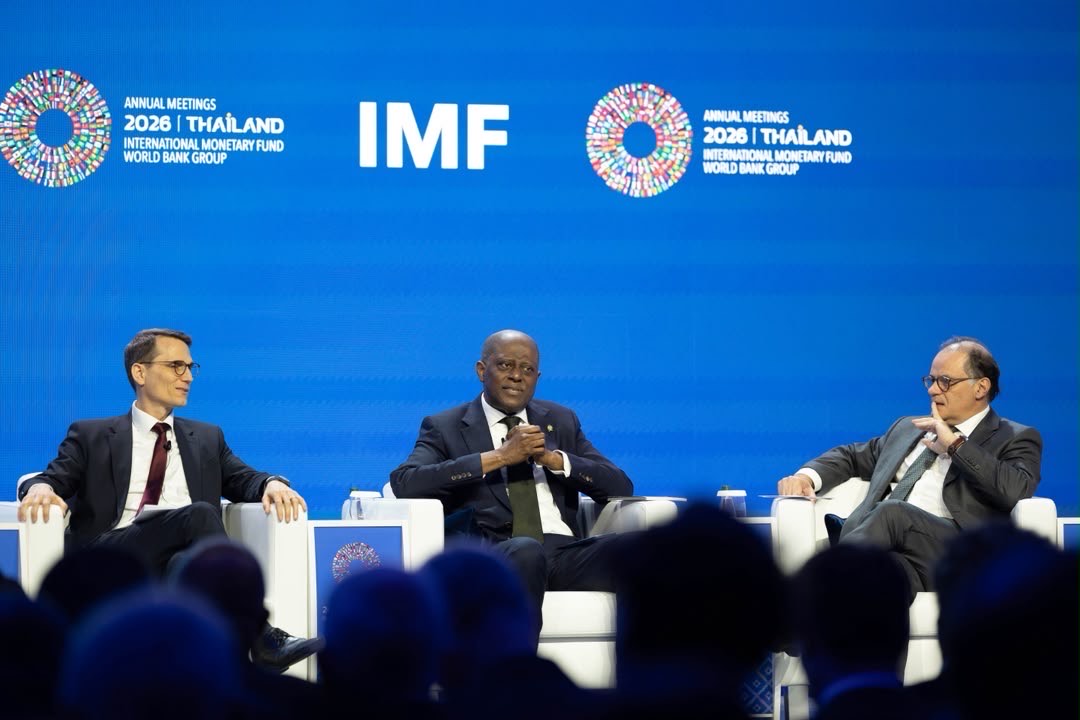
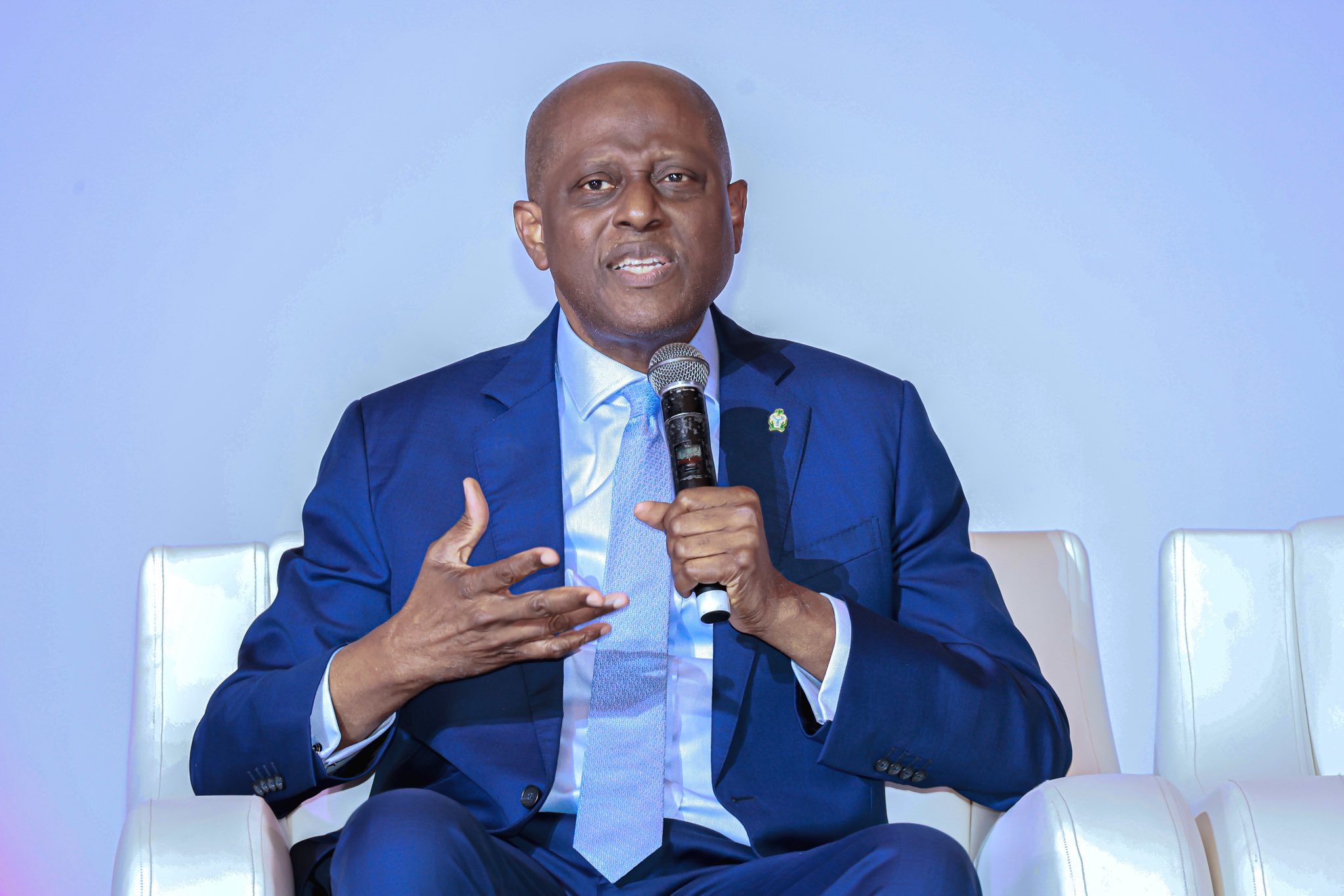
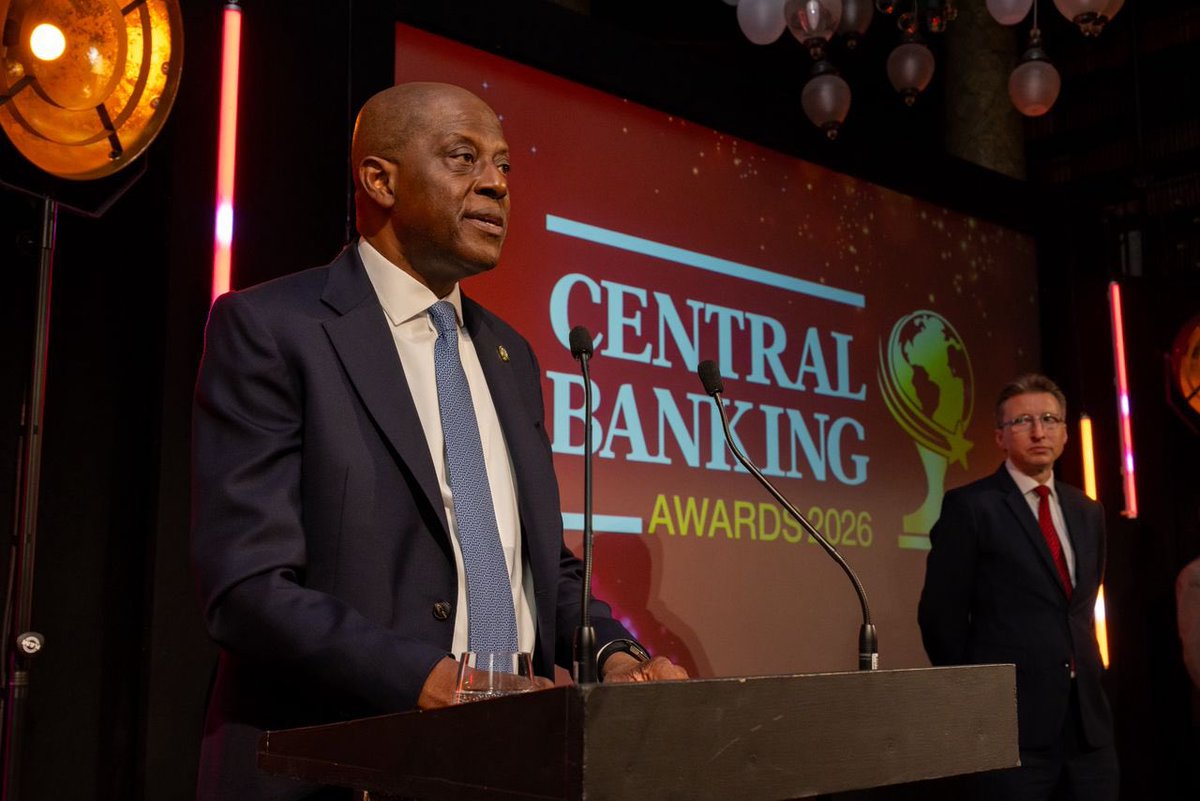
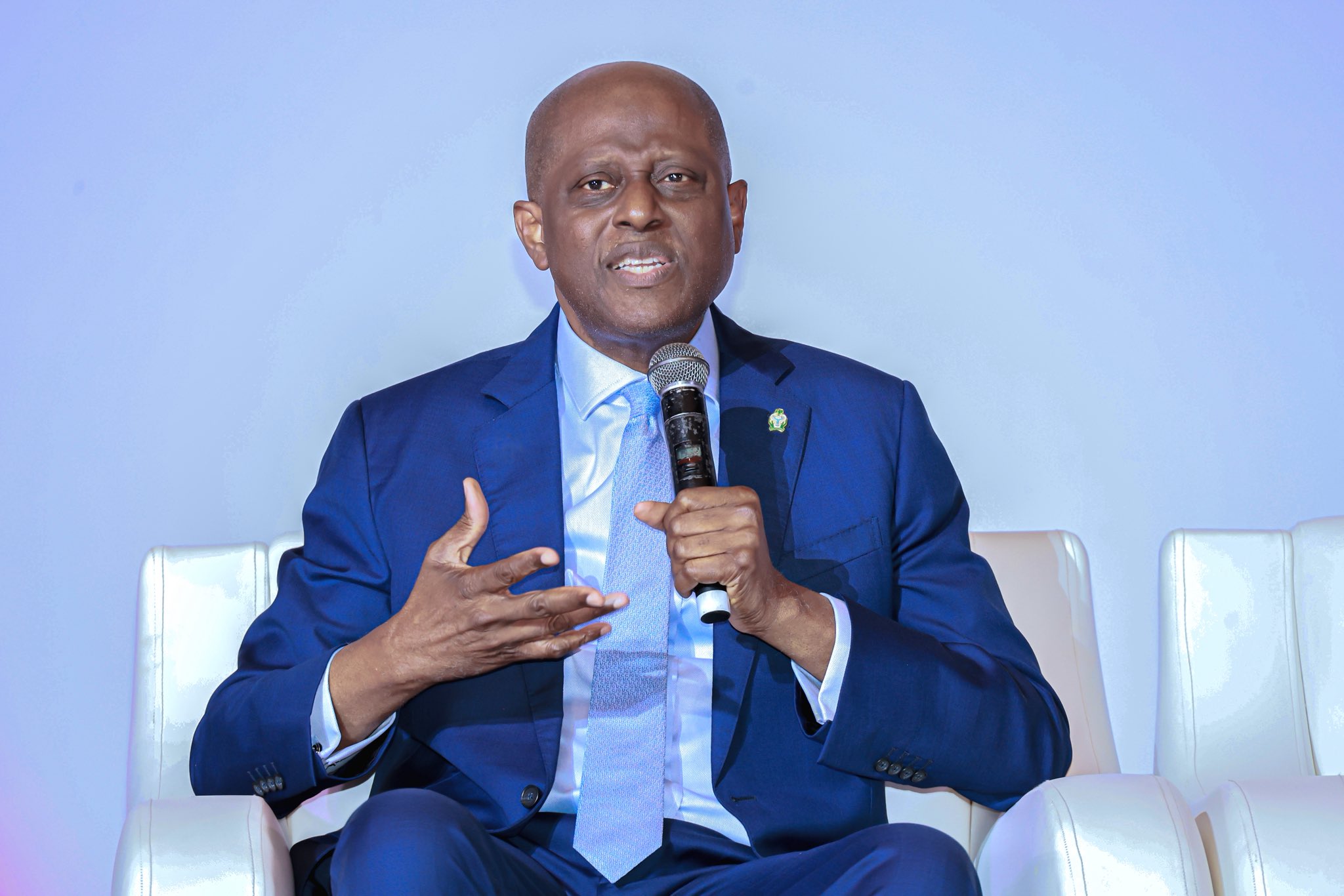
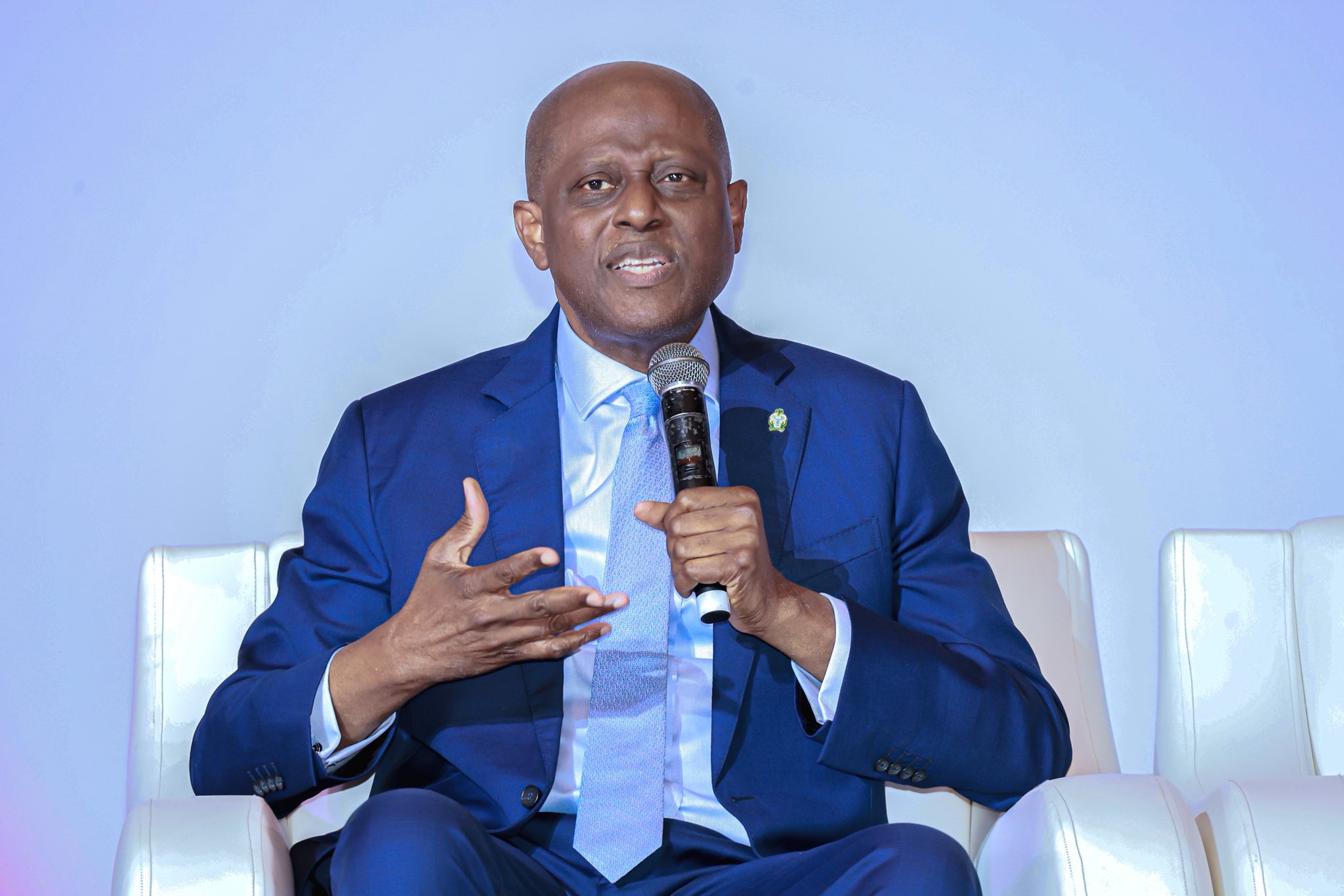
Governor of the Central Bank of Nigeria, Olayemi Cardoso, explained how the Bank's decision-making process, openness, and communication have made Nigeria's monetary policy more credible.
Cardoso spoke at an International Monetary Fund seminar in Bangkok on Thursday. He shared how the CBN includes independent experts in its Monetary Policy Committee, manages different views, and clearly communicates decisions to financial markets and the public.
The seminar, titled How Central Banks Decide: Committee Decision-Making and Communication in an Era of Uncertainty, featured Cardoso alongside Martin Schlegel, the Chairman of the Swiss National Bank, and Emmanuel Moulin, the Governor of the Banque de France and a member of the European Central Bank's Governing Council.
IMF First Deputy Managing Director Dan Katz moderated the discussion. They talked about how central banks balance thorough internal discussions with clear decisions, keep their policies credible, and communicate well during economic uncertainty.
Cardoso noted that the CBN improved its MPC framework by giving external members technical support, chances to talk with experts outside the Bank, and regular meetings with international central banking professionals.
These arrangements include retreats and broader stakeholder engagements that allow members to see different economic views beyond the usual MPC meetings.
External members are also included early in Nigeria's move towards inflation targeting, with support from IMF technical assistance. This ensures they have access to the information that shapes policy development.
Cardoso stressed that these actions reflect the CBN's commitment to making monetary policy decisions that are credible, open, and well-informed.
He also pointed out that the Bank publishes individual MPC members' policy statements. This gives more insight into why they hold certain views.
Cardoso mentioned that he reviews every statement, including differing views, to understand members' assessments and guide future discussions.
On managing committee debates, he explained that the chairman's job is to find common ground before tackling disagreements and moving to a vote.
"What are the things we all agree on? That should be number one. What are the things we don’t really agree on? And then number three, of course, is to vote," he said.
Cardoso said this method stops discussions from getting lost in small disagreements while keeping members focused on important policy questions.
The international exchange highlighted different ways central banks govern and communicate.
Schlegel talked about the Swiss National Bank's consensus model. Here, board members weigh the pros and cons of different policy options before reaching a joint position. The bank does not publicly share individual voting positions, which he said helps maintain policy coherence and shields members from outside pressure.
Moulin spoke about how the European Central Bank has become more inclusive under President Christine Lagarde. He emphasized the need for shared information, building consensus, and having a clear policy framework. He also pointed out that explaining monetary policy decisions in simple terms is important for families, especially regarding prices, jobs, and borrowing costs.
Cardoso showed how Nigeria's approach works practically by discussing the September MPC meeting. Members began discussions amid uncertainty but agreed that issues in monetary policy transmission needed fixing.
This shared understanding helped guide the committee's discussions, resulting in a 350-basis-point drop in the benchmark interest rate from 26.5% to 23%.
Cardoso explained that this decision reflected Nigeria's specific economic situation, including a unique inflation cycle influenced by foreign-exchange harmonization and subsidy reforms, better macroeconomic conditions, and changes to the monetary policy framework.
Even though the adjustment surprised financial markets, he said earlier reforms and careful communication helped investors grasp the reasons behind it.
"To do such a thing successfully, you must have an element of credibility with the market," Cardoso said.
He noted that the press conference after the MPC meeting placed the decision in the context of Nigeria's economic reforms, detailing the progress made and conditions that supported the adjustment.
Katz observed that markets accepted the decision without major disruptions, calling the response proof of the clarity and credibility built through CBN communications.
The panel also talked about the increasing role of artificial intelligence in analyzing central bank statements. Schlegel stressed the need for precise language from institutions. Katz shared how the IMF uses AI tools to analyze monetary policy communications.
Schlegel warned that AI-generated interpretations are still just opinions, not the final say on policymakers' intentions.
To close the session, Katz mentioned that while central banks have different governance structures, good monetary policy decision-making needs open discussions, varied viewpoints, strong leadership, and clear communication.
Cardoso's input showed how Nigeria aligns with these principles, involving external MPC members, transparent individual assessments, and structured discussions with a clear explanation of the committee's decisions.
The discussion highlighted how good governance and communication together support credible monetary policy, especially when central banks must make important decisions in uncertain times.


Drop your comment
No comments yet — be the first to drop the gist 👇