
The Child Protection Network Nigeria has reported receiving at least 36 cases of child abuse in just a few months. These cases include physical abuse, neglect, child trafficking, sexual abuse, and illegal adoption.
Olakunle Sanni, the National Coordinator of the organization, shared this information on Thursday in Abuja during a press conference about the state of children in Nigeria. He called for immediate national action to improve child protection and help vulnerable children.
Sanni explained that the cases reported by the Child Protection Network reflect serious issues facing children across Nigeria. These issues include sexual abuse, trafficking, abduction, physical violence, neglect, poverty, homelessness, hunger, lack of education, and poor healthcare.
He acknowledged that the Federal, state, and local governments have made efforts in areas like education, healthcare, school feeding, social protection, child protection, anti-trafficking actions, and school safety. Despite this, millions of children are still at great risk.
"These challenges are connected and need a united national response," he said.
Sanni described sexual abuse as one of the most troubling violations against children. He pointed out that children face abuse in homes, schools, religious institutions, and other places where they should be safe.
He expressed worry about the silence around child abuse, stressing that families, institutions, and powerful individuals should not protect offenders.
The coordinator called for stricter enforcement of child protection laws, faster investigations, and prosecution of offenders. He also requested better access to medical, legal, and psychological support for survivors.
He condemned physical abuse, which includes beating, torture, burning, chaining, and other harmful treatment of children. Sanni urged parents, teachers, and caregivers to use positive, non-violent methods of discipline.
On child trafficking, Sanni said children are still at risk of domestic servitude, sexual exploitation, forced labor, street begging, illegal recruitment, and exploitative family placements.
He noted that irregular migration puts children in danger of trafficking, violence, sexual exploitation, detention, disappearance, and even death.
Sanni urged the government to improve border security, family tracing, documentation, public awareness, and reintegration programs. He also called for safe alternatives for vulnerable families.
He pointed out that child abduction, especially from schools and conflict-affected areas, is a major threat to children in Nigeria.
"A school should be a place of learning and safety, not somewhere children fear being kidnapped," he said.
While he praised the government and security agencies for their efforts to protect schools and rescue abducted children, he called for better intelligence gathering, early warning systems, community involvement, quick responses, and enhanced security around vulnerable schools.
Sanni stated that every abducted child must remain a national priority until they are safely returned to their families or placed in proper protective care.
Regarding child adoption, Sanni said it can be a legitimate child protection method when done legally and in the child's best interest. But he raised concerns about its misuse as a way for trafficking, exploitation, and illegal transfer of children.
He also condemned the alleged involvement of some orphanages and homes for abandoned children in such practices.
Sanni referred to the recent closure of Divine Hope Orphanage and Less Privileged Home in Kagini, near Kubwa, by the FCT Women Affairs Secretariat and the Nigeria Police Force for alleged illegal operations and child trafficking.
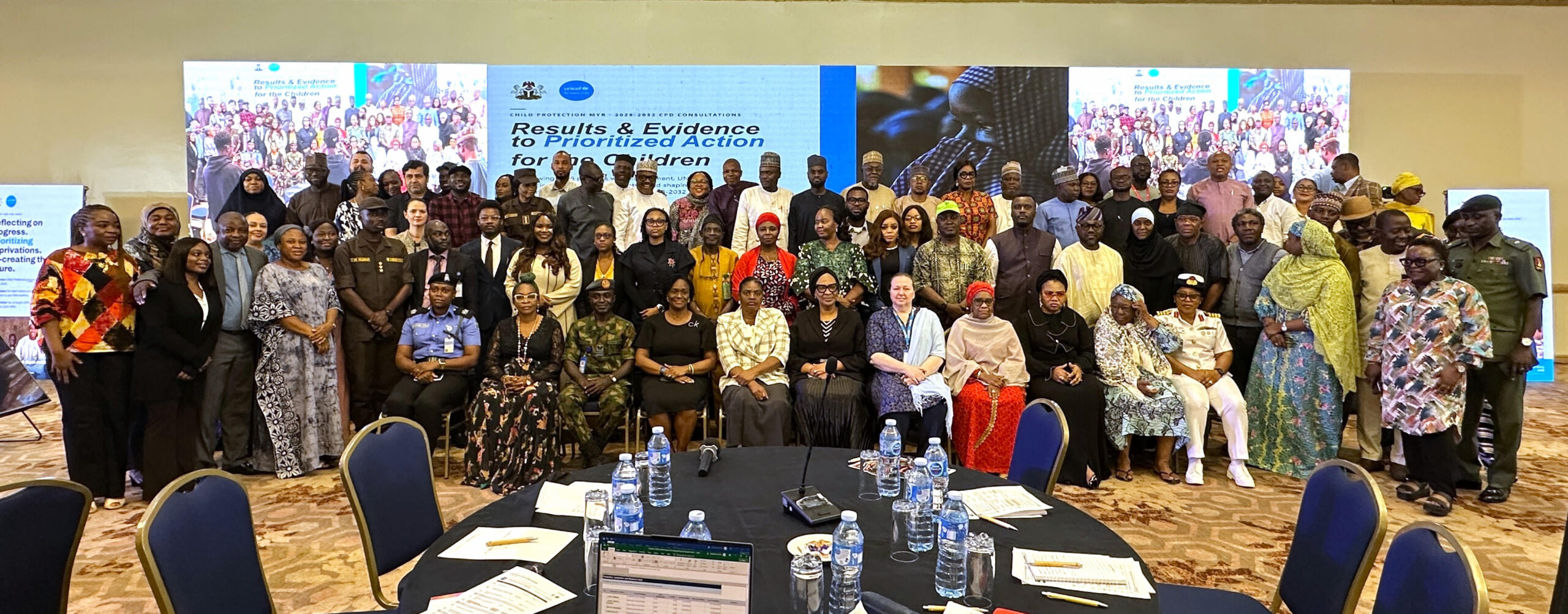
He stated that this home was accused of taking children from Benue and Nasarawa and putting them up for adoption without following the proper procedures.
Sanni mentioned that the organization is also watching an ongoing court case involving lawyer Timipre Wolo and US-based Pastor Godstime Pender concerning the custody and adoption of a child.
He said documents available to the public raised questions about the adoption process, including issues with the residence of the prospective foster parents, documentation, and compliance with the Abia State Child Rights Law.
He emphasized that the organization would not take sides in the case, stressing that their main focus is the child's welfare.
"Our concern is the child," he said.
Sanni urged all parties involved to protect the child from media attention, online disputes, emotional pressure, and unnecessary exposure.
"The legal fight is between adults; the child must not become the battlefield," he said.
He asked the court and child protection authorities to ensure that every decision made is in the child's best interest, safety, stability, and dignity.
On street-connected children, often called Osanle, omo-ita, and Almajiri, Sanni urged the government to adopt a better approach instead of treating these children as criminals.
"These are children, not criminals," he said.
He linked street-connectedness to issues like poverty, family breakdown, displacement, abuse, neglect, and lack of education and basic services.
He called for safe housing, education, vocational training, counseling, healthcare, family tracing, rehabilitation, and sustainable reintegration for these children.
Sanni also pushed for a better approach to the Almajiri issue through education, nutrition, child protection, skills development, and family support.
He recognized government efforts through school feeding and social protection programs but said these must be clear, well-funded, monitored, and expanded to reach the most vulnerable children.
He called for improved pediatric healthcare, better emergency response, and well-equipped primary healthcare centers, insisting that no child should die because their family cannot afford treatment or because a health facility lacks basic supplies.
Sanni said protecting children in Nigeria requires the cooperation of the government, parents, communities, traditional and religious leaders, schools, security agencies, civil society groups, the private sector, and the media.
"The Nigerian child must not be an afterthought in Nigeria's development agenda. Protecting the Nigerian child is not charity. It is a national responsibility," Sanni said.
The organization promised to work with the government and other stakeholders to ensure that Nigerian children can live, learn, grow, and thrive in safety and dignity.

Drop your comment
No comments yet — be the first to drop the gist 👇