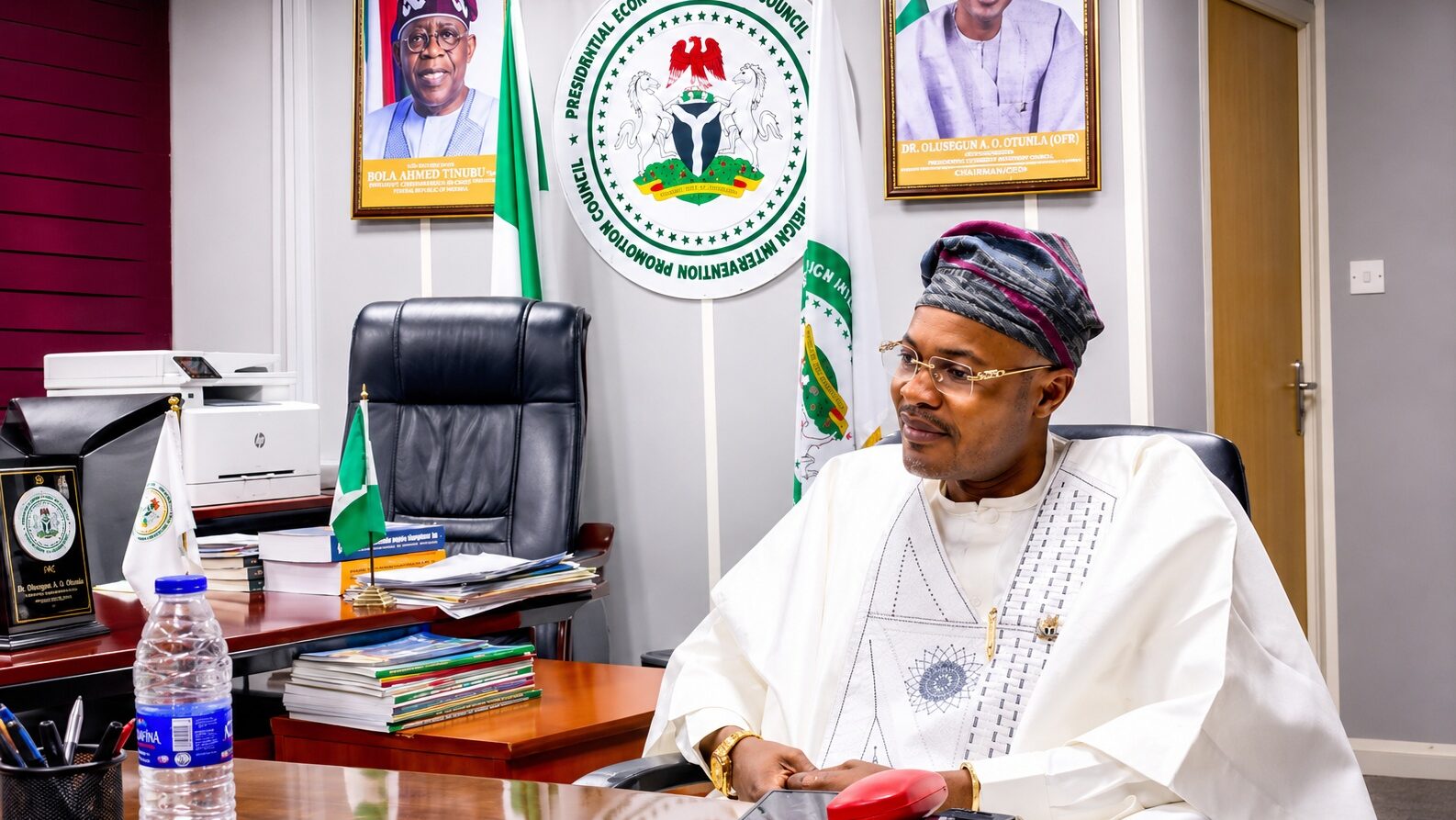
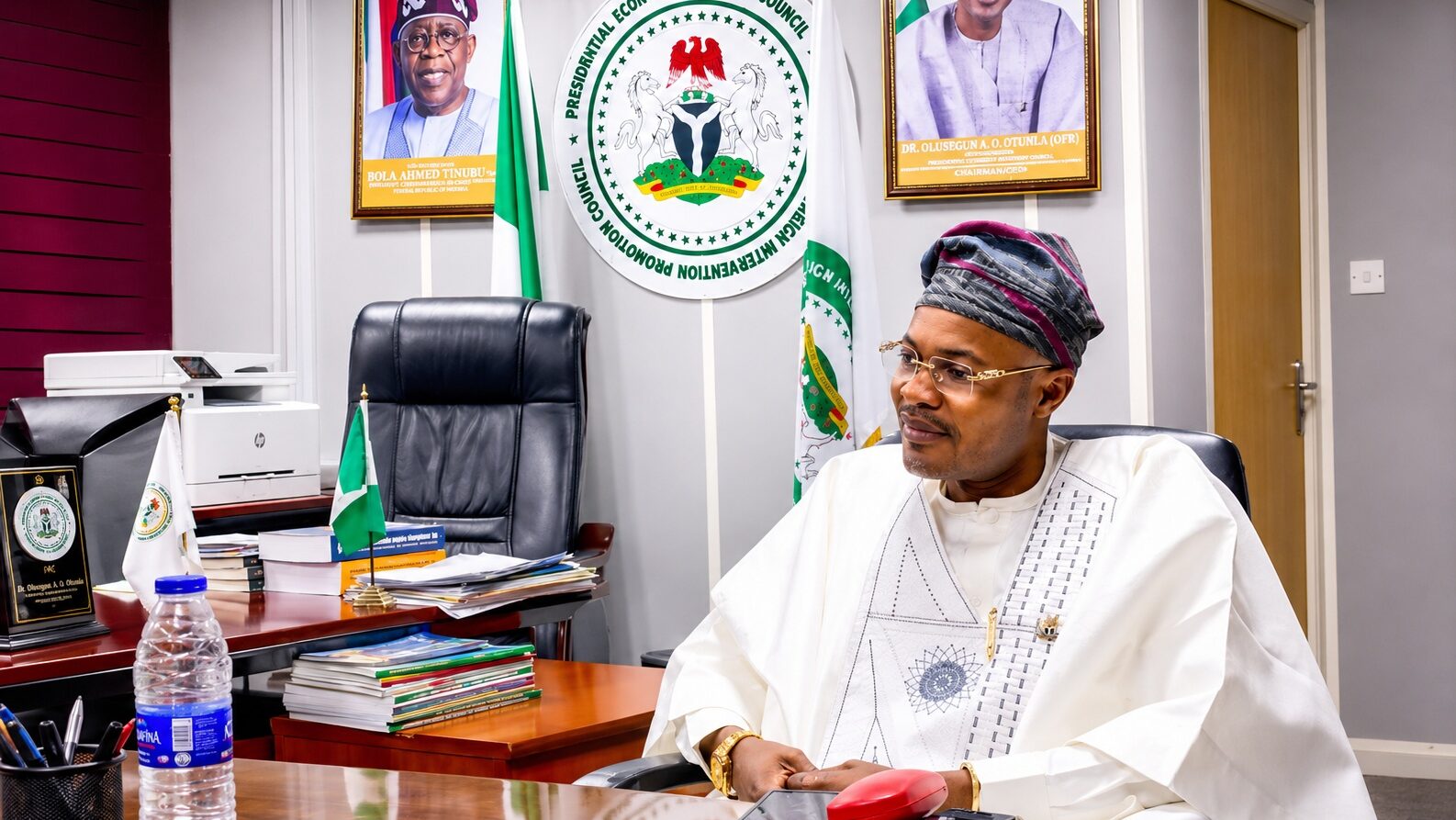
The Independent Corrupt Practices and Other Related Offences Commission (ICPC) has found that some civil servants allegedly assisted Adeniyi Adeyemi, the director-general of the now-disowned Presidential Foreign Intervention Promotion Council (PFIPC), in getting government approvals and accessing official financial and administrative systems.
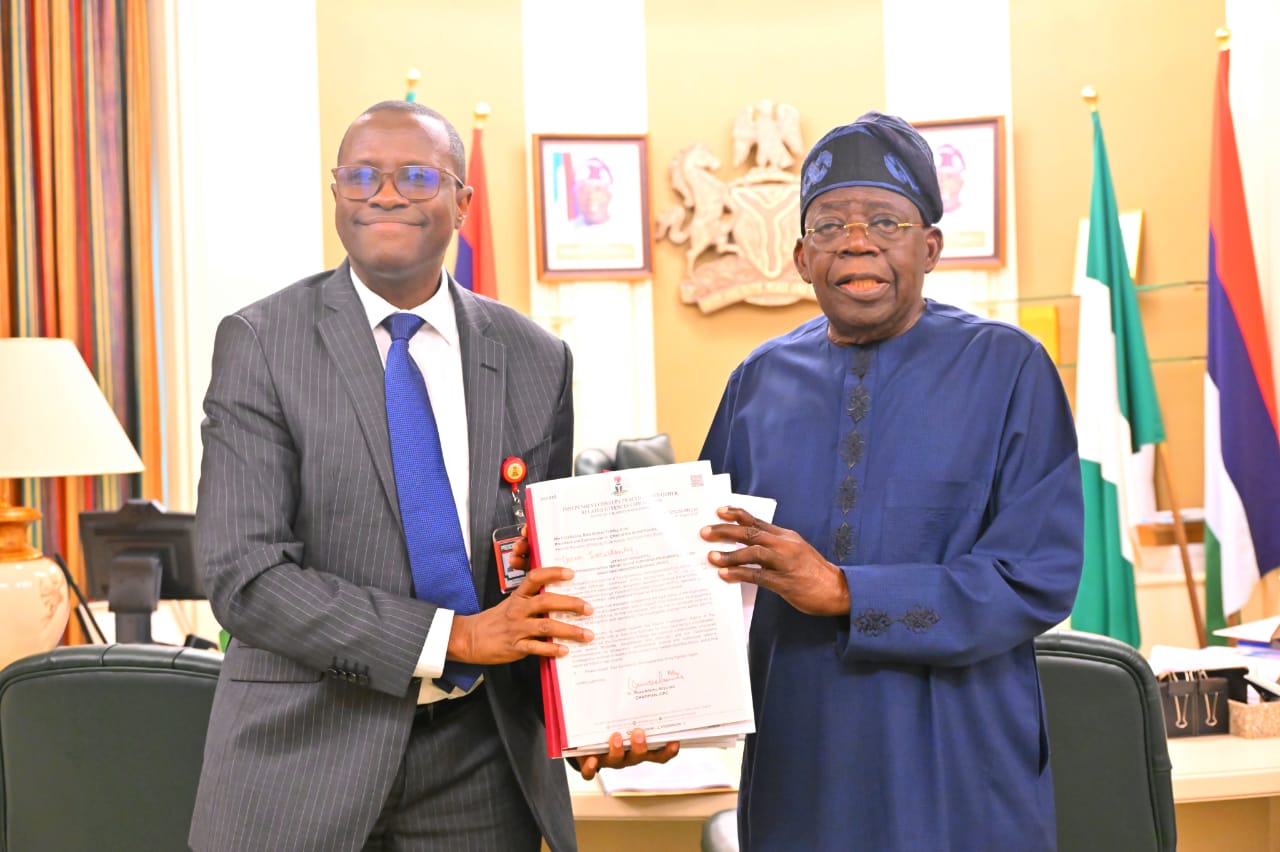
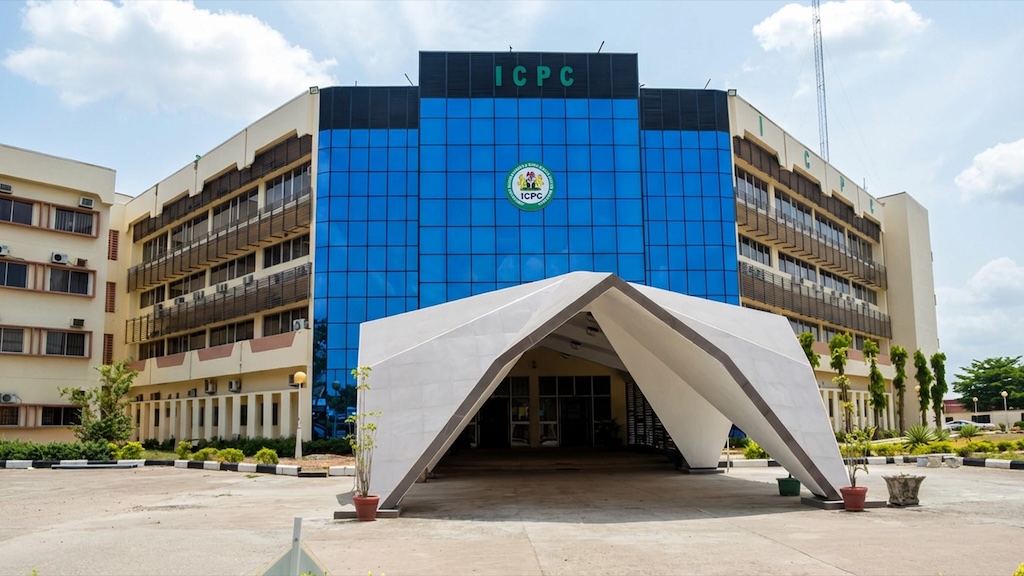
These findings are in the ICPC's interim investigation report on the PFIPC case. President Bola Tinubu ordered the investigation after the presidency disowned both the organisation and Mr Adeyemi.
The investigation shows that the so-called agency's ability to infiltrate government systems went beyond the forged documents allegedly provided by Mr Adeyemi. It also relied on the actions of officials in various government institutions who processed its requests and granted approvals despite missing necessary procedures.
According to the ICPC, Mr Adeyemi started seeking formal recognition within government structures in November 2024. He approached the Office of the Accountant-General of the Federation (OAGF) for an administrative code, self-accounting status, and permission to open accounts with the Central Bank of Nigeria (CBN).
He backed his applications with what he claimed were official documents, including an appointment letter, an establishment instrument, and a letter on State House letterhead allegedly signed by one Akanbi Adewale.
Investigators discovered that Akanbi Adewale did not exist. A forensic examination also revealed that the letter attributed to him was actually signed by Mr Adeyemi.
Despite these irregularities, the documents were used to process the applications.
On 27 May 2025, the OAGF granted the organisation self-accounting status and assigned it the administrative code 0111062001, along with authorised establishment and recruitment waiver arrangements.
These approvals allowed the purported PFIPC to secure a spot in the 2026 federal budget and access government financial systems.
The OAGF also created a Government Integrated Financial Management Information System (GIFMIS) platform and a Sub-Treasury Account for the organisation.
At the request of the PFIPC, the OAGF also instructed the CBN to create two domiciliary accounts.
The CBN later informed the House of Representatives that the accounts were never activated because the alleged agency did not provide the necessary authorised signatories.
PREMIUM TIMES had reported earlier how Mr Adeyemi’s supposed agency infiltrated several layers of government without any legal basis for its existence. Correspondence from the organisation was treated as genuine by government institutions, which helped it secure an office at the Federal Secretariat, budgetary recognition, and access to government financial systems.
Civil Servants Helped with Recruitment Waiver
The ICPC investigation looked into the roles of three civil servants in getting an authorised establishment and recruitment waiver for the PFIPC. They are Rose Achem, a senior administrative officer to the director-general of the Budget Office of the Federation; Patricia Akhigbe, an assistant director in the Ministry of Budget and Economic Planning; and Mimi Abu, the director of organisation design and development at the Office of the Head of the Civil Service of the Federation (OHCSF).
According to the ICPC, Ms Achem introduced Ms Akhigbe to Ms Abu as the head of human resources of the PFIPC, even though Ms Akhigbe worked as an assistant director in the Ministry of Budget and Economic Planning.
Investigators said this introduction was made to help the alleged council’s application for the authorised establishment and recruitment waiver.
The ICPC found that Ms Achem, Ms Akhigbe, and Ms Abu later facilitated the approvals through the OHCSF.
The investigation also discovered that Mr Adeyemi paid Ms Akhigbe N500,000 during Easter in 2025. This payment was described as a “thank you for your support.”
The authorised establishment was granted on the same day the three officials met, according to the ICPC.
Investigators found no proof that the PFIPC had formally applied for an authorised establishment and recruitment waiver. Instead, Ms Abu, Ms Achem, and Ms Akhigbe went ahead with the approvals outside the proper process.
When investigators asked for the relevant file from the OHCSF, the office reportedly claimed it was missing.
Forged Documents Presented to Officials
The ICPC also looked into Ms Abu’s role since her department handles authorised establishment, manpower requirements, and recruitment waivers for federal organisations.
The commission noted that Ms Abu supervises four units responsible for establishment and workforce planning, organisation design, job design and development, and rules and regulations.
Normally, newly established government organisations seeking authorisation must submit documents showing their mandate and establishment instruments, along with the appointment letter of the head of the organisation.
The investigation revealed that Ms Achem and Ms Akhigbe met with Ms Abu for the PFIPC and presented what investigators called forged establishment instruments and a forged appointment letter for Mr Adeyemi.
Ms Abu reportedly described the disputed appointment letter, allegedly issued by the Chief of Staff to the President, as an “aberration.” She stated she could not remember any other government organisation presenting an appointment letter signed by the Chief of Staff.
When the PFIPC could not upload the necessary documents through the OHCSF portal, its representatives submitted physical copies of the controversial appointment letter and the organisation’s supposed enabling instruments.
The ICPC also found that while the PFIPC requested staff deployment in a letter dated 9 May 2025, the OHCSF never approved or carried out any deployment. Evidence from the Enterprise Content Management System showed that no officers were deployed to the PFIPC by the OHCSF.
How Adeyemi Secured an Office at the Federal Secretariat
The ICPC also looked into the role of Aminu Abdullahi, the official in charge of office allocation within the Office of the Secretary to the Government of the Federation (OSGF).
Mr Abdullahi coordinated the allocation of offices to political appointees within the OSGF. Requests for office allocation go to the Secretary to the Government of the Federation, then processed through the Permanent Secretary, General Services Office, and finally referred to the Director, General Services, for action.
According to the investigation, Mr Abdullahi was introduced to Mr Adeyemi in March 2025 by Ibrahim Abdulkadir, a deputy director in General Services.
The introduction aimed to assist Mr Adeyemi in getting office space at the Federal Secretariat after a previous request made on behalf of the PFIPC to the Economic and Financial Crimes Commission (EFCC) did not yield results.
The ICPC found that Mr Abdullahi allocated offices that were previously used by the former Chief Economic Adviser to the President, Doyin Salami, at the Federal Secretariat Phase III for temporary use by the PFIPC without written approval.
Only two keys were available for the allocated offices. The investigation showed that Mr Abdullahi broke the locks on the other doors to give Mr Adeyemi access to the additional office spaces.
The financial trail also raised concerns.
An analysis of Mr Abdullahi’s bank statement indicated that he received N3.25 million from Mr Adeyemi in three payments between March and November 2025, according to the ICPC.
PREMIUM TIMES had reported earlier that Mr Adeyemi operated the alleged agency from the second floor of the Federal Secretariat Complex in Abuja.
Records reviewed by this newspaper also showed that the OSGF and OAGF processed requests from the organisation as if it were a real government institution.
Another Fake Agency Discovered
The discovery of the alleged PFIPC led investigators to find another suspected fake agency, the National Brands Development and Made in Nigeria Special Project Office, which supposedly operated within the OSGF.
On Friday, President Bola Tinubu ordered the suspension of three permanent secretaries and the arrest of the agency’s alleged promoter, George Buchi Nwabueze.
ICPC Chairman Musa Aliyu said investigators also found that Mr Nwabueze used several name variations and that there were suspected collaborators within the OSGF.
The commission stated that forged legislative instruments were allegedly used to give these entities a false appearance of legitimacy and to open bank accounts in their names.
The emergence of another alleged agency within a federal government office has deepened the scandal beyond the PFIPC and raised new questions about weaknesses in the verification and oversight systems that allow people and organisations to present themselves as legitimate government entities.
Weak Verification Systems Allowed Fake Agencies
The ICPC investigation found weaknesses in current civil service procedures that enabled the alleged organisation to get official approvals.
The commission stated that the OHCSF’s standard operating procedure did not adequately require new federal institutions to submit the necessary establishment documents. It also found that there were not enough mechanisms for vetting and verifying documents submitted by such organisations.
The self-accounting status granted by the OAGF was especially significant because it allowed the alleged council to operate within government financial reporting systems and became an important document in its dealings with other government institutions, according to the ICPC.
These findings show how Mr Adeyemi’s alleged agency moved from one government institution to another, getting official responses and administrative recognition despite lacking a legal basis for its formation.
PREMIUM TIMES had reported that the alleged agency secured office space at the Federal Secretariat, accessed CBN accounts, and interacted with government officials who thought they were dealing with a legitimate federal institution.
The newspaper also noted that the agency was listed in the 2026 Appropriation Act with a N1.3 billion allocation, although Mr Adeyemi later denied preparing the budget.
Mr Adeyemi has denied any wrongdoing and insists that his appointment was legitimate. He is facing an eight-count charge related to forgery, impersonation, and other offences.
The presidency has confirmed that neither the PFIPC nor Mr Adeyemi received official recognition under the Tinubu administration.
The ICPC recommended administrative action against Ms Abu, Ms Achem, Ms Akhigbe, and Mr Abdullahi.


Drop your comment
No comments yet — be the first to drop the gist 👇