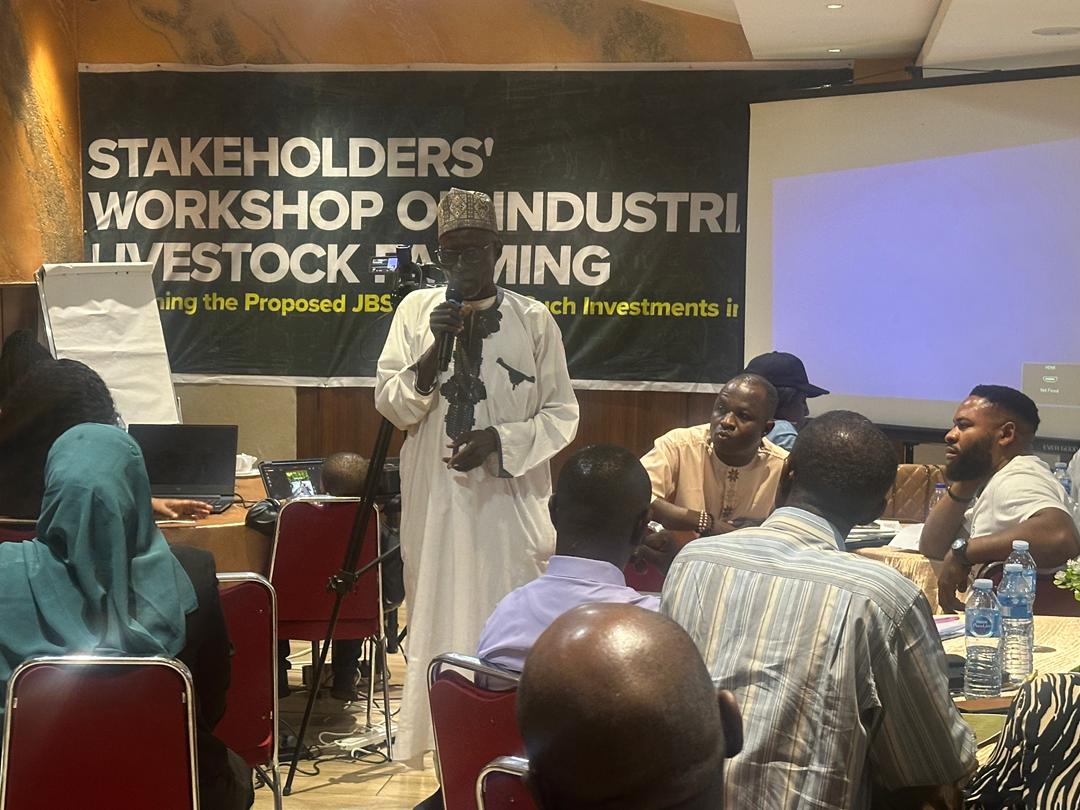
Civil society groups and environmental activists in Nigeria are questioning the $2.5 billion investment plan by JBS, the largest meat-processing company in the world, in the country.
The groups worry that if the investment is not closely monitored and controlled, it could harm land, water, local jobs, smallholder farmers, and the environment.
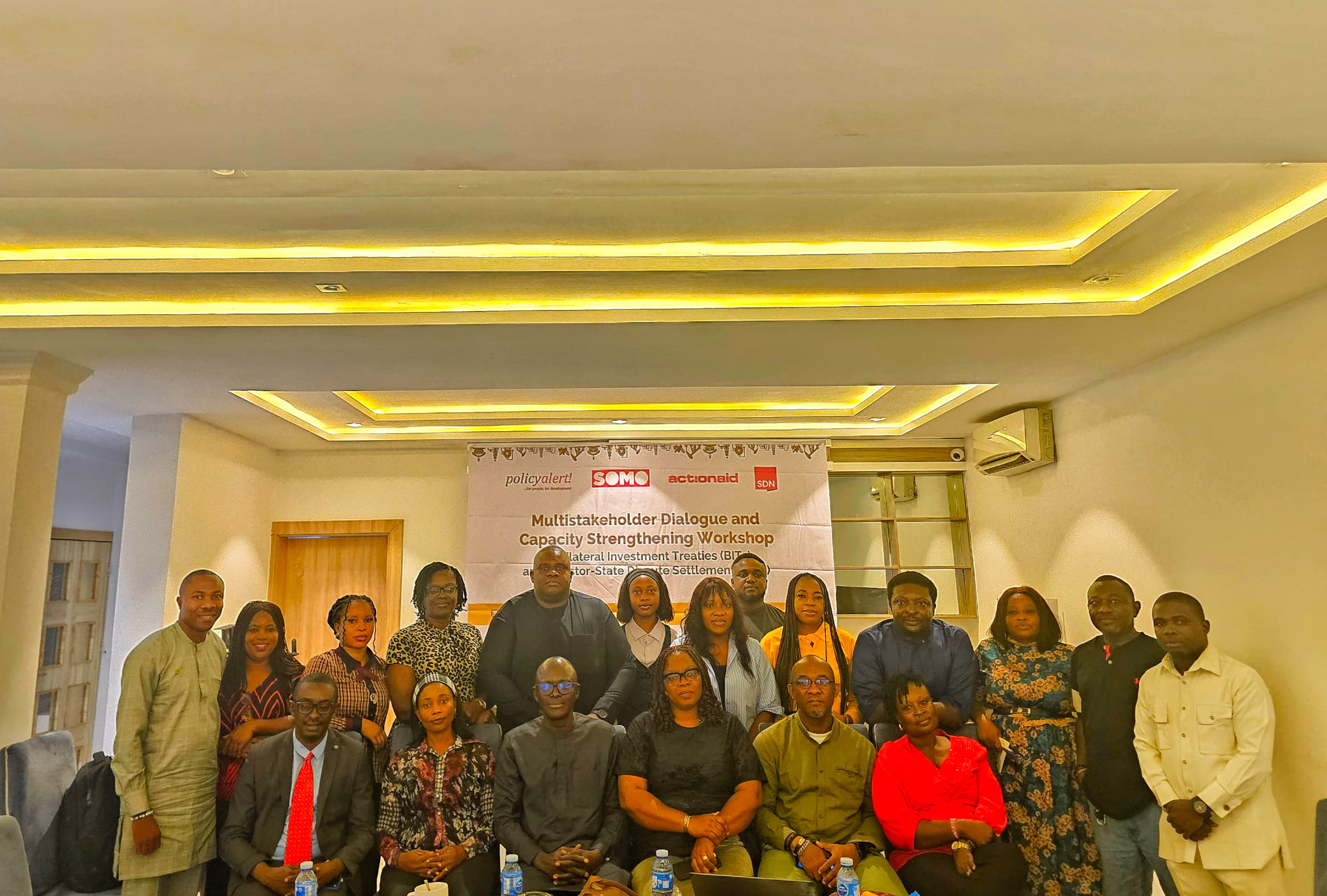
These concerns were shared at a meeting in Abuja on Wednesday. The event was organized by the Health of Mother Earth Foundation (HOMEF) along with Environmental Rights Action (ERA) and the HEDA Resource Centre.
The two-day meeting wrapped up on Thursday. Discussions focused on JBS' investment plans and the impact of large-scale livestock farming in Nigeria.
After the discussions, the groups held a peaceful protest at the Federal Secretariat in Abuja. They also submitted a petition regarding the JBS investment to the Ministry of Livestock Development.
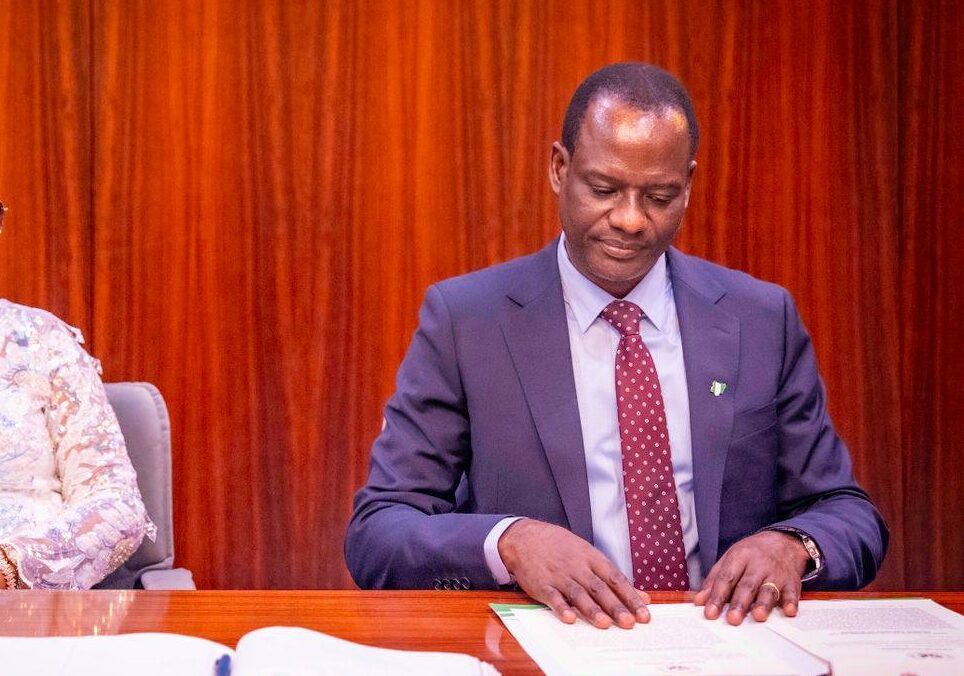
In November 2024, JBS announced it signed a memorandum of understanding (MoU) with the Nigerian government. The aim is to invest in food security and create sustainable supply chains in Nigeria.
Gilberto Tomazoni, JBS Global CEO, stated, "Our goal is to establish a strong partnership and support Nigeria in addressing food insecurity. Our experience in regions where we operate worldwide shows that developing a sustainable food production chain creates a ‘virtuous’ cycle of socio-economic progress, particularly for vulnerable populations."
According to the agreement, JBS will create a five-year investment plan. This plan will include feasibility studies, project designs, budget estimates, and a development action plan.
The Nigerian government will ensure necessary economic, sanitary, and regulatory conditions for the project.
The agreement outlines plans for six plants: three for poultry, two for beef, and one for pork. This requires an investment of $2.5 billion.
JBS claims that this investment will boost domestic protein production, lower imports, create jobs, and aid millions of small farmers.
As per the investment announcement, protein production in Nigeria makes up about 10 percent of GDP and meets roughly 40 percent of domestic demand.
Yet, environmental and civil groups argue that there is not enough public information about the project. They are particularly concerned about how much land JBS will use and the potential social and environmental impacts.
Officials in Niger State have reportedly said they could provide about 1.2 million hectares of land for the project, almost three million acres.
Still, the specifics of the land allocation and investment terms are not clear.
PREMIUM TIMES had asked the Special Assistant to the Minister of Livestock Development for project details, but there was no response by the time this report was filed.
In an interview with PREMIUM TIMES, Mariann Bassey, Deputy Executive Director of Environmental Rights Action, noted that the groups are not against foreign investment. They want to ensure that such investments do not harm local communities or the environment.
She mentioned that civil society organizations have repeatedly asked to see the JBS MoU but have not received it.
"We are not anti-investment. We want investments that will not negatively impact our people, the environment, and generations to come," Ms Bassey said.
She expressed concern about JBS’ environmental record in other countries and urged the Nigerian government to thoroughly examine the project before it begins.
"We don’t want them to come here and repeat the experiences we have had with companies like Shell. They come, promise heaven, and then leave communities devastated," she said.
Mrs Bassey questioned whether environmental impact assessments had been completed and how issues of land, water, pollution, and waste management would be handled.
"If they come, they will need a lot of land for these plants. Have they done an assessment? What about water? What about pollution and contamination?" she asked.
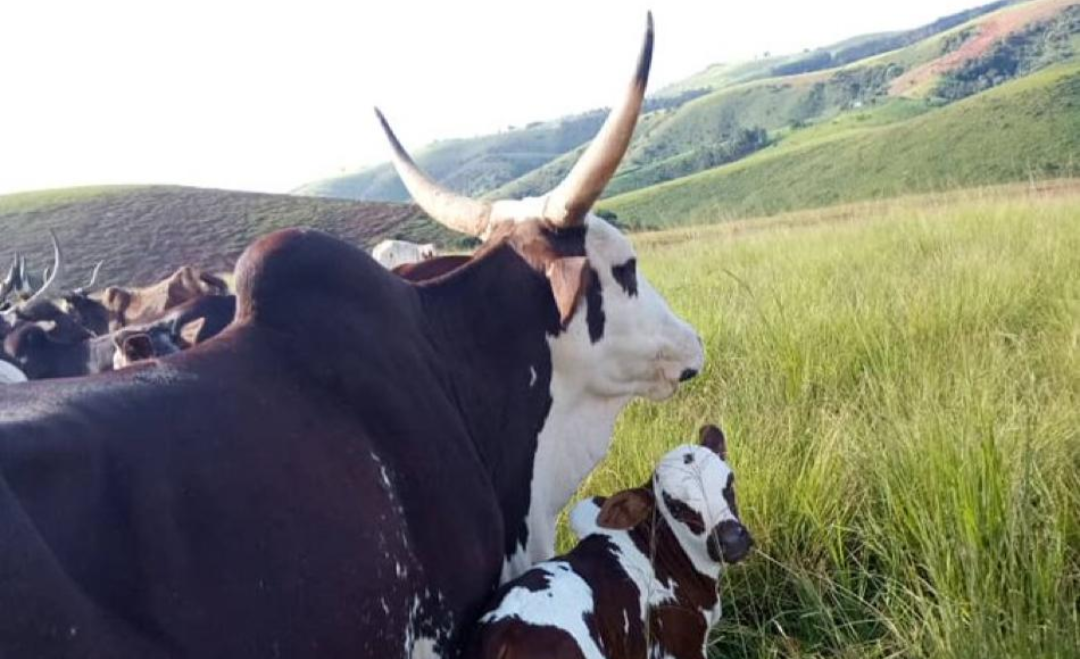
She also raised concerns about how the investment would affect pastoralists, livestock farmers, and local breeds.
"Are they going to bring in their cattle, or are they going to source cattle locally? Are they going to use indigenous cattle?" she asked. She added that imported livestock could also lead to disease risks.
Mrs Bassey said the size of the investment also raises issues related to market control.
"We need disclosure. We need to be protected. We don’t want a concentration of power. Are they going to have a monopoly over the poultry, beef, and pork industries?" she asked.
She emphasized that the government must prioritize the people's interests and ensure that JBS is transparent and accountable.
"We are not anti-investment. We are pro-people. We say that it is people first, rules for business, people over profit."
Joyce Brown, another participant at the meeting, expressed concerns about the lack of preparation for such a major investment.
"There are a number of concerns, but the major one is that we don’t see adequate preparation for this investment, considering its scale," she said.
Mrs Brown noted that the project would need large areas of land and significant water resources, which could seriously affect local economies, especially small livestock producers.
She called for an assessment involving all relevant ministries and government agencies that could be impacted by the project.
"For example, an MoU has been signed by the Ministry of Livestock Development. Is the Ministry of Environment involved? Have they had the chance to conduct their own assessment of the proposal from JBS?" she asked.
She also wondered if the ministries of Health and Industry, Trade and Investment, along with relevant conservation agencies, had been consulted.
Mrs Brown insisted that all investment proposals, no matter their size or origin, should be carefully examined.
"Investments like this, especially industrial-scale farming, have effects on waste management, land use, and public health," she said.
She also voiced concerns about JBS’ history in other countries, especially Brazil, where the company began.
"There have been reports of tax evasion, loss of livelihoods among local communities where JBS operates, and worries about carbon emissions from its large operations," she said.
According to her, the secrecy around the Nigerian investment is alarming.
"Why is the MoU not public?" she asked.
Mrs Brown urged the government to publish the MoU and other agreements about the investment. She also called for environmental, social, and economic impact assessments.
"We need the MoU to be made public now because if it is released after JBS is already operating in Nigeria, it will be very difficult to address any issues that arise," she said.
She also stressed the need for the National Assembly and relevant ministries and agencies to be involved in assessing the project and creating safeguards.
"Communities should not suffer because of an investment that does not benefit them," she said.
Mayowa Shobo from the HEDA Resource Centre said his organization became interested in the JBS project because of the company’s poor environmental and human rights record elsewhere.
He noted that HEDA's research found significant information gaps regarding the proposed investment in Nigeria.
"Our research was able to uncover that there are still significant gaps in information about exactly what this investment will bring," Mr Shobo said.
He mentioned that communities, livestock farmers, and other stakeholders prefer a cooperative model that allows them to participate in meat production and distribution, instead of one company controlling everything.
"When you disrupt the existing supply chain, it affects communities directly and impacts businesses and other stakeholders," he said.
He pointed out that there are still insufficient protections for people whose land might be taken for the project.
"What exactly is the arrangement for them? What is the grievance mechanism? What is the compensation framework?" he asked.
Mr Shobo added that promises of jobs and financial support from state governments are not enough without clear plans.
He warned that local businesses might struggle because of JBS' access to money and ability to operate at a larger scale.
"JBS has almost unlimited access to capital and can operate at a scale that these local companies may not be able to match," he said.
Some local businesses could be forced to join the JBS supply chain or risk being pushed out.
When asked for his recommendation, Mr Shobo said, "Investments should lead to food-system transformation, not the displacement of lives, livelihoods, and businesses."
He urged the government to use the investment to improve livestock infrastructure and strengthen farmers and state institutions.
"If this investment goes into developing infrastructure and building the capacity of farmers and state institutions to improve the livestock sector, then it is welcome."
He added, "But if it is just an investment model that brings in money and takes up large tracts of land while displacing existing livelihoods and businesses, then it is unacceptable."
Abdulraheem Saba, Chairman of the National Sheep and Goat Association of Nigeria, Niger State Chapter, shared that local livestock farmers have little information about the JBS investment.
"I am only hearing from the news that JBS is coming with a major investment in livestock production in Niger State. That’s all I can say," he said.
Mr Saba expressed concern about the investment's implementation and its impact on local livelihoods.
"Wherever they want to set up the facilities, there are existing livelihoods that might be displaced or replaced by the project. What happens afterwards to the affected communities? We don’t know," he said.
He urged the Niger State Government to inform the public widely before the project begins.
"Since it is a program that the government is clearly interested in, it should explain the aims and objectives of the project and how it is meant to benefit the community," he said.
Mr Saba mentioned that some of the proposed facilities might be located in Tawa and some grazing-reserve areas, but he had no official information about exact locations.
He warned that poor public communication could lead to rumors and hurt public support for the investment.
Mr Saba also called for investment in livestock infrastructure and funding for small-scale farmers.
He said insecurity has made it hard for farmers to keep livestock, and high-interest rates limit their access to loans.
"The government needs to allow people to form cooperative societies where farmers can raise their animals safely and trust that their livestock will be protected," he said.
He urged banks to lower lending rates to help farmers grow their businesses.
Mr Saba said livestock farmers would welcome efforts to improve local breeds, including expanding artificial insemination programs for sheep and goats.
"We are looking forward to improvement," he said. "If that happens, Niger State will become a place of opportunity for livestock farmers."
The civil society groups believe that the JBS investment could help Nigeria's food security if designed and executed correctly. They insist that transparency, environmental protections, community involvement, and safeguarding existing livelihoods must be prioritized before the project starts.
Drop your comment
No comments yet — be the first to drop the gist 👇