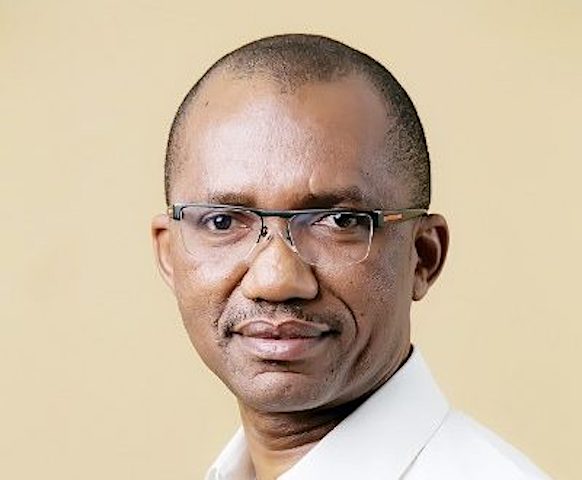
A few months before the 2023 elections, the Emir of Kano, Muhammadu Sanusi, advised voters to turn down any politician promising an easy path. “Anybody who tells you that it is going to be easy,” he said in Kaduna in October 2022, “please, don’t vote for him. It’s either that he’s lying to you, or he does not know what job he’s going to get.”
The issue is that what politicians often do during elections is not talk about what needs to be done. Instead, they say what voters want to hear, no matter how.
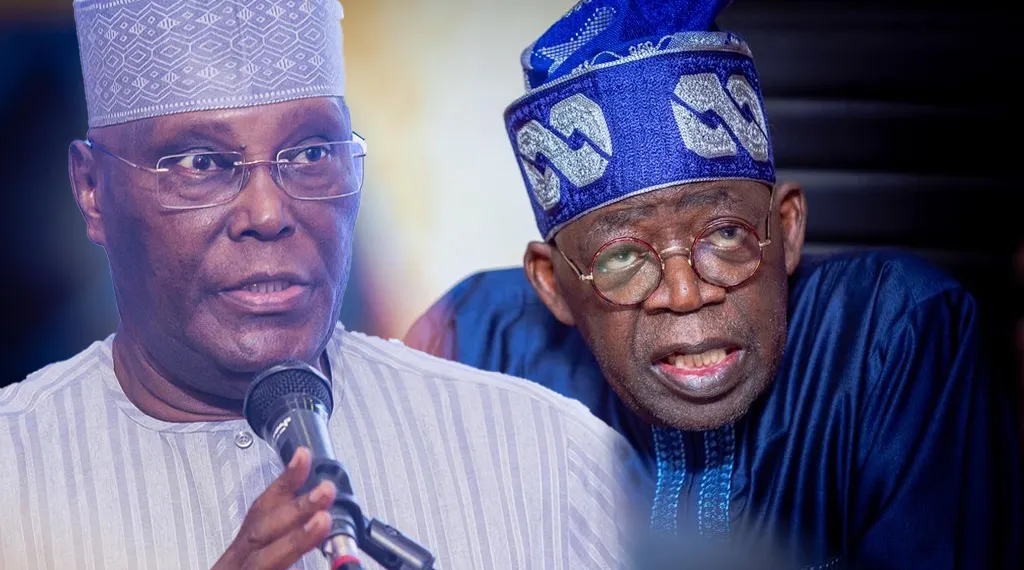
Former Vice President Atiku Abubakar knows how to play the political game. His recent promise to restore fuel subsidy if he becomes president in 2027 shows just how far he is willing to go. His attack on President Bola Ahmed Tinubu has sparked discussions on the campaign trail and made the ruling All Progressives Congress (APC) uneasy. The APC, which has not budged on fuel prices or considered price changes due to rising crude costs from the Persian Gulf crises, is now feeling the heat from Atiku.
For the APC, Atiku’s choice of a popular message at a key campaign time matters. Whether he speaks or gestures, his words connect with voters who are struggling and want relief. It’s a clear example of political opportunism.
But Atiku is not solely to blame for how many Nigerians now see subsidy as their only benefit from political leaders. Most people overlook the corruption tied to the subsidy system. The Tinubu administration has taken the subsidy funds and handed them back to governors who are equally unaccountable. On both sides, people feel like they have lost out.
States and local governments in Nigeria have had plenty of money. According to the Federal Ministry of Finance, allocations to states rose by 94 percent on a monthly basis through December 2025. Local governments saw an 85 percent increase in the same period.
One clear example is Ekiti State, which has the lowest federal allocation among all 36 states. The official FAAC 2023 Annual Report from the Nigeria Governors’ Forum states that Ekiti received about ₦1.73 billion monthly from January to April 2023, just before the subsidy was removed.
After the subsidy was lifted, Ekiti’s share grew to less than ₦2 billion in monthly allocations. Reports from August 2026 on FAAC disbursements show that Ekiti State received ₦13.13 billion in May 2026, the least among all Nigerian states.
This situation reflects what the end of the subsidy could mean if state governments were accountable and focused on improving their people's lives.
In July, President Bola Ahmed Tinubu openly criticized state governors for building bridges instead of roads that connect communities to markets. That’s not exactly how he said it, but it captures the idea.
Still, Tinubu can only complain so much because 31 of the 36 states belong to his party. Voters might judge him based on what the governors from his party do or fail to do.
This doesn’t mean Atiku’s talk about fuel subsidy makes sense. He is just giving voters a remix of an old problem. A study on subsidies by Economist Thomas Sowell in Basic Economics shows there is no such thing as a “guaranteed subsidy.”
Subsidies don’t remove costs. They shift or hide them, but someone always pays. A subsidized product like fuel or bread may seem cheaper, but someone is covering the gap. Atiku's claim that his government would cover costs by selling local crude oil to Nigerian refineries at a lower price is unrealistic and misleading.
First, it is unclear how many local refineries would survive if subsidies returned. The Waltersmith Refinery, the Edo Refinery, the Aradel Refinery, and the Dangote Refinery were all established without subsidies. This current system has benefited the state-owned NNPC by creating opportunities for corruption in import licenses. Bringing back fuel subsidy would hurt local refinery investments and give power back to corrupt practices.
Second, there is no legal backing to reinstate the subsidy. In March 2022, Senate President Ahmad Lawan stated that changes to the Petroleum Industry Act (PIA) would be needed to continue the subsidy, as the law does not allow it.
Several parts of the PIA, especially Section 205(1), make it clear: “Subject to the provisions of this section, wholesale and retail prices of petroleum products shall be based on unrestricted free market pricing conditions.”
Third, while Nigeria’s oil production has grown from about 1.2 million barrels per day to about 1.6 million barrels per day, around 30 percent of this is tied up in forward contracts managed by the NNPC. This limits available supply and explains why the NNPC struggles to meet its obligations to the Dangote Refinery.
Fourth, for nearly ten years until 2023, no new investments were made, both onshore and offshore. This was mainly due to delays in passing the PIA. Even with recent commitments, it will take time before significant onshore production begins, affecting any potential subsidy promises.
Fifth, the NNPC, often seen as the industry's main problem, has been in trouble for years. It was already struggling before the Obasanjo government, where Atiku was involved, sold it to Bluestar in 2007. Efforts to revive it since the Yar’Adua government canceled the sale have cost billions, with the latest being $1.5 billion for the Port Harcourt Refinery.
Lastly, while the NNPC has become a center for issuing petrol import licenses mainly benefiting insiders, it also relies on questionable estimates for petrol consumption in Nigeria. This issue worsens when Atiku claims he would “open the borders!”
But I see the game, and Tinubu can't complain too much because he once played it himself. Remember when he called President Goodluck Jonathan’s subsidy removal 14 years ago the “Jonathan tax”? He accused the government of acting without protecting citizens. Or his promise not to seek a second term if he didn’t fix Nigeria’s power situation?
Besides Tinubu, there are many examples of politicians making false campaign promises. From US President George HW Bush saying, “read my lips, no new taxes,” to Donald Trump claiming Mexico would pay for the wall, and Boris Johnson’s many false Brexit claims, politicians often lie to win and leave the public to deal with the fallout.
We have seen this many times before. We remember what Emir Sanusi said. Atiku should take his message elsewhere.
Drop your comment
No comments yet — be the first to drop the gist 👇