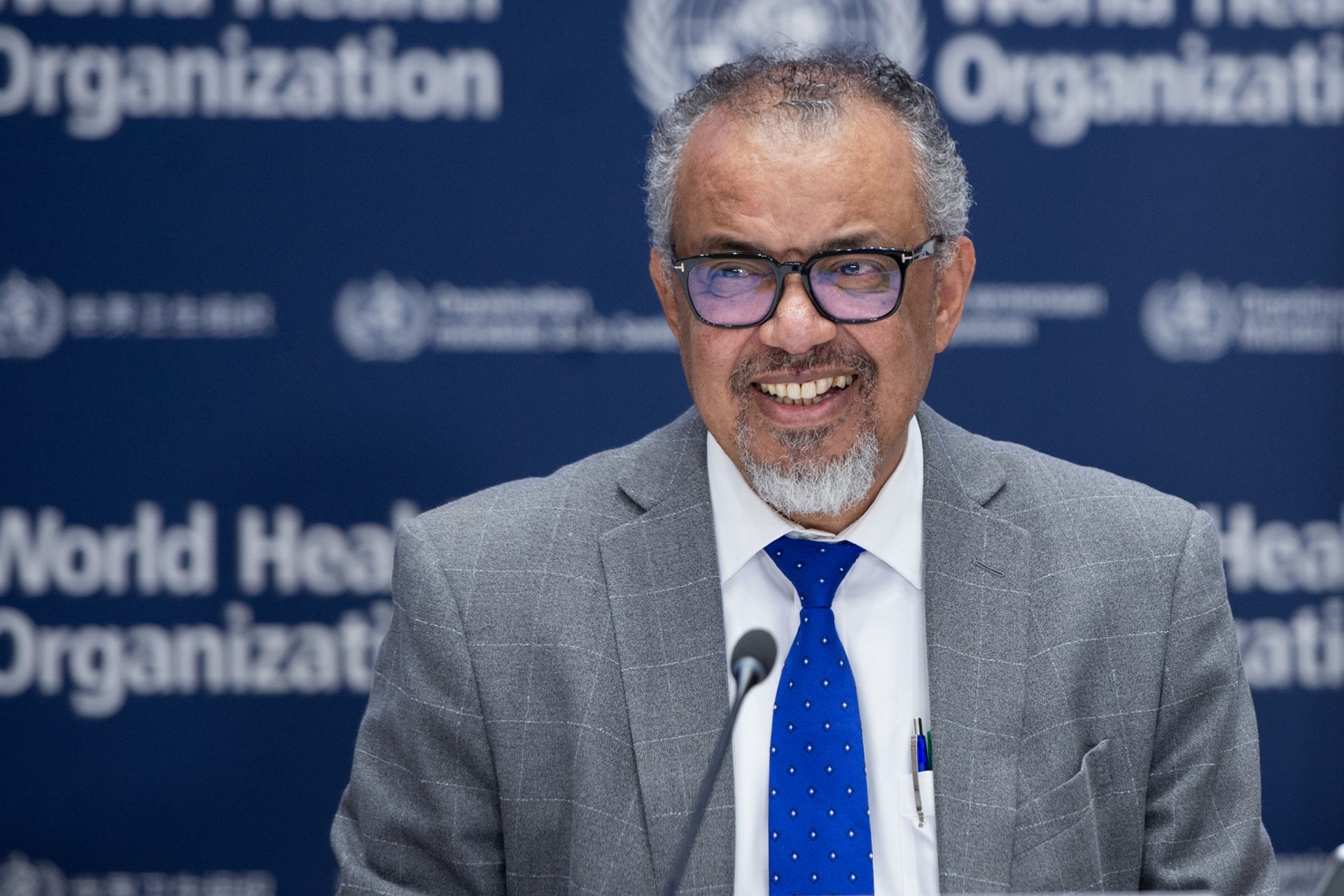
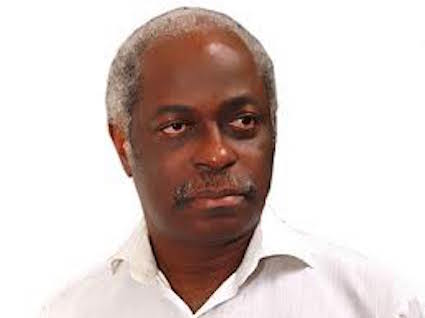
The Director-General of the World Health Organisation (WHO), Tedros Ghebreyesus, has said that COP31's failure to reach an agreement is a serious blow for global health.
Mr Ghebreyesus noted that not agreeing on measures to protect health will leave vulnerable communities at risk due to climate change.
In a post on X on Tuesday, the WHO chief mentioned that this result is a missed chance to expand proven actions that could save over 1.5 million lives each year.
"The failure of COP31 to deliver an agreement that protects people’s lives and health is a grave setback," he stated.
He also pointed out that countries could not find common ground on how to move away from fossil fuels, calling it another missed chance to save millions from air pollution.
"We urged leaders to negotiate as though lives depended on it. Because they do," he said.
Mr Ghebreyesus added that the WHO will keep working with scientists, health experts, and civil groups to push for climate action that safeguards health.
Air pollution is still a big global health risk. The State of Global Air 2025 report estimated that air pollution led to 7.9 million deaths worldwide in 2023, which is about 13 percent of all global deaths.
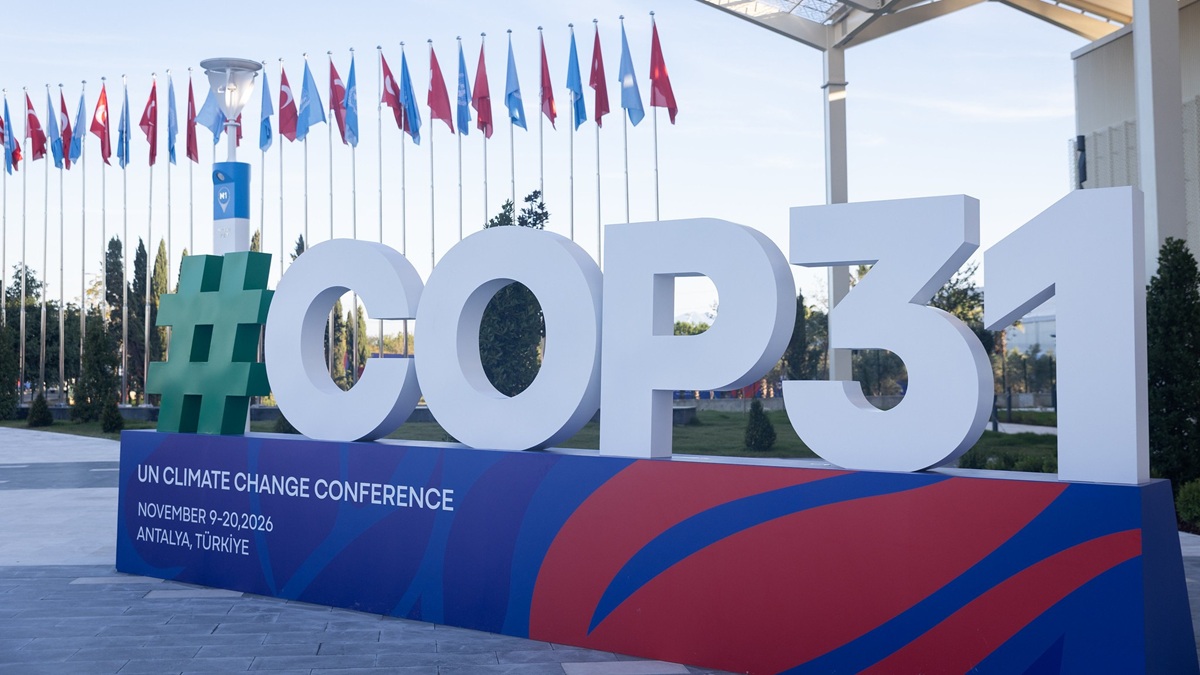
COP31 ended in Antalya, Turkiye, on Sunday without reaching a consensus after more than two weeks of talks that went nearly 48 hours longer than planned.
The breakdown happened due to serious disagreements among countries about moving away from fossil fuels, climate finance, and other tricky issues.
PREMIUM TIMES reported that an initial draft agreement released by COP31 on 16 November suggested increasing annual climate adaptation finance for developing countries to at least $120 billion by 2035 and urged faster action to phase out fossil fuels.
However, a revised draft later removed the direct mention of moving away from fossil fuels and the adaptation finance target.
In its report on the revised draft, PREMIUM TIMES showed that the document was cut down from 18 pages and 144 paragraphs to nine pages and 80 paragraphs.
Countries were still split over the proposed agreement, with the European Union, Norway, Canada, and the United Kingdom among those that did not accept the final text.
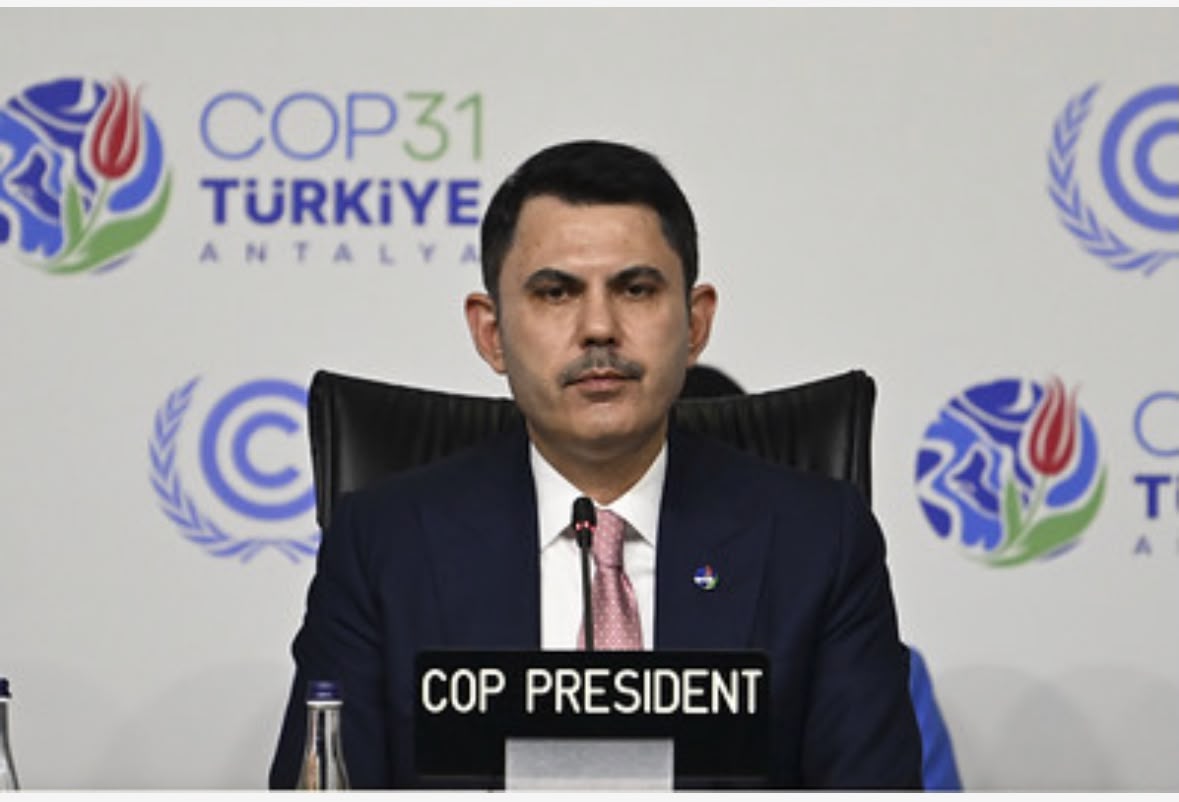
COP31 president, Murat Kurum, later confirmed at the closing that the Antalya Pact would not be approved.
PREMIUM TIMES also reported that representatives of Ghana, speaking for the African group, expressed disappointment with how the negotiations went, while no Nigerian representative spoke at the closing.
The WHO has warned many times that climate change brings serious health risks, including extreme heat, air pollution, food insecurity, and the spread of diseases affected by climate.
At the start of COP31, global health and climate funders shared over $375 million in funding to tackle health challenges linked to climate change.
This funding was meant to support actions against extreme heat, air pollution, climate-sensitive diseases, and other health risks from global warming.
In Nigeria and other countries, rising temperatures have raised public health worries in recent years.
At the opening ceremony, Simon Stiell, the executive secretary of UN Climate Change, said the world is facing dangerous heat levels that put millions at risk of extreme temperatures.
"As today’s important data from the WMO shows, the world is getting dangerously hot. Hundreds of millions of people are exposed to extreme heat across Southern Asia," Mr Stiell said.
Drop your comment
No comments yet — be the first to drop the gist 👇