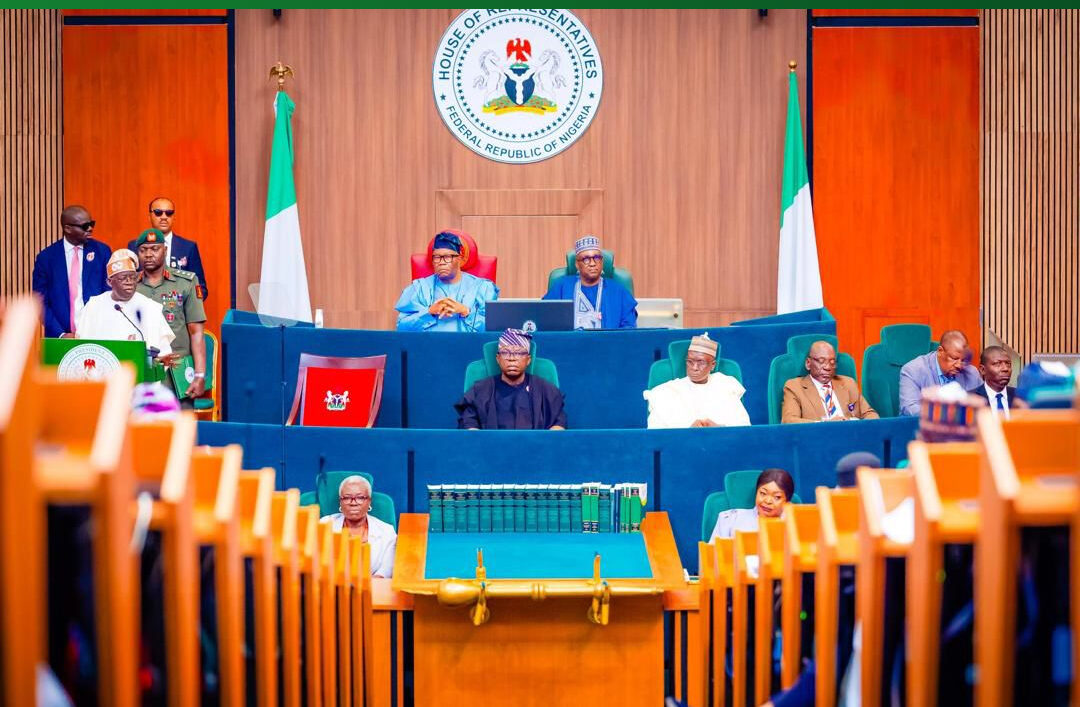
The Federal High Court in Lagos has ruled that the National Assembly's N110 billion vehicle purchase and allowance plans are unlawful. The court found that this spending broke procurement laws, constitutional rules, and violated public trust.
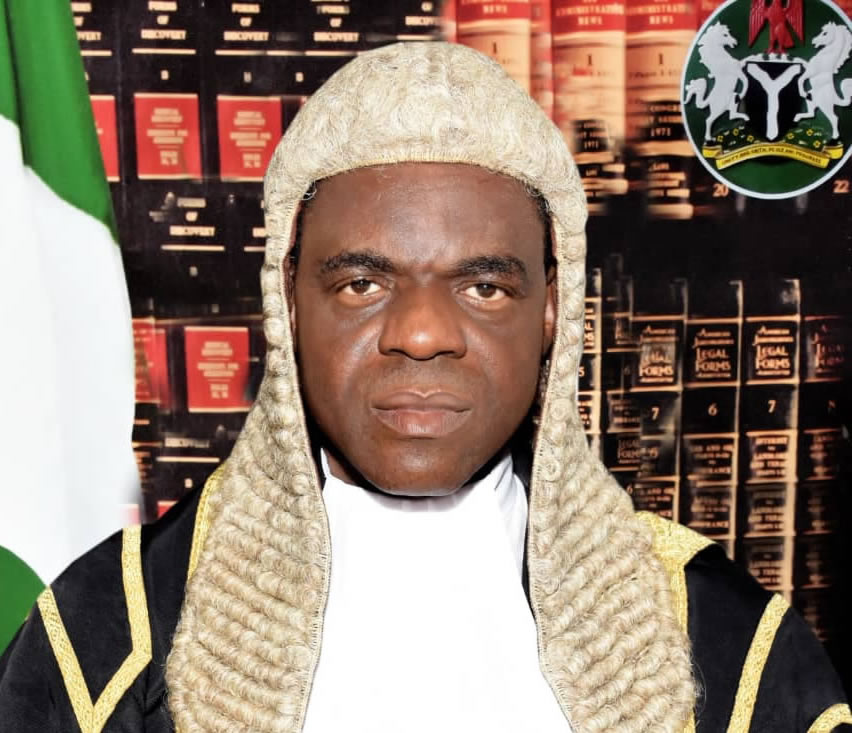
The Socio-Economic Rights and Accountability Project (SERAP) announced this on Sunday. Judge Yellim Bogoro said the N40 billion set aside for 465 vehicles for federal lawmakers and N70 billion for support allowances for new legislators was arbitrary and did not meet procurement standards.
The case, marked FHC/L/CS/1606/2023, was filed by SERAP against Senate President Godswill Akpabio and House Speaker Tajudeen Abbas on behalf of themselves and other lawmakers. On May 6, Judge Bogoro ordered the National Assembly to follow due process in future spending and ensure transparency and value for money.
“The doctrine of separation of powers does not operate as a shield for illegality,” the judge stated. He emphasized that the court was focused on whether the spending was legal and constitutional.
The court found that lawmakers approving these expenditures were in a conflict of interest. “The beneficiaries of the expenditure are the very officials approving it, and the expenditure confers direct pecuniary and material benefits. This to my mind constitutes a case of self-dealing and conflict of interest,” Judge Bogoro ruled.
He also noted Nigeria's tough economic situation. Allocating N110 billion for lawmakers while many citizens struggle showed a failure to prioritize the country’s needs. “In this context, the allocation of N110 billion for the benefit of lawmakers demonstrates a failure to prioritize national interest,” the judgement stated.
Judge Bogoro said the spending went against the duty public officers owe to Nigerians. It also contradicted the oath taken by lawmakers. “Public office must not be used for personal enrichment. Public Officers must act within constitutional boundaries and in good faith,” the court held.
The court dismissed challenges from the defendants about its authority and SERAP's right to file the suit. Judge Bogoro noted that Nigerian law allows public interest lawsuits and that groups like SERAP can go to court to protect public interest.
“SERAP being a public interest organization committed to transparency and accountability has demonstrated sufficient interest,” the judge ruled. He added that the case raised important constitutional issues about accountability and public finance.
The court also rejected claims that not serving a formal notice made the suit invalid. Judge Bogoro pointed out that SERAP had written to the National Assembly before taking legal action, but the defendants did not respond.
Similarly, the judge dismissed the argument that the case was no longer relevant since the funds had allegedly been spent. The court stated that declaratory reliefs are still possible even after the act is done.
On the main issues, Judge Bogoro found the defendants did not provide solid proof of following procurement rules and competitive bidding as required by the Public Procurement Act. “The Defendants have failed to provide any credible evidence of compliance with procurement procedures,” the judgement stated.
The court held that the proposed spending broke Section 57(4) of the Public Procurement Act 2007, the Code of Conduct for Public Officers, and the constitutional oath taken by lawmakers. Judge Bogoro emphasized that when legislative actions break laws, the courts must intervene.
Since SERAP provided credible evidence, the court granted them the reliefs they sought. The court declared that the planned N40 billion purchase of 465 vehicles broke procurement laws. It also ruled that the N70 billion for new lawmakers violated their constitutional obligations.
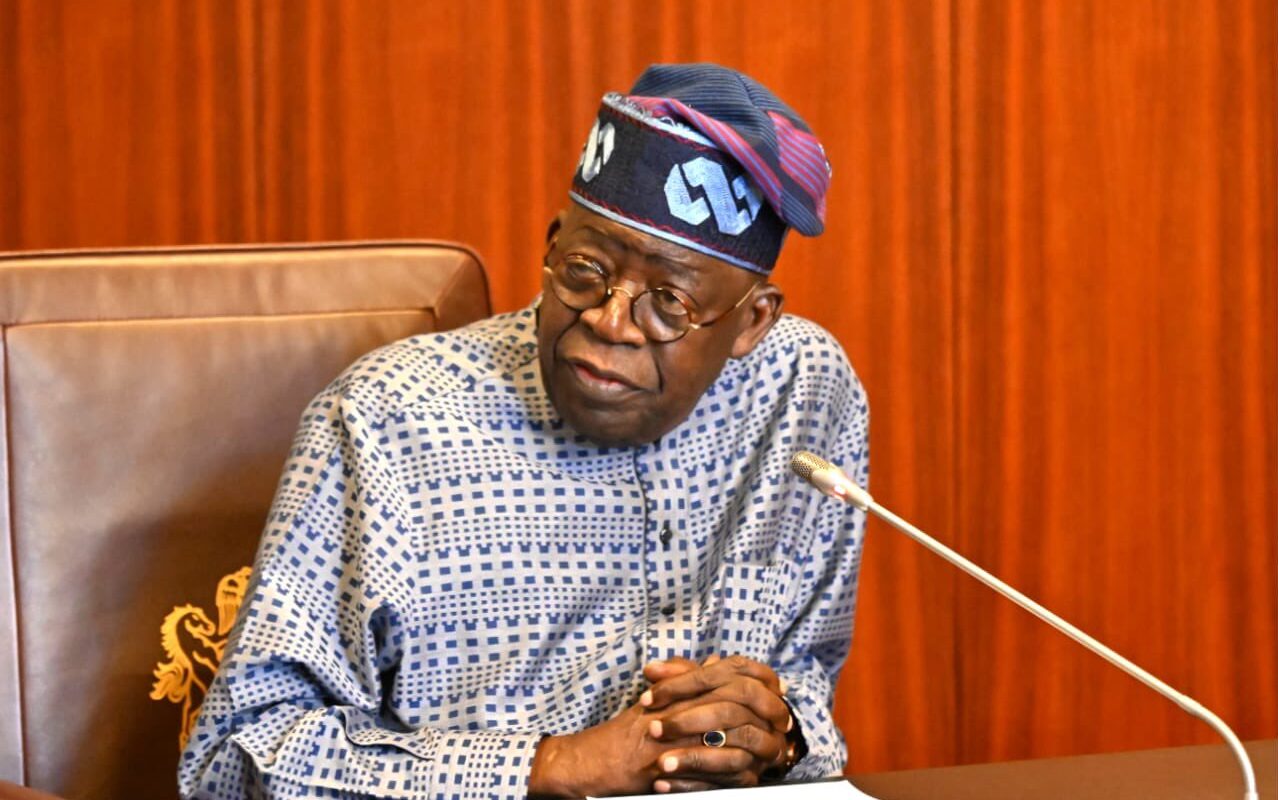
The court ordered the National Assembly to ensure all future spending follows due process and principles of accountability. This legal challenge came amid public outrage over the plan to buy expensive vehicles shortly after the 10th Assembly started, especially during tough economic times.
SERAP filed the lawsuit in August 2023 after the legislature approved the N40 billion for 465 SUVs, including bulletproof ones, and N70 billion for support allowances for new members. The group highlighted that while lawmakers planned to spend N110 billion, only N500 billion was allocated for palliatives for poor Nigerians facing rising living costs.
In the suit, SERAP wanted the court to order Akpabio and Abbas to cut the vehicle budget and cancel the provision for the N110 billion spending. SERAP argued that this spending went against the Public Procurement Act and the oath of office.
As the case moved forward, it gained more attention after reports surfaced that contracts for the vehicles were awarded even with the lawsuit ongoing. Civil society groups threatened protests, and SERAP went back to court for orders to stop vehicle procurement until the case was settled.
They also wrote to President Bola Tinubu, asking him to step in and prevent the lawmakers from receiving the vehicles. They warned that allowing the procurement to continue could undermine the court case.
The House of Representatives later confirmed orders for operational vehicles, stating they were official assets. They insisted these vehicles would belong to the National Assembly unless sold at the end of the Assembly's term.
Despite this, the procurement faced backlash from many Nigerians who called it insensitive during a time of economic hardship. Critics also questioned the high costs of the vehicles compared to previous years and urged that the funds be used for more pressing needs.
This latest judgment is part of a long history of opposition to the National Assembly's purchase of luxury vehicles. In 2016, activist Malcolm Omirhobo challenged the buying of expensive cars for lawmakers, arguing it ignored economic realities.
The suit followed criticism of the N3.6 billion vehicle allocation in the 2016 budget and the Senate's purchase of 108 luxury vehicles during a recession. Omirhobo asked the court to declare the procurement illegal.
The issue came up again in 2019 when SERAP and others opposed plans to buy luxury cars for senators, arguing it was unjustifiable in a country where many people live in poverty.
After the judgement, SERAP Deputy Director Kolawole Oluwadare called it a win for transparency and responsible resource management. He said the ruling reaffirmed that public office is a trust and public funds must serve the public.
Human rights lawyer Femi Falana also welcomed the ruling, saying it showed lawmakers cannot justify lavish spending while citizens endure hardship. He urged the Revenue Mobilisation Allocation and Fiscal Commission to enforce laws about remuneration and to follow the court's ruling.
SERAP has written to the National Assembly leaders, asking them to comply with the judgement. They said this would help restore public trust in governance.
Drop your comment
No comments yet — be the first to drop the gist 👇