The Federal High Court in Abuja has set 8 December to give its decision in a case about the Independent National Electoral Commission (INEC) and its power to review election results based on the Electoral Act 2026.
Judge Muhammad Umar announced the date on Tuesday after both sides presented their documents and final arguments.
The case was filed on 24 August by the Abuja School of Social and Political Thoughts. This is a Nigerian non-profit group that promotes independent thinking on politics, law, economic policy, and media and culture. Its director, Sam Amadi, is also part of the suit.
The plaintiffs are suing the Attorney-General of the Federation (AGF), the National Assembly, the Senate, the House of Representatives, INEC, and Nigeria’s 22 registered political parties. This includes the All Progressives Congress (APC), the Peoples Democratic Party (PDP), and the Nigeria Democratic Congress (NDC).
They want the court to cancel section 65(b) of the Electoral Act 2026. This section allows INEC to review results declared by returning officers within seven days if there are violations of procedures that must be followed.
Section 65 of the Act states that INEC “shall have the power, to within seven days, review the declaration and return where it receives report from its officials, and it is satisfied that a declaration or return may have been made, ### “(a) under duress; or
“(b) knowingly and willfully contrary to the procedures prescribed under section 62 (4), (8) of this Act.”
The main issue is with subsection (b), which deals with returns or declarations that go against the required procedures. The plaintiffs claim this section interferes with the official results declared by returning officers.
At Tuesday’s hearing, the plaintiffs’ lawyer, Kemasuode Wodu, a Senior Advocate of Nigeria (SAN), argued that section 65(b) threatens democracy. He asked the court to declare this part of the law unconstitutional.
In response, the lawyer for the National Assembly, Senate, and House of Representatives, Williams Pius, asked the court to throw out the case. He called it “incompetent and academic.”
Mr Pius said the law does not stop unhappy parties from going to court “after INEC declared an election result.”
Similarly, INEC’s lawyer, Afam Osigwe, a SAN and former president of the Nigerian Bar Association (NBA), also asked the court to dismiss the suit. He argued that removing the provision could let someone who “obtained a position through fraud benefit from that fraud.”
Lawyers for APC, PDP, NDC, Action Democratic Party, Action People’s Party, African Action Congress, All Progressives Grand Alliance, Boot Party, National Rescue Movement, Youth Party, and Social Democratic Party also spoke against the suit, urging the court to dismiss it.
But a few parties, including the African Democratic Congress (ADC), Action Alliance, and National Democratic Party, supported the plaintiffs and asked the court to grant their request.
The AGF and about five of the 22 parties, including the New Nigeria People’s Party and Democratic Leadership Alliance, did not attend Tuesday’s hearing.
After listening to those present, the court set 8 December for its judgment.
Plaintiffs’ case
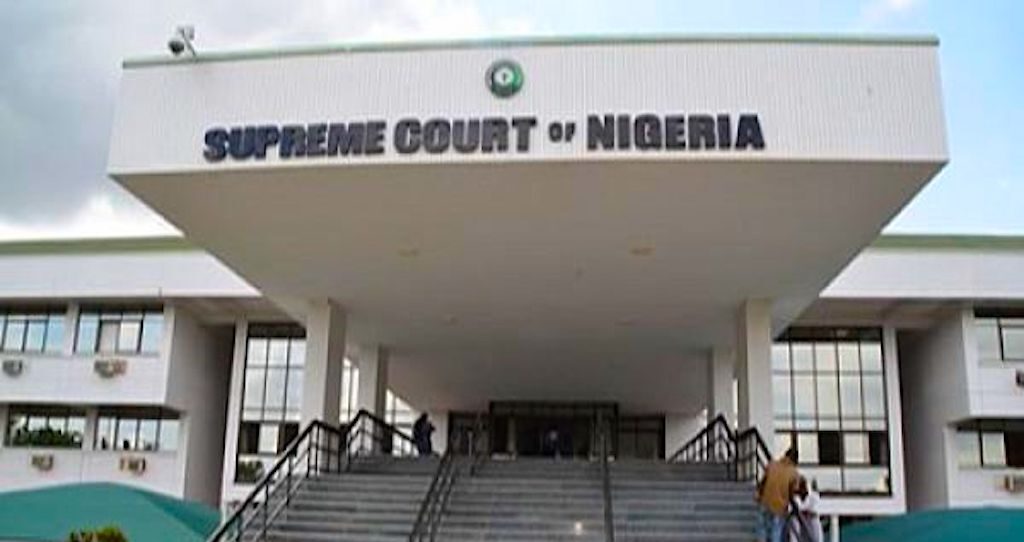
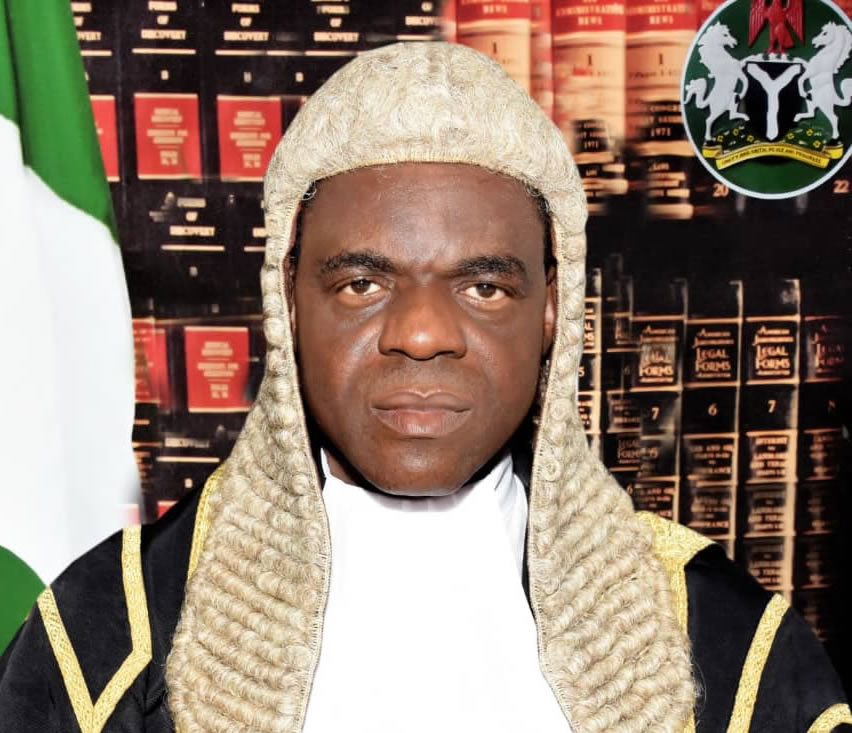

Mr Amadi and the Abuja School of Social and Political Thoughts want the court to rule if Section 65(b) of the Electoral Act 2026 is unconstitutional. They say it gives INEC the power to review results declared by returning officers for not following Section 62(4), (8).
They also questioned if this section clashes with Sections 79, 119, 139, 184, and 285(1), (5) of the 1999 Constitution, as amended, and Section 134(1) of the Electoral Act 2026. Section 134(1) says that an election and its results “shall not be questioned in any manner other than by a Petition” before a court or tribunal.
The plaintiffs argue that this provision should take precedence because it directs challenges to election results through petitions. Mr Amadi, who gave a supporting affidavit, insisted that INEC cannot change or cancel a result once a returning officer has declared it. He said only the right election tribunal can challenge such declarations and pointed to Section 285(5) of the Constitution, which gives petitioners 21 days to file an election petition.
The plaintiffs also argued that neither the National Assembly nor the President can legally give INEC the power to interfere with these declarations. They cited Section 1(3) of the Constitution, claiming that section 65(b) is void because it goes against the Constitution.
They warned that this power could lead to “confusion, anarchy and a breakdown of law and order.”
Describing their case as one of public interest, the plaintiffs said the Act lacks protections against the “arbitrary exercise” of this power. They said it does not require INEC to hear from the declared winners before it reviews results. They are asking the court to declare Section 65(b) unconstitutional.
Background
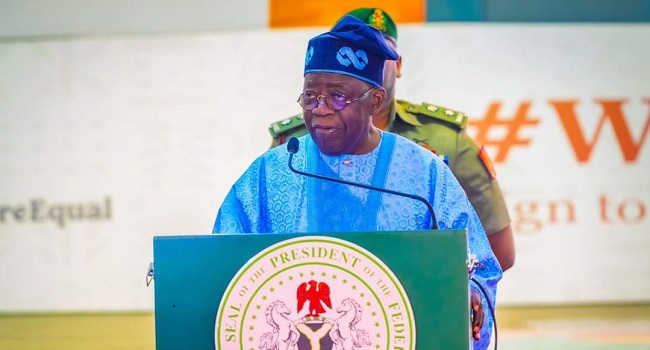
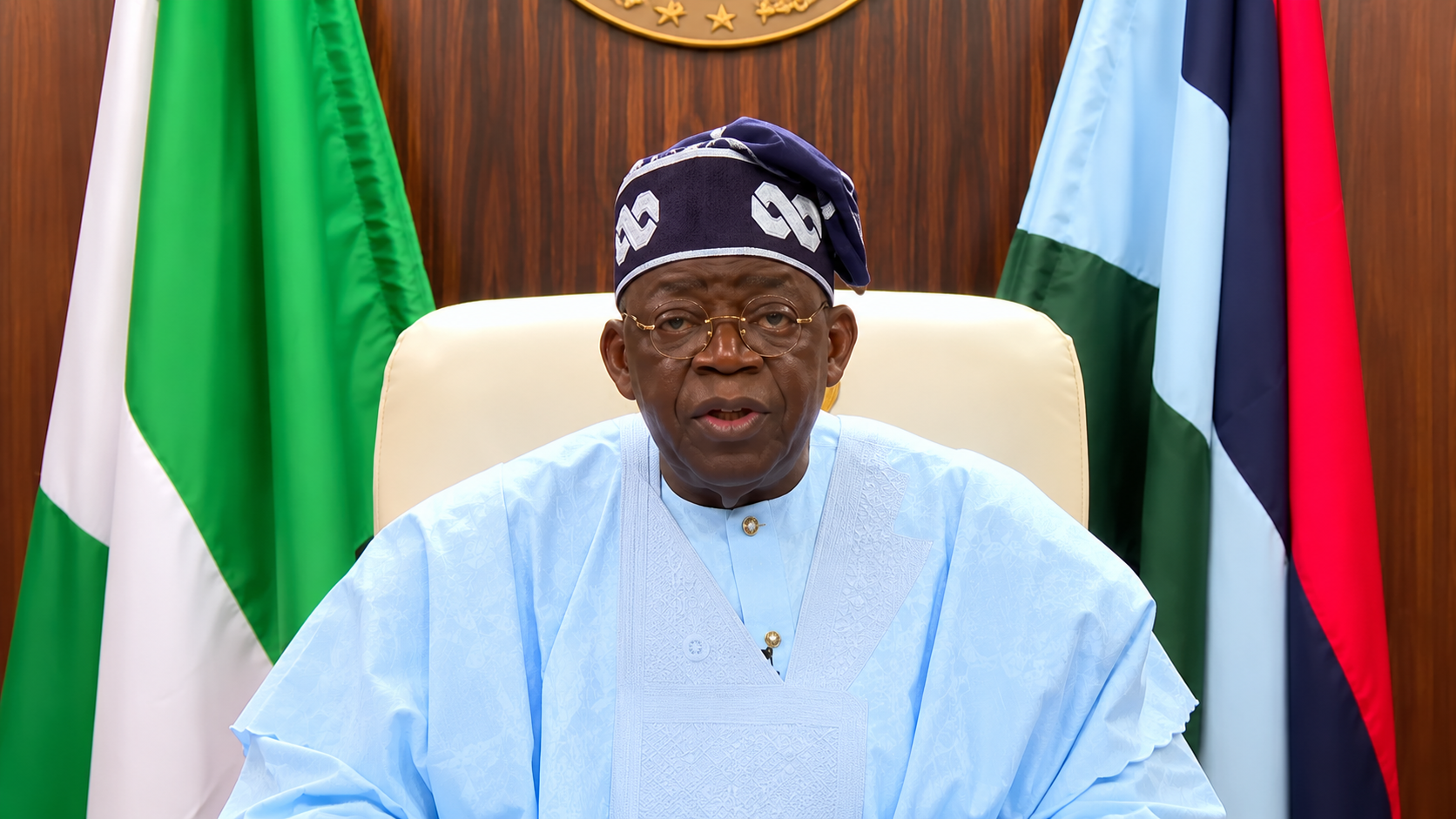
President Bola Tinubu signed the Electoral Act 2026 into law on 18 February after the National Assembly changed the 2022 Act.
Under the old Electoral Act 2010, section 68 said a returning officer’s decision on scores and candidate results was final, only subject to court review.
But this changed in section 65 of the new Electoral Act 2022 and the latest Electoral Act 2026.
The 2022 Act allowed for the finality of a returning officer’s decision on ballot validity and result declaration. It also allowed INEC a limited power to review results within seven days.
The 2026 Act kept INEC’s review power but narrowed it to only when INEC is sure that a declaration was made under duress or knowingly and willfully against the procedures in section 62(4), (8).
Section 65(a) covers declarations made under duress, while Section 65(b) concerns those made against the rules in Section 62(4), (8).
This section requires electoral officers to verify accreditation figures and votes against polling-unit records, check disputed results, correct errors, and announce verified results.
With the general elections coming in less than three months, the argument over this provision and its impact on the upcoming polls will remain unclear until the court makes its decision and any final reviews by higher courts.

Drop your comment
No comments yet — be the first to drop the gist 👇