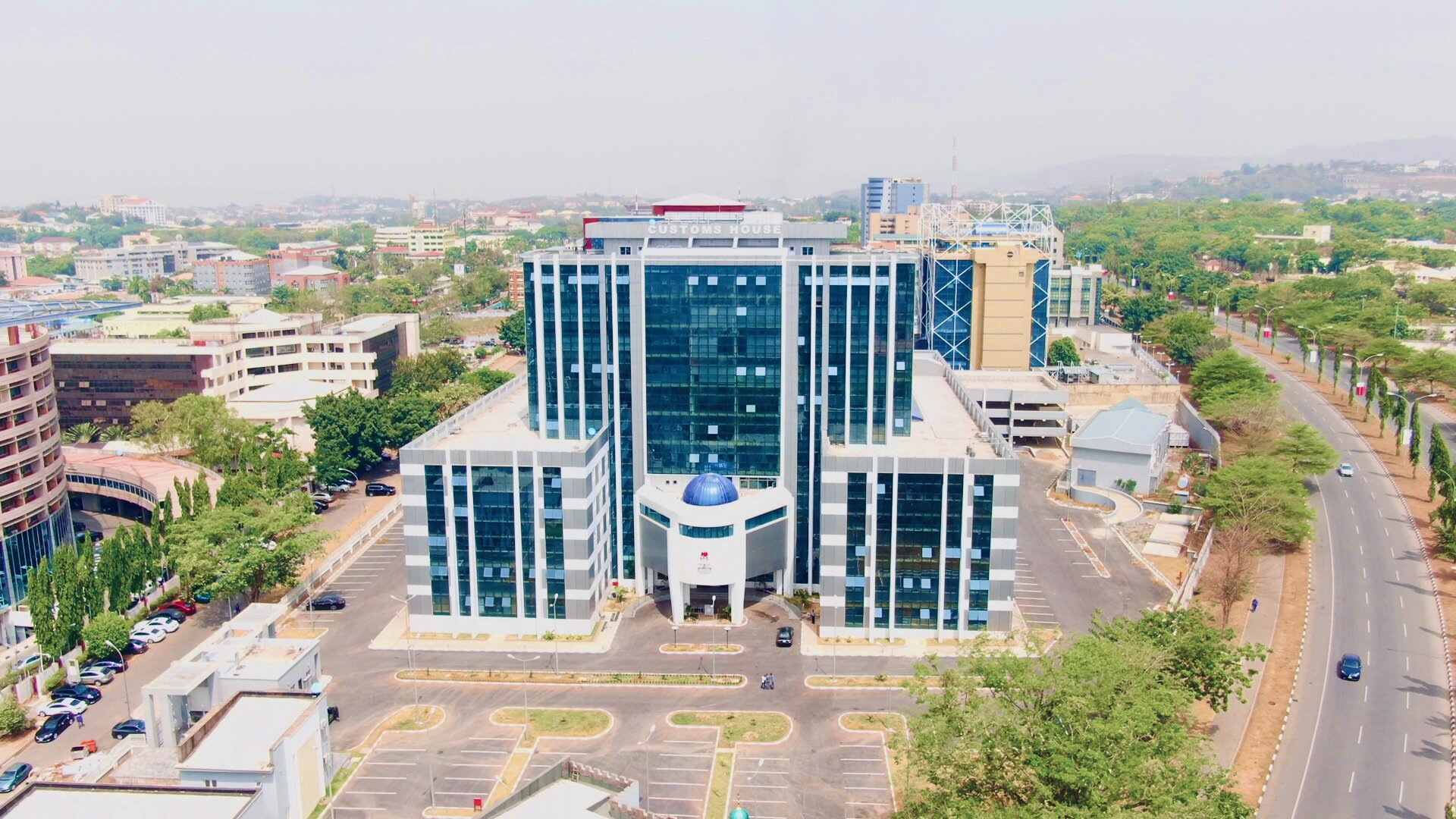
The federal government has lowered import duties on new and used vehicles as part of its 2026 fiscal policy. The Comptroller-General of the Nigeria Customs Service (NCS), Adewale Adeniyi, shared this news.
Mr Adeniyi announced the tariff changes on Monday while discussing the service’s 2026 budget proposal with the House of Representatives Committee on Customs and Excise.
He mentioned that the import duty for used vehicles has been reduced from 15 percent to 5 percent. For brand-new vehicles, the duty is now cut from 20 percent to 10 percent.
According to him, this new tariff plan is part of the government's wider fiscal policy for 2026. It is meant to help boost the economy. But, he warned that it could lead to a drop in customs revenue from vehicle imports.
“We have the new excise tariff, which is provided in the 2026 fiscal policy. We believe these measures will increase our revenue collection,” Mr Adeniyi told the lawmakers.
“Conversely, during the same tariff measures that were given to us, tariffs on vehicles and levies on vehicles have been reduced significantly. For used vehicles, the tariff has been reduced from 15 percent to 5 percent, and for brand-new vehicles, from 20 percent to 10 percent. So, we believe this may also negatively affect revenue,” he added.
Lawmakers Respond
During the session, Alex Mascot from Abia State raised a question. He wanted to know if the reduced duties would stop importers from using ports in neighboring countries, especially Cotonou.
“If 5 percent has been reduced from the fee for importing goods into the country, why do people still move their goods to Cotonou?” he asked. He pointed out that high import charges have pushed many traders to clear their goods outside Nigeria. He called on the Customs Service to check if the new plan would fix this problem.
In response, Mr Adeniyi said the new tariff system started in May.
Leke Abejide, the committee chairman from Kogi, welcomed the change. He said this was a good move for Nigerians. He noted that many people had been asking for lower vehicle import duties and praised President Bola Tinubu’s government for agreeing to the reduction.
2025 Budget Performance
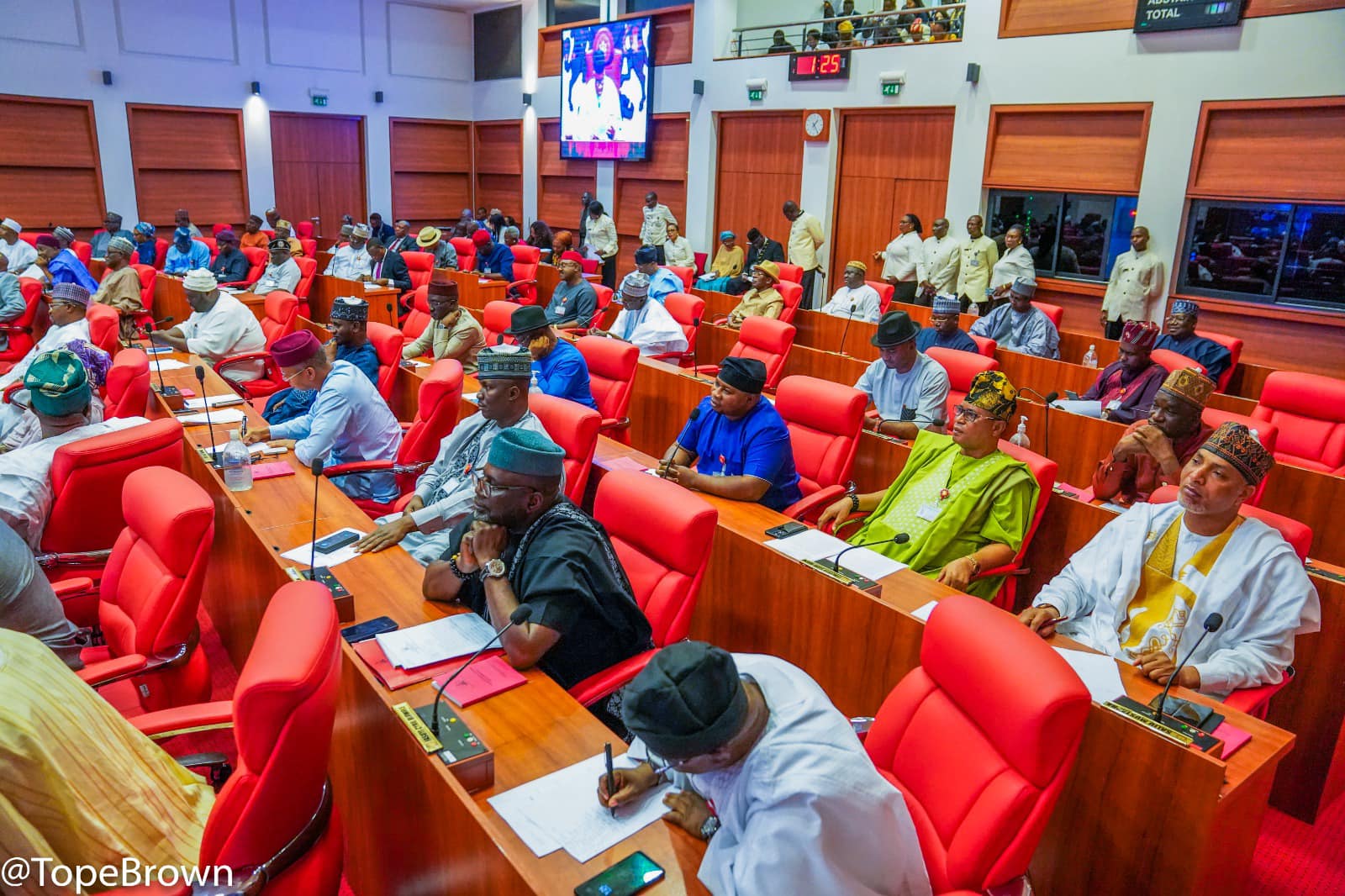


Mr Adeniyi also shared the NCS's revenue performance for 2025. He reported that the service collected ₦7.258 trillion from January to December, which was above its target. This amount was ₦1.153 trillion higher than the expected target, marking an 18.89 percent increase.
Despite this strong performance, he mentioned that some government policies limited revenue collection that year. These included the suspension of excise duty on telecom services, the ongoing suspension of the proposed green tax from 2023, and incentives for local production of healthcare products. These factors reduced customs duty and VAT collections on imported medical items.
He added that the presidential initiative promoting Compressed Natural Gas (CNG) and electric vehicles also cut revenue from imports in those areas.
According to him, revenue was further affected by a high volume of imports granted concessions through Import Duty Exemption Certificates (IDEC), VAT orders, and Schedule II of the Common External Tariff (CET). Mr Adeniyi said imports worth ₦34.538 trillion received various revenue waivers in 2025. Petroleum products made up 56.40 percent of these concessions, military imports accounted for 40.52 percent, while IDEC and other qualifying imports represented 3.08 percent.
He also mentioned disruptions to global trade due to the Russia-Ukraine war, especially affecting wheat imports into Nigeria.
Customs Targets ₦11.074 Trillion Revenue in 2026
Looking forward, the Customs Service aims for ₦11.074 trillion in revenue for the 2026 fiscal year. Mr Adeniyi explained that this projection includes ₦5.542 trillion for the federation account, ₦1.491 trillion in non-federation revenue, ₦2.773 trillion from import VAT, and ₦1.266 trillion from free-on-board (FOB) collections.
Proposed Spending
The Customs Service plans to spend ₦1.235 trillion for the 2026 fiscal year. Mr Adeniyi said this budget will be funded by ₦949.86 billion from the four percent FOB allocation, ₦55.47 billion from its two percent share of VAT revenue, and ₦230.04 billion set aside for ongoing capital projects.
The proposed expenditure includes ₦421.70 billion for personnel costs, ₦307.77 billion for overheads, and ₦565.93 billion for capital expenditure.
Drop your comment
No comments yet — be the first to drop the gist 👇