
The Dangote Refinery.
The current public offer has the potential to enhance Nigeria's capital market and show trust in a major industrial asset. But even if it attracts many investors, we should not take its results as proof of the overall economy's health.
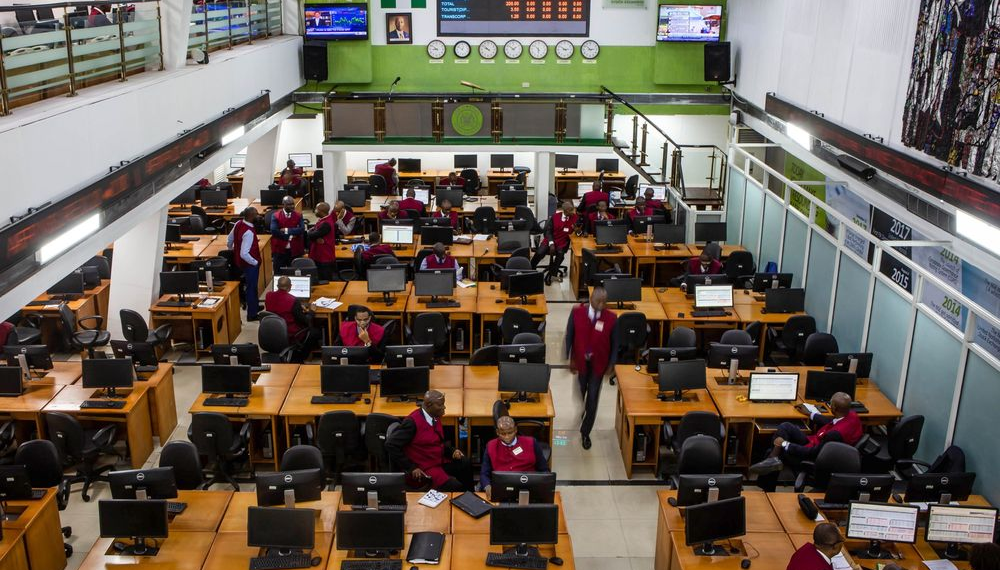
Few business events have excited Nigerians like the initial public offering of Dangote Petroleum Refinery and Petrochemicals FZE, which started on 14 September. The company is offering 4.1 billion ordinary shares at ₦525 each, with a minimum subscription of 10 shares costing ₦5,250. If fully subscribed, the offer could raise about ₦2.15 trillion and is set to close on 13 October. The shares should be listed on the Nigerian Exchange in November, depending on the completion of the offer and necessary approvals.
The offer has attracted a lot of public interest. The refinery tells a national story about industrial ambition, reduced reliance on imported fuel, and the potential to change Nigeria’s energy sector. Since the minimum subscription is affordable at ₦5,250, it aims to encourage both retail and institutional investors to participate.
It would not be surprising if the IPO closes with more investors than shares available. After the offer, focus will shift to how much was raised, the level of oversubscription, the number of applicants, and foreign participation. Some might see strong demand as proof of a booming economy, a growing capital market, and renewed investor trust.
But we should be cautious with those conclusions. While aggregate statistics can be useful, they don't tell the full story. The gaps behind the main figures are crucial when looking at what the IPO reveals about Nigeria’s economy and the financial situations of individual investors.
Investors are likely to come from different backgrounds. Some may be driven by national pride or faith in the Dangote brand. Others might join in because they expect high demand and a rise in share prices after listing. Pension funds, asset managers, and insurance firms might join in as there are few large, liquid assets in Nigeria. Foreign and diaspora investors may subscribe, while traders might aim to resell shares after listing.
Some subscriptions might come from savings, while others might be from loans or selling assets. Investors could borrow from banks, family, or digital lenders. Some might even sell land, cars, jewelry, or existing shares. Money set aside for rent, school fees, or business expenses might also be redirected towards this offer.
Like any big financial deal, regulators, issuing firms, and financial institutions need to implement strict customer-identification, source-of-funds, and anti-money-laundering rules. The worry isn't that an IPO will attract illegal funds, but that such a large offer needs strong financial controls.
These various funding sources could lead to oversubscription. That is why the final result of the IPO, looked at alone, would not reliably measure Nigeria’s economic health.
Oversubscription Is a Limited Signal
Oversubscription alone is not a strong economic sign. It can happen even in tough economic times. When inflation is eating into savings, the naira is unstable, and it's hard to sell property, investors might rush into any asset that seems likely to hold value.
Such demand may not show widespread wealth. It could highlight a lack of good investment options.
A heavily subscribed IPO might also show that few people have money while many struggle with low purchasing power. It could reflect speculative interest rather than long-term confidence. It may show excitement for a specific company without indicating faith in the economy as a whole.
The offer’s price is also key to understanding demand. Investors look at the company's reputation, the price of ₦525 per share, allocation rules, expected returns, and market conditions. A strong valuation could lead to high oversubscription even in a weak economy. An excessive price could result in disappointing outcomes even if the company and economy seem to be improving.
The headline subscription figures will also raise many questions. They will not necessarily reveal:
- whether subscriptions were from savings or loans;
- whether demand came from many small investors or a few wealthy ones;
- whether investors plan to hold shares long-term or sell quickly;
- whether foreign investments are long-term or short-term;
- whether banks funded share purchases at the cost of lending to businesses;
- whether households took money from education, healthcare, or housing needs.
These are not minor differences. They distinguish an economy based on productive savings and long-term investment from one facing speculative excitement.
The IPO Is Important, but Its Meaning Depends on the Details
The limits of oversubscription do not make the IPO unimportant. The offer is already a milestone for Nigeria’s capital market. It provides an opportunity for individuals and institutions to invest in a crucial industrial venture. A successful conclusion could increase share ownership, attract long-term capital, and enhance the visibility of the Nigerian Exchange.
The offer could also boost corporate transparency and governance. As a public company, the refinery would need to keep up with disclosure rules and face more scrutiny from shareholders, regulators, and the market.


The importance of the deal will depend on its structure and aftermath. It is vital to separate capital raised for the company from proceeds for any selling shareholders. The identity of the legal issuer, the assets and obligations in the listed entity, how the money will be used, and the rights tied to the shares all influence how the deal should be viewed.
If new funds are raised for growth, their eventual economic impact will depend on how well they are used. Raising ₦2.15 trillion would be impressive, but the key questions are whether the funds boost production, improve operations, and generate sustainable returns.
What the IPO Figures Should Reveal
A proper assessment should look beyond the amount raised and the oversubscription ratio. Investors, regulators, and economic commentators should analyze the type, source, and quality of demand.
Useful details would include:
- the number and average size of retail subscriptions;
- the share of the offer for retail and institutional investors;
- the concentration of shares among top subscribers;
- the split between domestic and foreign investors;
- how many subscriptions were funded by credit;
- the valuation compared to earnings, cash flow, assets, and similar companies;
- the exact use of the funds;
- trading liquidity and price stability after listing;
- the number of investors keeping their shares over time;
- the refinery’s operating performance and disclosure standards.
Retail participation is particularly important. The minimum subscription of 10 shares makes the offer accessible, but affordability does not guarantee widespread ownership. The final distribution of shares will show if the offer truly widened participation or if it remained focused on large investors.
Better Measures of Economic Improvement
To properly assess Nigeria’s economy, we need to look at a broader range of evidence. Real wages and jobs matter because they show if families are gaining purchasing power and job opportunities. Inflation, especially for food and energy, is crucial as it directly affects living standards.
Manufacturing capacity, electricity supply, and business costs indicate if companies can compete. Access to affordable loans shows if small and medium-sized businesses can grow and create jobs. Exchange-rate stability, foreign reserves, and export diversity indicate if the external sector is becoming stronger.
Real foreign direct investment usually gives a better idea of long-term confidence than short-term investments in a single asset. Capital formation, domestic savings, tax revenue, poverty reduction, security, and human development also paint a clearer picture of whether economic progress benefits the wider population.
These indicators reflect the daily lives of millions of Nigerians. One IPO, no matter how big, cannot replace them.
When the IPO Could Be a Positive Signal
The final outcome could still fit into a positive economic story. If millions of ordinary Nigerians participate using real disposable savings; if pension funds, insurers, and asset managers invest long-term capital; if foreign investors provide patient funding; and if the listing boosts transparency and corporate governance, the deal could show progress.
Its economic importance would be higher if the capital supports real growth, the refinery operates well, and its activities provide benefits like jobs, a steady fuel supply, better local value chains, lower logistics costs, and sustainable returns for shareholders.
Even in such cases, the IPO would be just one good sign and not a full picture of the economy.
If, on the other hand, much of the demand comes from excessive borrowing, forced asset sales, drained household savings, or hopes for quick profits after listing, oversubscription would indicate less about economic strength. It might instead show a mix of few investment opportunities, concentrated wealth, inequality, financial stress, and optimism.
The Dangote Refinery IPO is a significant event. Its size, low minimum subscription, and the expected addition of a key industrial player to the Nigerian Exchange make it important for the capital market. If fully subscribed, it will raise about ₦2.15 trillion and could be a major test for Nigeria’s ability to fund large domestic companies through public markets.
But we should not see it as a national economic report card. Its true meaning will depend on who invests, how subscriptions are financed, how shares are shared out, how the money is used, and how the company performs after listing.
The real test will come after the offer ends and the initial excitement fades: whether the refinery delivers, whether the capital market becomes deeper and clearer, whether funds flow to productive sectors, and whether ordinary Nigerians see real benefits. Until those results are clear, strong subscription demand may show more about Nigeria’s need for credible investment options than about the strength of its economy.



Drop your comment
No comments yet — be the first to drop the gist 👇