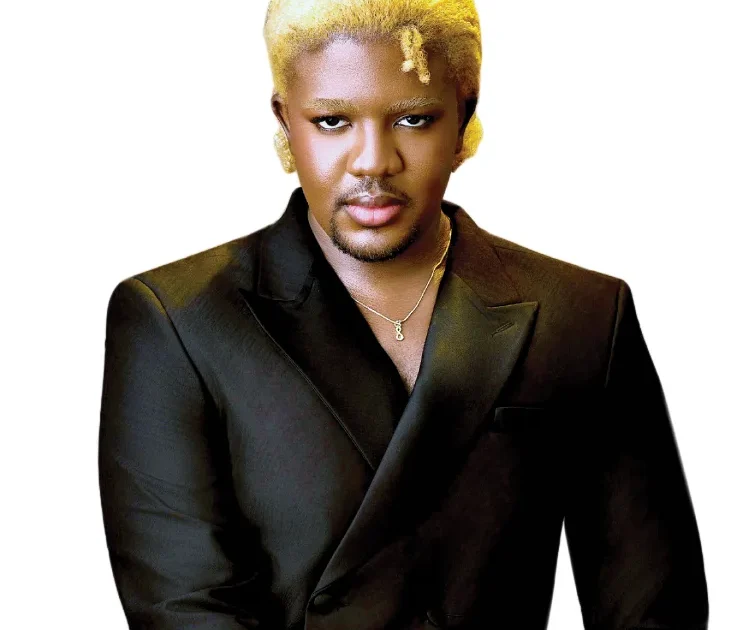
Dieko Afolayan, the son of Nollywood filmmaker Kunle Afolayan, recently shared his journey through bullying, sexual assault, and suicide attempts. He talked to VERA ALKALI about healing and more.
You shared personal stories on the Morayo Show. Did you feel that people close to you didn't see your pain?
When you face emotional pain, you get good at hiding it. People see you laughing and going about your life, so they think everything is okay.
Sometimes, I wished others could see past my smile. But I learned that people can't always notice what you don't have the courage to say.
That is why emotional awareness matters. People might not need you to have all the answers. They just want someone to check in and create a safe space to talk.
After your assault, did you find it hard to trust anyone again?
Events like that change how you see safety, relationships, and your interactions with others.
For me, it was important to remember that what happened to me does not reflect everyone I meet. I didn't want someone else's actions to affect my future relationships.
Trust takes time. I learned it's okay to set boundaries and be careful about who I let into my life.
Did you ever blame yourself for what happened?
When someone goes through trauma, they often try to make sense of it. This includes asking what they could have done differently.
But one thing I learned, and I want others to know, is that the blame lies with the person who caused the harm.
I was not to blame for what happened to me. Survivors need to know they shouldn't carry the shame of someone else's actions.
Have you confronted anyone involved in your trauma?
Confrontation means different things to different people. Many think healing means facing those who hurt them for answers or apologies.
But I learned that my healing doesn't depend on whether they acknowledge their actions or not.
There are things you may never get clarity on, and some conversations might not happen. That doesn’t mean you can’t move forward.
My focus has been on reclaiming my peace and knowing I deserve a life not defined by my past.
Since you opened up, have you faced any backlash or been treated differently?
Definitely. The Internet can be strange because people often feel they can comment on things they know little about.

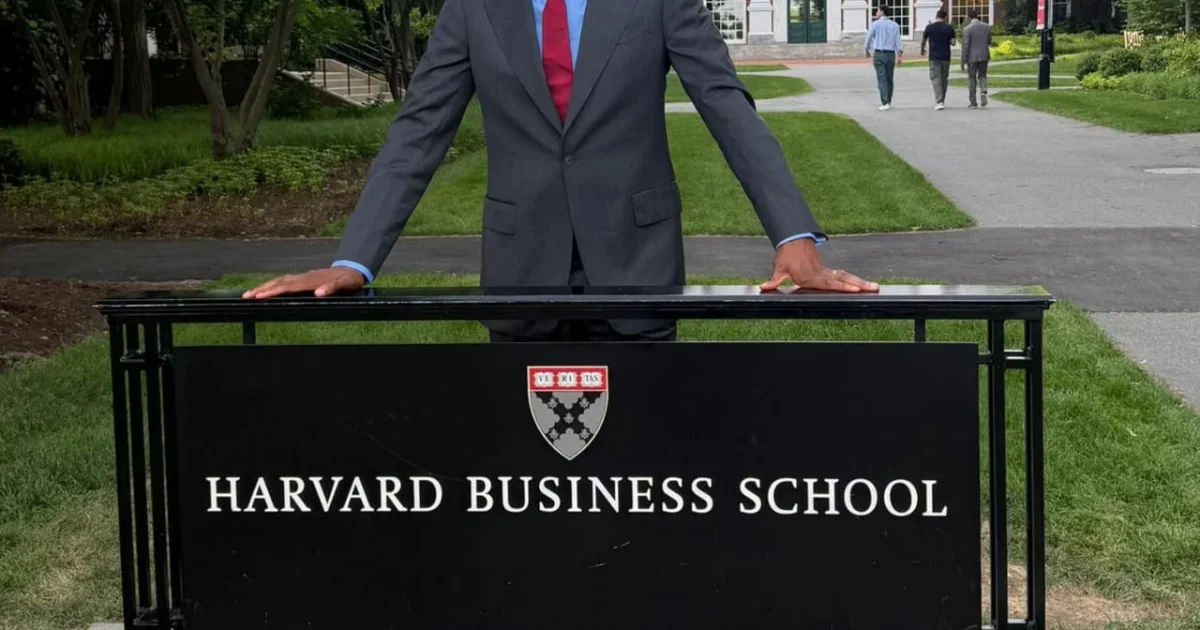
I’ve received both support and criticism. While I appreciate those who share their stories with me, I learned not to take every opinion to heart.
When you share something personal, you cannot control how people see it. I’ve become more careful about what I share and why.
I don’t want my life to be just about what I survived. I want people to see what I am building and who I am becoming.
Have you truly healed, or do you just manage the pain?
People often misunderstand healing. It doesn’t mean reaching a point where nothing hurts anymore.
Healing doesn’t mean forgetting what happened or pretending those experiences didn’t shape you. It means those experiences no longer control your decisions or how you see yourself.
I’m still growing and learning. There is beauty in acknowledging that without feeling like a failure.
I don’t want to act like I have everything figured out. I’m human and can have tough days. But I also focus on building a life beyond those experiences.
Do you regret sharing such personal experiences?
I wouldn’t say I regret it because someone else might need to hear they are not alone.
But I learned that sharing your story doesn’t mean losing your privacy. There is a difference between being real and making every part of your life public.
I want to tell my story on my terms and in ways that matter. Vulnerability should not cost you your personal boundaries.
What would you say to parents who think their children's emotional struggles are just attention-seeking?
I would say children might not have the words to explain their feelings.
What looks like rebellion or attention-seeking could be a child trying to say something they cannot express.
Parents need to know that taking care of a child physically is important, but emotional support is just as vital.
You don’t have to fully understand your child's struggles to help them feel heard. Sometimes, just listen without correcting or judging them.
We also need to stop thinking children should only be taken seriously when their struggles are extreme. A child shouldn’t have to reach a breaking point for someone to take their feelings seriously.

Drop your comment
No comments yet — be the first to drop the gist 👇