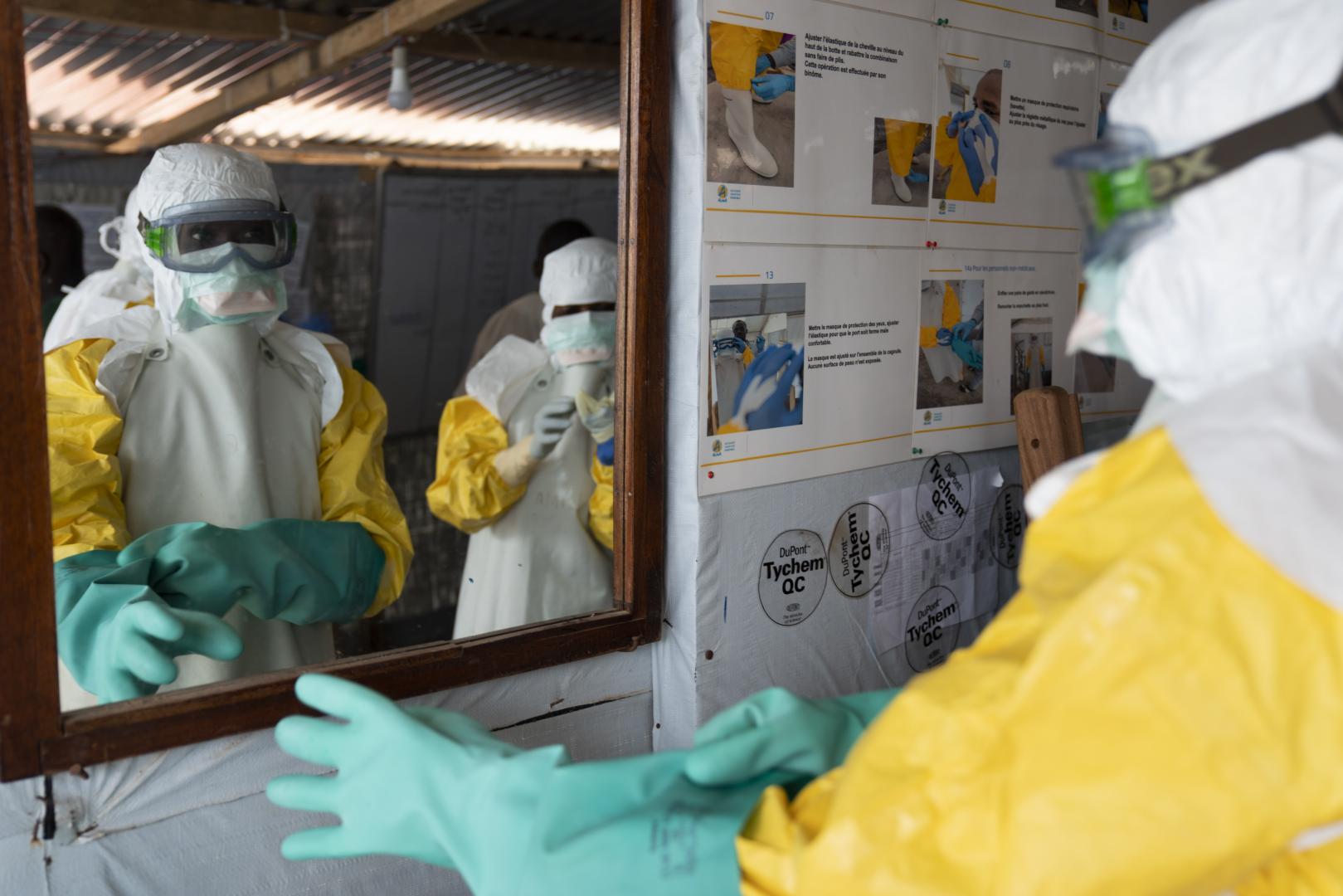
Insecurity is a big problem for stopping the Ebola outbreak in the Democratic Republic of the Congo (DRC). More than 11,000 cases and 5,400 deaths have been reported.
The World Health Organisation (WHO), in a news release on 15 November, said attacks on health workers and facilities, displacement of people, and trouble reaching remote areas are affecting efforts to control the outbreak.
This outbreak, caused by the Bundibugyo virus, has reached 67 health zones across eight provinces. Between 400 and 500 new cases are reported each week.
"Children account for more than a quarter of confirmed cases and one third of deaths. Seven in 10 children under five with confirmed Ebola have died," the WHO noted.
Attack on healthcare
The WHO reported that a recent armed attack in Cantine-Aloya killed 66 civilians, including three health workers. Three health facilities were also looted during the attack.
This attack led to more than 1,000 contacts being lost to follow-up, and three confirmed cases are still unaccounted for. Another attack on the town happened on 11 November.
Since the outbreak began, the WHO has recorded more than 80 attacks on health facilities. "A halt in hostilities is urgently needed to protect communities and health workers, and to safeguard the progress made over the past six months," it said.
The WHO added that about two-thirds of confirmed deaths occurred in communities. This means many infections are being found too late for patients to get timely treatment.
Cross-border transmission concerns
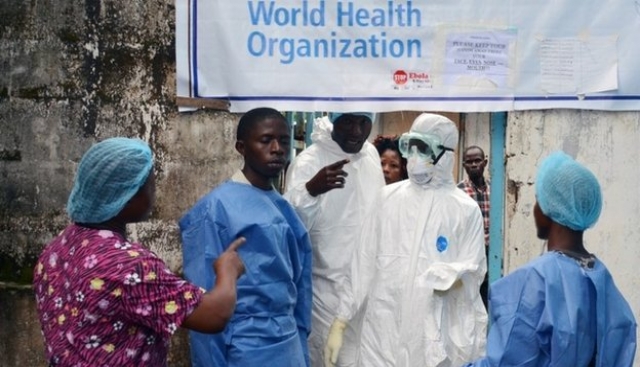
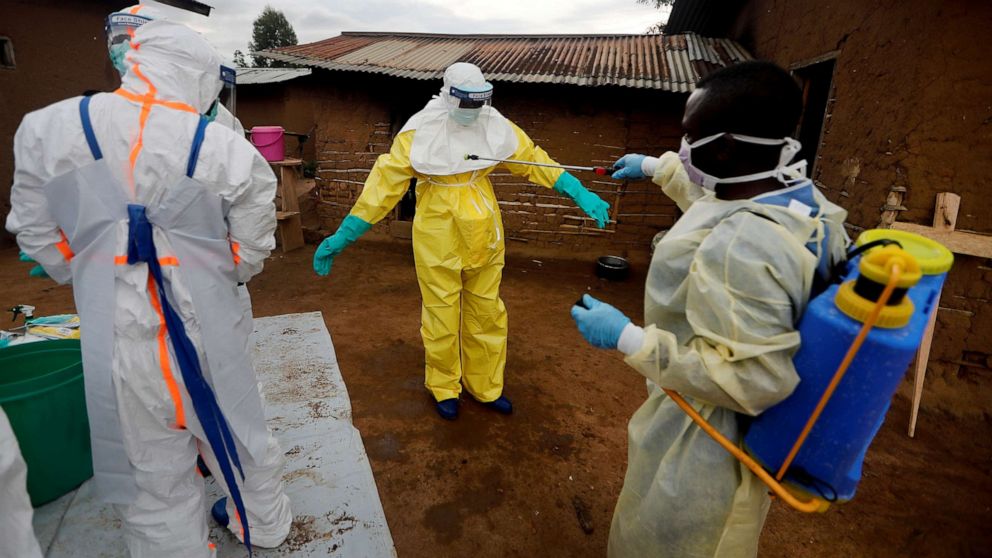
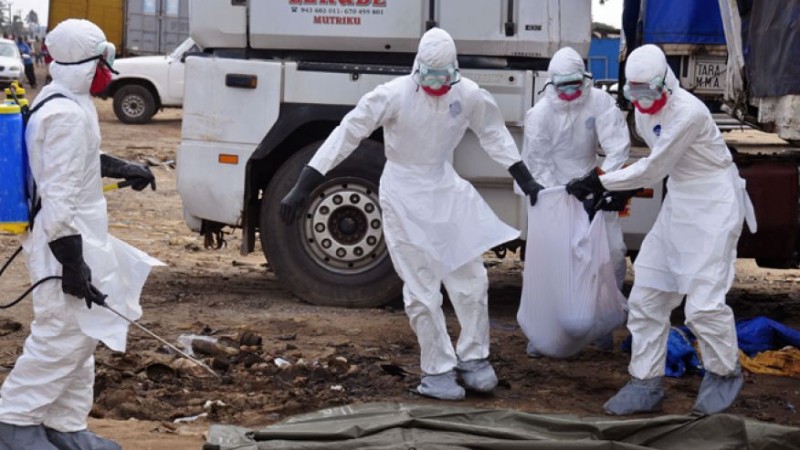
The WHO also pointed out the risk of the outbreak spreading beyond the DRC. There have been recent imported cases in Kenya and Nigeria.
The agency mentioned that cross-border collaboration has improved surveillance, information-sharing, and coordination among affected and at-risk countries.
"Recent imported cases in Kenya and Nigeria highlight the ongoing risk of spread beyond national borders. Delays in paying frontline health workers and responders create tension and slow the response," it said.
The WHO stressed that neighbouring countries need to keep an eye on the situation and be prepared, especially around high-risk border areas.
Response gains
Despite these challenges, the WHO said efforts have reduced transmission in some of the outbreak’s early hotspots. These include Mongbwalu, Nyankunde, Nizi, Rwampara, and Butembo.
The number of laboratories has increased from two to more than two dozen. Nearly 2,000 treatment beds are available at 104 treatment and transit centres.
About 3,000 people have recovered from the disease. More than 17,000 community health workers and 46,000 community actors have been trained to help with the response.
The WHO said continued funding, safe access for health workers, and more community involvement are key to reaching areas that are still hard to access and controlling the outbreak.


Drop your comment
No comments yet — be the first to drop the gist 👇