
The Ebola outbreak in the Democratic Republic of the Congo (DRC) keeps spreading. The World Health Organisation (WHO) reports that there are cases in 61 health zones across six provinces.
The WHO shared this information in their recent update on the outbreak released on Thursday. They noted that the outbreak has reached the Kayna Health Zone in North Kivu.
The provinces affected include Bas-Uélé, Haut-Uélé, Ituri, North Kivu, South Kivu, and Tshopo.
Concerns About Transmission
In the latest WHO update, they mentioned that transmission patterns are still changing. There is proof that the outbreak is expanding geographically. Some health zones are seeing a rise in cases, even with response efforts ongoing.
The WHO pointed out that late detection is a big worry. This delay raises the chances of more people getting infected in homes, communities, and healthcare settings.
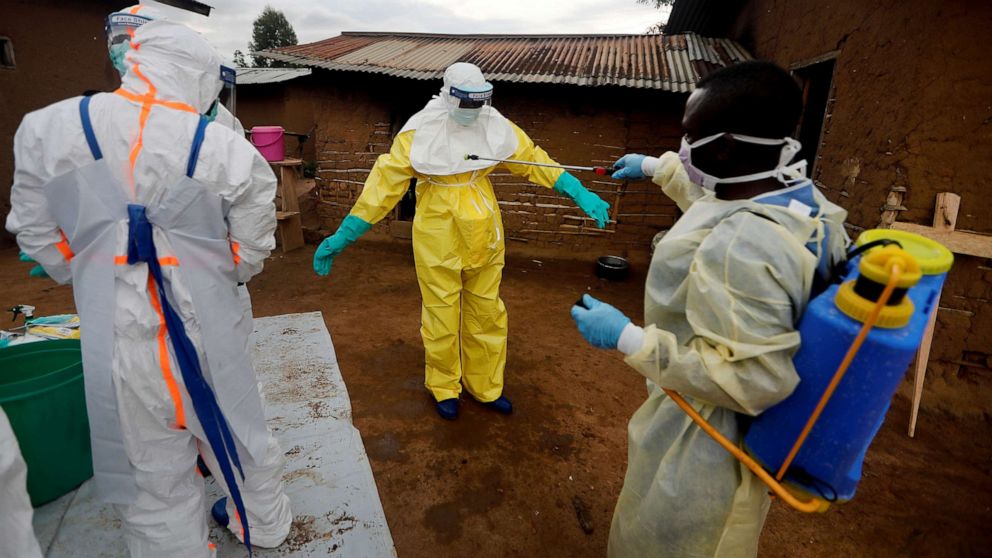
They also noted that limited access to treatment and challenges in stopping transmission are making the situation tougher. These issues show the need for better surveillance, quick response actions, and early treatment to stop the spread.
As of September 7, the DRC has reported 6,757 confirmed Ebola cases from the Bundibugyo virus, with 3,267 deaths. This gives a case fatality rate of 48.3 percent, according to the WHO.
Challenges of the Outbreak
This latest news comes just weeks after the WHO called this outbreak the second largest Ebola outbreak ever recorded. At that time, there were 4,449 confirmed cases across 53 health zones in five provinces.
The WHO also cautioned that this outbreak is spreading faster than past Ebola outbreaks at the same stage. It could even surpass the 2014, 2016 West African outbreak, which is the largest Ebola outbreak recorded.
This outbreak is caused by the rare Bundibugyo type of Ebola virus. Unlike the Zaire type, which has caused many past outbreaks and has a vaccine called Ervebo, there is no approved vaccine for Bundibugyo virus disease.
In August, the WHO reported that many cases are being found in communities instead of treatment centres and outside known contact lists. This suggests that some transmission chains are still unidentified.
The WHO said their response includes contact tracing, treatment centres, safe burial teams, laboratories, and community engagement activities. They stressed that the ongoing spread of the outbreak shows the need to improve surveillance and ensure early detection and treatment, especially in affected communities and healthcare facilities.



Drop your comment
No comments yet — be the first to drop the gist 👇