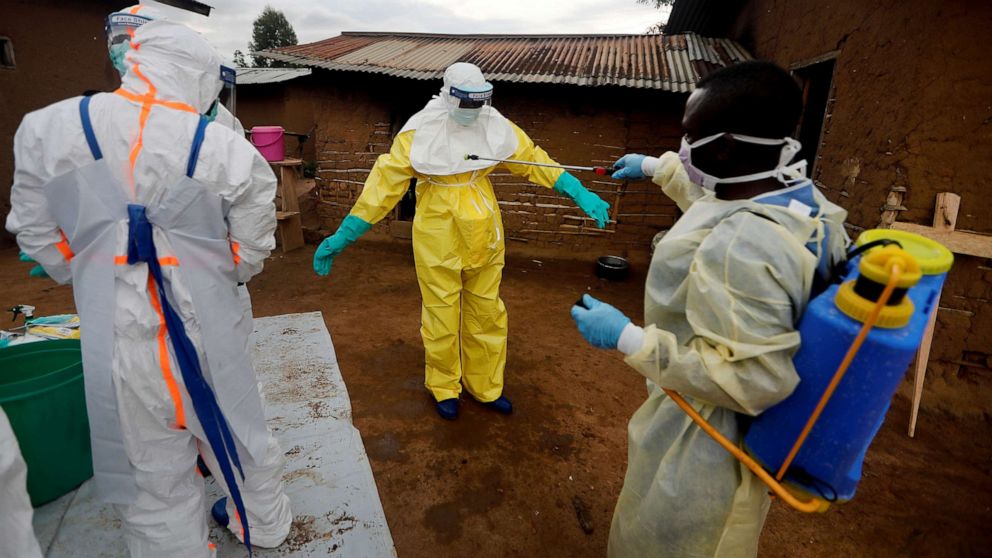
The Bundibugyo Ebola outbreak in the Democratic Republic of the Congo (DRC) and Uganda is a serious public health issue for the Great Lakes region. Though it is smaller than the 2014-2016 West Africa Ebola outbreak, past experiences show how quickly local outbreaks can grow when action is slow and health services are under pressure.
The main focus right now is to contain the outbreak. If the spread is not controlled, more people will die and the economy will suffer due to lower productivity, increased costs for the government, and disruptions to trade and investment.
As of 7 July, the DRC reported 1,759 confirmed cases and 600 confirmed deaths from Ebola, while Uganda had 20 confirmed cases and two deaths. We should be careful with these numbers since remote areas might not report all cases.
No confirmed cases have been found in nearby Rwanda or Burundi. Still, both countries are monitoring the situation closely because of their connections to eastern DRC, especially through the Goma-Rubavu border.
Ebola outbreaks can disrupt healthcare services and weaken health systems. When resources are redirected to handle emergencies, care for other diseases may suffer. This can lead to a rise in cases and deaths from other illnesses, reversing progress made and putting extra strain on health systems. This highlights the need for quick action.
In June, the Institute for Security Studies African Futures and Innovation (AFI) programme looked at the impact of a 'Containment' scenario compared to the 'Current Path' forecast. The International Futures modelling platform includes Ebola in its 'other communicable diseases' category for analysis.
The AFI report shows that on the Current Path, deaths could hit 3,360 in the DRC and 520 in Uganda by the end of 2026. In contrast, the Containment forecast predicts 490 deaths in the DRC and 30 in Uganda. The actual number of Ebola deaths is already above the Containment forecast, showing how serious the situation is. By 2027, these numbers could rise to about 4,340 additional deaths in the DRC and 750 in Uganda.
While these figures are far lower than the 2014-2016 West Africa Ebola epidemic, which caused around 11,325 deaths, they show the risks of waiting too long to intervene.
To effectively contain the outbreak, public health spending needs to rise significantly. This will help improve disease surveillance, testing, treatment facilities, community outreach, and emergency responses. These actions will not only limit the spread of the virus but also help rebuild public trust and keep the economy active.
AFI’s Containment scenario suggests that health spending in 2026 should increase to at least US$1.82 billion in the DRC and US$1.17 billion in Uganda. This is over US$540 million more than what is expected under the Current Path in the DRC and US$170 million in Uganda. In total, at least US$710 million in extra health funding is needed to control the outbreak effectively.
The benefits of acting early would be huge in terms of lives saved. Quick containment is also cheaper than dealing with a larger, harder-to-manage outbreak later on.
The estimated funding requirement aligns with the US$518 million emergency appeal made by the United Nations and humanitarian partners on 5 June. Some governments and partners have already promised support, but emergency funding is often slow and temporary.
This outbreak shows the need for better investment in preparing for epidemics, improving surveillance, lab systems, community health workers, and response capabilities.


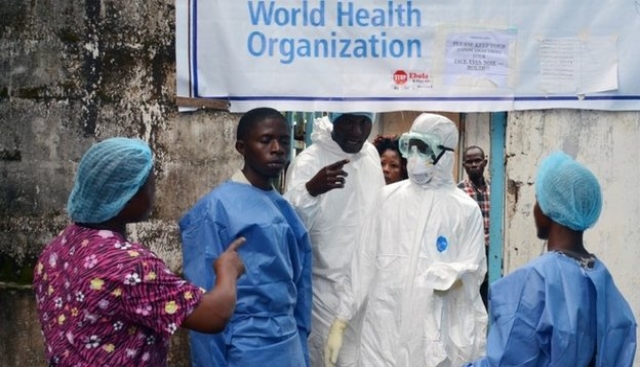
But spending more on health should not mean cutting back on other priorities. African governments often have to take money away from education, social security, food security, and infrastructure during crises. This can hurt long-term development and place more pressure on vulnerable people.
The challenge is to find emergency funding while also securing flexible resources that let governments respond without neglecting wider development goals.
Ebola can also make people hesitant to participate in the market due to fear of infection. Border closures, less travel, and transport disruptions affect trade, services, and farming. These impacts are especially significant in the Great Lakes region, where people depend on cross-border economic and social connections. If containment is delayed, the region could see more deaths from communicable diseases and slower economic growth.
Often, economic activity does not stop entirely but shifts to informal channels as families try to protect their incomes.
As informality increases, governments collect less revenue from customs, taxes, and other sources.
AFI modelling predicts that in 2026, the DRC could lose about US$70 million and Uganda around US$60 million in government revenue because of reduced formal economic activity and the costs of handling the outbreak. Both governments are already feeling pressure to fund emergency health measures while maintaining important development spending.
Four main takeaways come from these findings.
First, acting quickly to contain the outbreak would be much cheaper than letting it grow out of control. Fast action saves lives, reduces economic impact, and lowers long-term costs. Second, emergency health funding must be raised quickly and should be separate from regular development resources.
Third, responses should aim to protect jobs and formal economic activity, especially in border areas that depend on trade and movement.
Finally, this outbreak shows why investing in strong health systems before crises hit is so important. Good surveillance, lab systems, community health workers, and cross-border preparedness are the best defenses against future outbreaks.
The African Development Bank and other partners can help with fast funding, support health system strength, and improve regional preparedness. Preparing for epidemics should be seen as a health issue, and also as a matter of development, fiscal stability, and regional resilience.


Drop your comment
No comments yet — be the first to drop the gist 👇