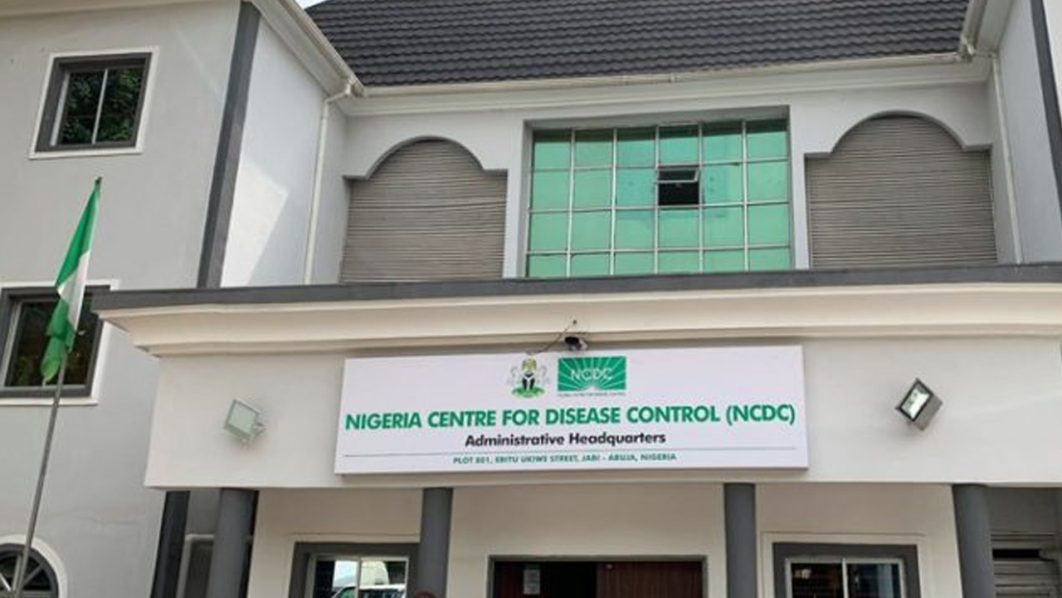
The Nigeria Centre for Disease Control and Prevention (NCDC) has warned that spreading false information could harm Nigeria’s fight against Ebola. They say that misinformation can create fear, stop people from reporting symptoms, and weaken public cooperation.
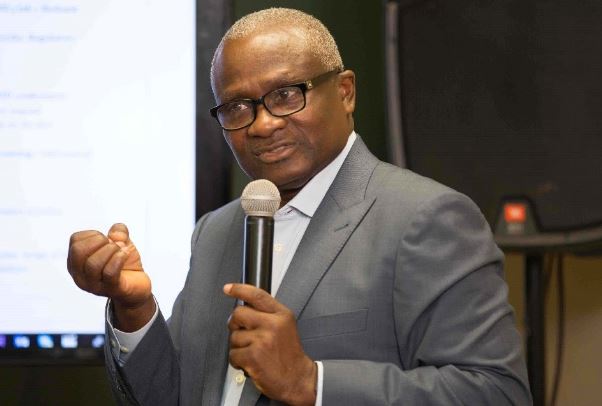
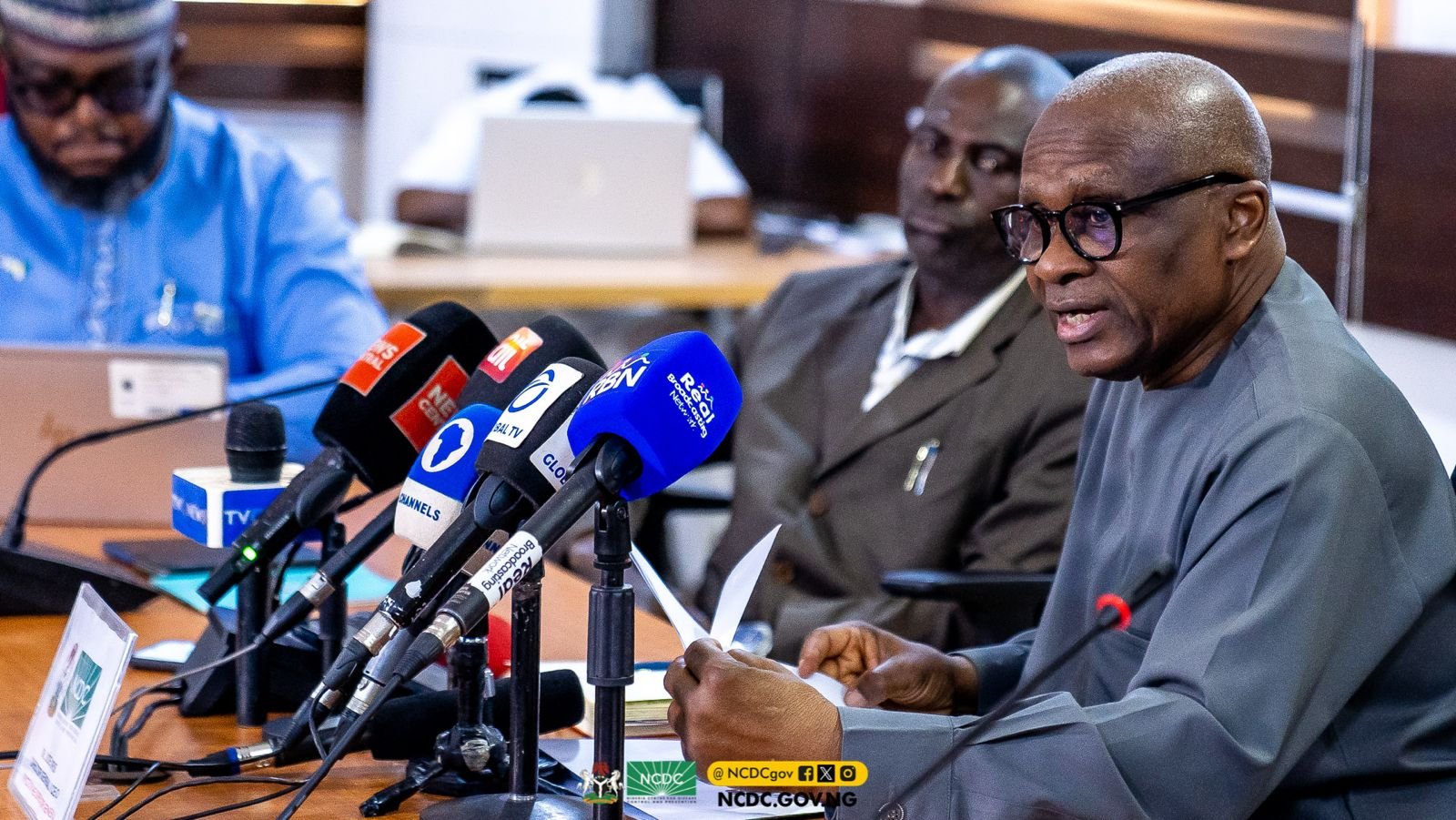
The Director-General of the NCDC, Jide Idris, shared this message at a briefing in Abuja on Sunday. He gave an update on Nigeria’s response to the confirmed Ebola case in the Federal Capital Territory (FCT).
Mr Idris urged Nigerians to trust verified information from the NCDC, the Federal Ministry of Health and Social Welfare, and other official health bodies. He asked people not to share unverified claims.
He mentioned that the NCDC is working to improve community engagement, manage rumors, and communicate risks. He promised that regular updates would be shared as new verified information becomes available.
“False information can create fear, discourage people from reporting symptoms and undermine the cooperation essential to stopping transmission,” he stated.
He also encouraged Nigerians who are contacted by health officials to work with contact-tracing teams. They should provide accurate details about their movements and any symptoms they may have had.
This warning comes as Nigeria ramps up efforts to stop further spread after confirming its first Ebola case in over ten years on 20 October.
As reported by PREMIUM TIMES on Sunday, the NCDC has identified 53 primary contacts linked to this confirmed case. These include healthcare workers, the patient’s domestic staff and spouse, as well as health personnel who took samples from the patient.
Mr Idris explained that public health teams are monitoring these contacts. They have listed and categorized them based on their level of exposure.
As of Sunday’s briefing, none of the identified contacts had tested positive for Ebola or shown symptoms, he said.
The NCDC is tracking these contacts for 21 days after their last possible exposure. They are also boosting surveillance, laboratory capacity, and measures for infection prevention.
Mr Idris called on both public and private healthcare facilities to enhance screening, triage, and infection control. He emphasized that healthcare workers must have adequate personal protective equipment.

He added that suspected cases need to be quickly separated from other patients and reported to public health authorities. This should happen without delay, even before laboratory tests confirm the cases.
Mr Idris said Nigeria is learning from the 2014 Ebola outbreak, which was successfully contained through early detection, contact tracing, coordination, and public cooperation.
He stressed that this fight requires the involvement of individuals, families, communities, healthcare institutions, and other partners. He pointed out that government action alone is not enough.
Mr Idris urged Nigerians not to stigmatize patients, contacts, healthcare workers, or affected communities. He asked everyone to follow the guidance from authorized health agencies.
This outbreak comes as the Bundibugyo strain of the Ebola virus spreads in parts of Africa.
The World Health Organisation (WHO) reported that as of 20 October, the DRC had 9,704 confirmed cases and 4,687 deaths across eight provinces.
Kenya has reported nine cases, including one death, while Uganda was affected but is now declared Ebola-free.
Nigeria confirmed an imported case on 20 October involving a patient who had traveled from Uganda.
The Bundibugyo virus is different from the Zaire species responsible for the 2014 West African Ebola outbreak. Currently, there is no vaccine approved specifically for the Bundibugyo strain.
Health authorities emphasize that early detection, isolation, contact tracing, and infection prevention are essential to stop further spread.

Drop your comment
No comments yet — be the first to drop the gist 👇