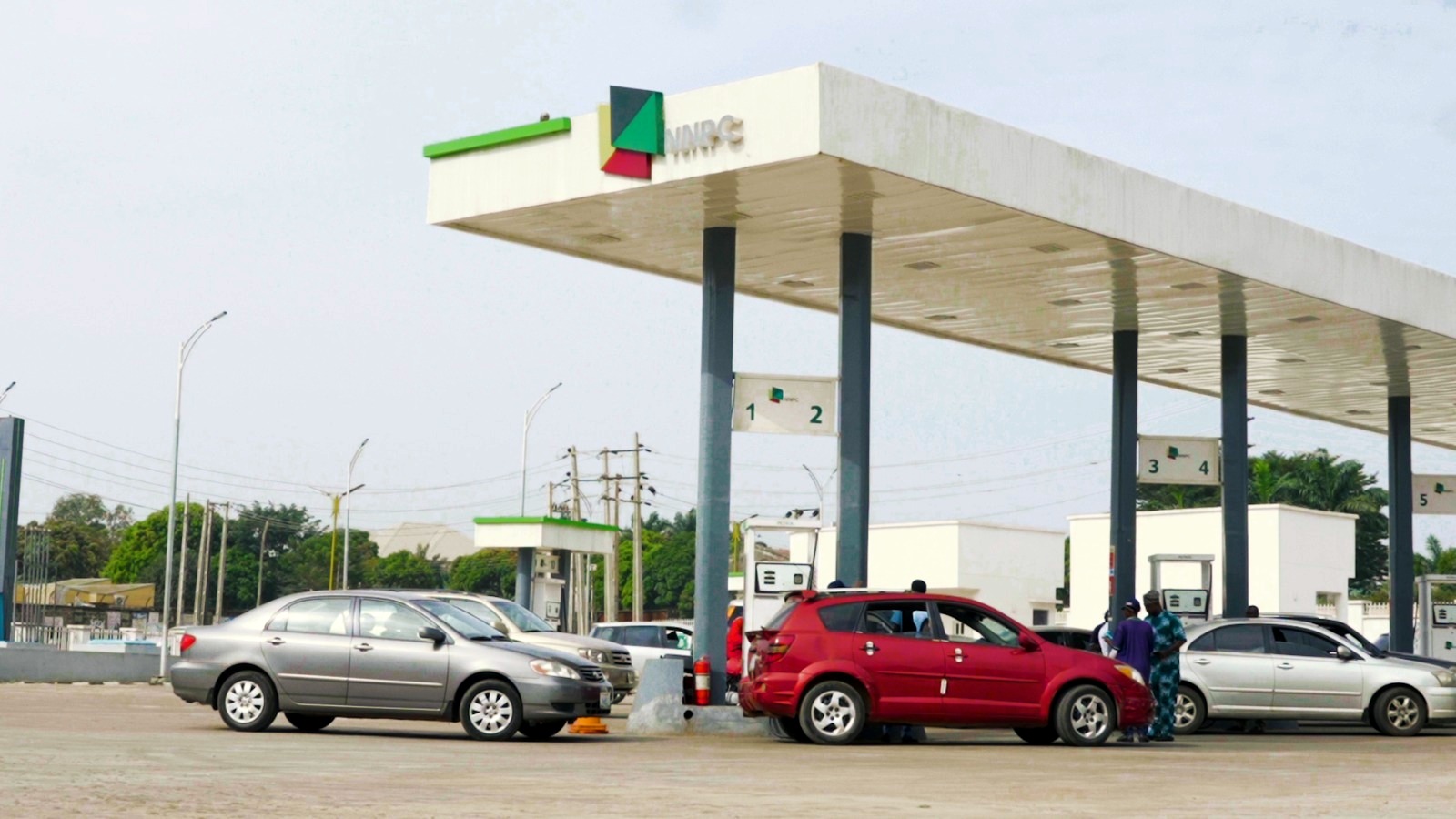
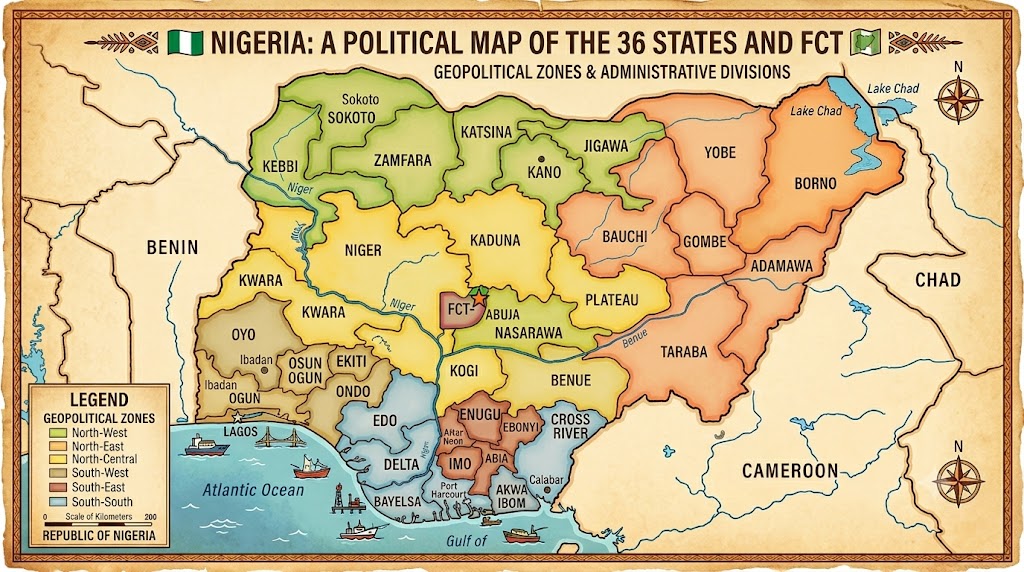
Residents of Zaria Local Government Area in Kaduna State are unhappy with how the federal government's petrol price cut at Nigerian National Petroleum Company Limited (NNPC) stations has affected them. They feel the change has not helped ease the rising cost of living.
In chats with PREMIUM TIMES Hausa, commercial drivers, motorcycle and tricycle operators, traders, and other locals said the price cut has not brought any real relief for families and businesses dealing with high transport costs, expensive food, and low purchasing power.
While some people noticed the price drop, others said the difference was too small to make a real impact on their daily spending.
Some residents also doubted whether the relief was being applied fairly across all filling stations.
These complaints show the struggle to turn a temporary drop in fuel costs into lasting economic relief, especially for low-income families and small businesses that rely heavily on petrol for transportation and generators.
Commercial drivers say they are not seeing benefits
For commercial drivers, who spend a big part of their earnings on fuel, even a small price drop could help.
Yet, Danlami Garba-Dan Kabo, a commercial driver in Zaria, said he hasn't felt any real benefit, even though he buys petrol at an NNPC station in Dakatsalle.
Mr Garba-Dan Kabo prefers to buy fuel from private stations because he sees little difference in prices.
"The price reduction is supposed to help the poor, but we are yet to benefit from this relief, especially those of us who are drivers," he said.
He added that high petrol costs make it hard for commercial drivers to earn enough to take care of their families.
He mentioned that some drivers might go two or three days without working because they can't afford to operate their vehicles.
"Some drivers have two or three wives and children to care for, yet they spend two to three days without work because of the high cost of petrol in the country," he said.
Motorcycle and tricycle operators want more cuts
Commercial motorcycle and tricycle operators also said petrol prices are a big burden for their businesses.
Idris, a motorcycle rider in Zaria, urged the government to cut petrol prices further, saying the current drop hasn’t given enough relief to those who rely on daily earnings.
Sanin Mallan, a tricycle operator known as a Keke NAPEP rider, said he often buys petrol from NNPC stations because he trusts the fuel quality.
But he mentioned the price is still high and called on the government to bring down prices even more.
The stories from transport operators show that high fuel prices affect not just petrol buyers but also passengers who need commercial vehicles for work, school, and markets.
Traders feel the pinch from fuel costs
Beyond transport, traders in Zaria say the high cost of living is hurting consumer demand, making it tough for businesses to sell goods.
Alhaji Dahiru, a retailer at Sabon Kasuwa market, said high petrol prices have pushed up commodity prices and cut down on his customers’ buying power.
He explained the situation by comparing prices of parboiled rice over the past five years.
He said a tier of parboiled rice that used to sell for ₦450 to ₦500 about five years ago rose to ₦7,500 before falling to ₦3,500.
Recently, the price climbed again to ₦4,500 per tier, while local rice now goes for ₦3,800 to ₦4,000 per tier.
Mr Dahiru said the high cost of essential goods means many customers can't buy as much food as they used to.
He shared that some days he spends over 24 hours in his shop without selling a single bag of parboiled rice.
This shows the wider struggle small retailers face when customers cut back on spending because they can't keep up with rising prices.
Some residents welcome the cut, but want more
Not all residents are unhappy with the petrol price cut.
Hamisu Sani, chairman of a cooperative car wash in Zaria, praised the price drop and noted that petrol at NNPC stations has gone down from ₦1,423 to ₦1,379 per litre.

He hopes the government will keep up policies that help low-income earners.
But Suleman Abba-GT, a mobile phone seller at PZ in Zaria, said the cut hasn’t offered the relief many people need.
He believes a real reduction should significantly lower what consumers spend on petrol.
"The reduction in petrol prices should be significant enough to make a real difference. For instance, if it costs ₦50,000 to fill your tank, the cost should be reduced to at least ₦40,000 or ₦30,000," he said.
His view shows what many consumers expect, that a small cut in fuel prices won't balance the rising costs of transport, food, and household expenses.
Different prices at filling stations
To check how the price cut is being applied, we visited several NNPC and private filling stations in Zaria to look at petrol availability and compare prices.
The visits showed different prices across the stations, leading to questions about how well the price drop has been put into action.
At the former NNPC station at Danmagaji Market, now run by Eterna, petrol was selling for ₦1,410 per litre. Customers, including commercial drivers and riders, bought fuel there. Some said they think the petrol is good quality.
At Shafa Filling Station near the Kwangila flyover, a staff member, who asked to remain anonymous, said petrol was sold for ₦1,430 per litre. He noted customers often complain about the price and hope it drops.
At the NNPC station in Randan Kano, Zaria, petrol was at ₦1,379 per litre. A staff member there was unaware of the government’s price cut and couldn't confirm if the station was selling fuel at the new rate.
At the NNPC station in Silver, Samaru, petrol was priced at ₦1,414 per litre.
A staff member there, who also asked for anonymity, confirmed he knew about the price-reduction plan but claimed it had not yet been fully implemented at that station.
"Some time ago, some people came to the station, took photographs and conducted inspections intending to implement the reduced petrol price. However, the reduction has yet to be implemented at this station," he said.
But Samuel Omata, manager of the NNPC station in PZ, Zaria, said his station has followed the reduced price since 8 October.
Mr Omata explained that customers can access the discount by downloading an app developed by NNPC and transferring money from their bank accounts into its wallet to pay for petrol.
He said customers get a discount of ₦66 per litre, which increases with how much petrol they buy.
The different prices noted at the stations and the various accounts of how the cut is being implemented suggest consumers may not be experiencing the same level of relief everywhere.
But the visits provide prices at the time of reporting and do not show how well the policy is being followed nationwide.
Why the government made the price cut
The petrol price cut came after the federal government announced that NNPC Retail would drop its retail profit margin and sell petrol at cost for 30 days to help Nigerians cope with rising international crude oil and refined product prices.
PREMIUM TIMES previously reported that Bayo Onanuga, spokesperson to President Bola Tinubu, shared this news, which the president supported.
Under this arrangement, NNPC Retail was supposed to sell petrol at its landing cost, not adding its usual profit margin. For example, if the landing cost was ₦1,300 per litre, the company would sell it at that price.
The Presidency mentioned this plan was part of measures announced by Finance Minister Taiwo Oyedele to ease the burden of rising international oil prices on Nigerians, especially vulnerable households.
This policy aimed to give temporary relief by lowering how much consumers pay for petrol at participating NNPC stations.
Residents want more consistent relief
The residents we spoke to want further cuts in petrol prices and more consistent application across filling stations.
Their responses also highlight a bigger worry: lowering petrol prices does not automatically mean lower food costs, cheaper transport fares, or better household purchasing power.
For residents already struggling to meet basic needs, how much relief they get will depend on how big and lasting the savings are, how consistently the policy is applied, and whether lower fuel costs lead to lower expenses in other areas.
In Zaria, many people said the price cut has yet to make a big difference in their everyday lives.
Drop your comment
No comments yet — be the first to drop the gist 👇