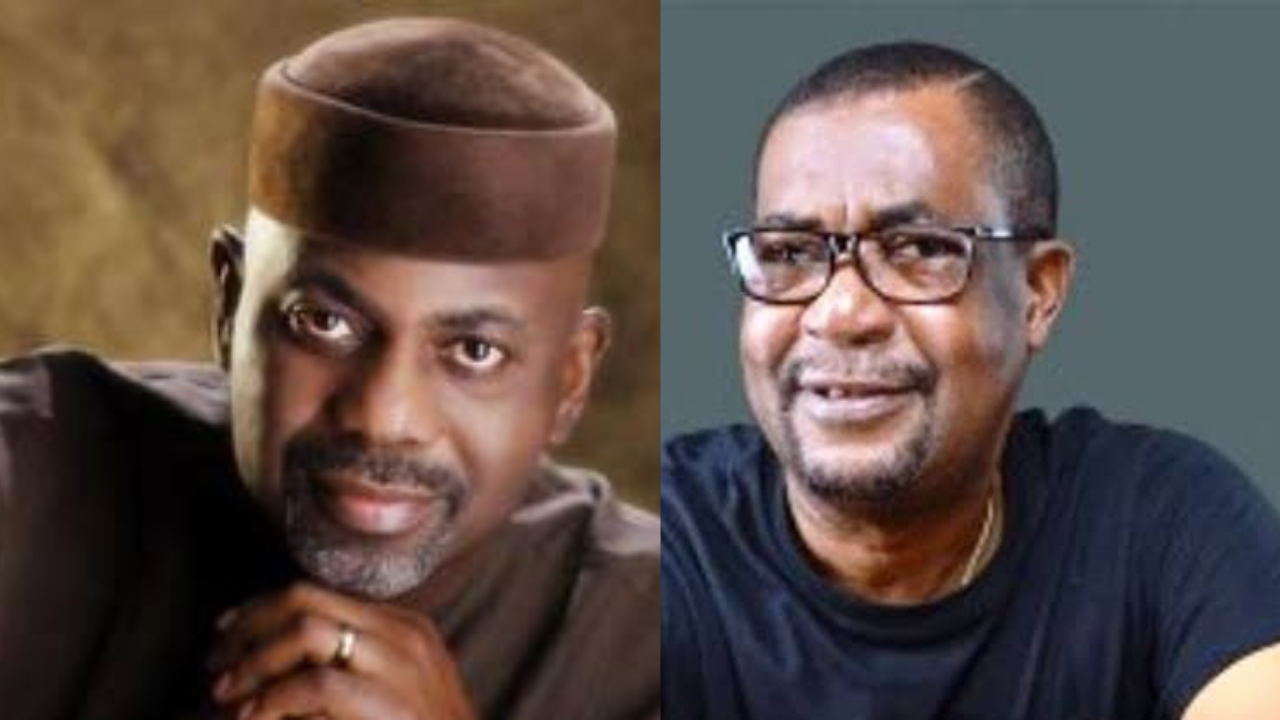
The Economic and Financial Crimes Commission (EFCC) will bring in former Cross River State Governor Liyel Imoke as a witness in the trial of former Minister of Power and Steel, Olu Agunloye. This trial is about corruption related to the 2003 award of the Mambilla Hydropower Station contract.
Mr Imoke was in court on Monday to testify, but he could not because the defence team raised an objection.
The defence argued that Mr Imoke should not testify until they received the summary of his statement from the prosecution.
Trial Judge Jude Onwuegbuzie agreed with the defence and postponed the trial. He told the EFCC to serve the necessary document to the defence team.
Mr Imoke took over from Mr Agunloye as power minister in July 2003 and worked until January 2007 during former President Olusegun Obasanjo’s time in office.
He then became the Governor of Cross River State in May 2007 and served until May 2015.
The EFCC has listed Mr Imoke as a key witness against Mr Agunloye. The former minister faces seven charges, including disobeying a presidential directive, conspiracy, forgery, and receiving bribes.
These charges relate to the $6 billion contract for the Mambilla Hydroelectric Power project awarded in May 2003.
The project was supposed to generate 3,050 MW of power in Kakara village, Taraba State, but it never happened.
The prosecution claims that Mr Agunloye ignored a presidential directive from 2003 during a Federal Executive Council meeting about the contract.
He is accused of signing a letter “addressed to Sunrise Power and Transmission Company Limited”, which wrongly stated that the government approved the construction of the 3,960 megawatts Mambilla Hydroelectric Power Station.
The EFCC also claims Mr Agunloye worked with Leno Adesanya, who is currently on the run, to fake a document titled “Construction of 3,960MW Mambilla Hydroelectric Power Station on a Build, Operate and Transfer Basis” in 2003.
Other accusations include taking over N5 million in bribes from the company and Mr Adesanya.
Mr Agunloye has denied all seven charges.
Imoke’s testimony stalled
On Monday, the EFCC tried to present Mr Imoke as its sixth witness. The EFCC’s lawyer, Abba Muhammed, a Senior Advocate of Nigeria (SAN), informed the court that they had filed 11 new documents as evidence and served them to the defence team.
He said they were ready to call their next witness.
But defence lawyer Adeola Adedipe, also a SAN, objected. He said the defence had not received the summary of the proposed witness’s statement.
He cited Section 379(1)(a)(i)(ii) of the Administration of Criminal Justice Act (ACJA), 2021, and Section 36(6) of the Nigerian constitution to support his objection.
Mr Adedipe argued that the prosecution must give the defendant all necessary facts for his defence and enough time to prepare.
He said despite repeated requests, the prosecution had not revealed who their next witness would be, leaving the defence in the dark.
Mr Adedipe claimed Mr Imoke’s sudden appearance was meant to catch the defence off guard.
He insisted that there is a difference between a list of exhibits and the summary of witness statements under Section 379 of the ACJA.
He explained that an exhibit cannot replace the summary of a witness’s statement.
He urged the court to direct the prosecution to file the summary of Mr Imoke’s statement and serve it to the defence.
In response, Mr Muhammed said the prosecution followed all legal requirements.
He added that the witness was listed among other prosecution witnesses in the first proof of evidence dated 27 September 2023, including a summary of their expected testimony.
He noted that some witnesses listed in the proof of evidence had already testified.
Mr Muhammed pointed out that certain documents submitted through a previous witness included the summary of Mr Imoke’s statement.
After hearing both sides, Justice Onwuegbuzie ruled that the prosecution should provide the summary of its witnesses to the defence.
He ordered the EFCC to file the summary of Imoke’s statement and serve it to the defence team.
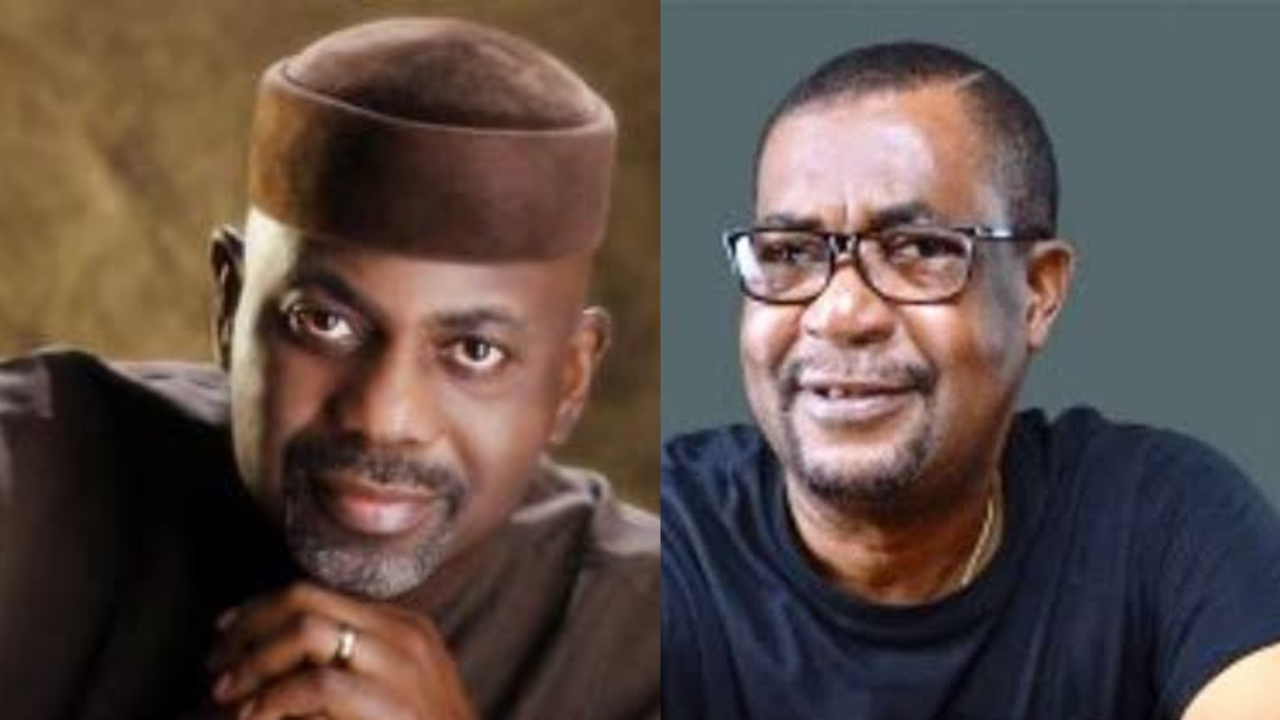
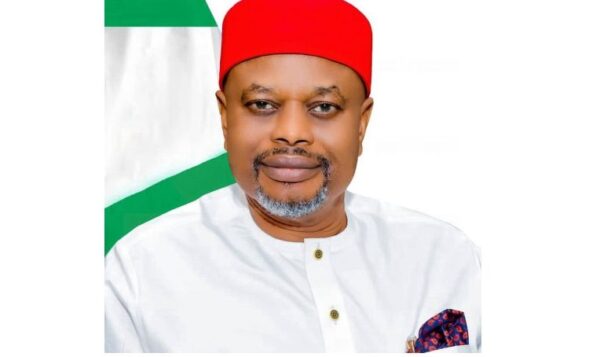
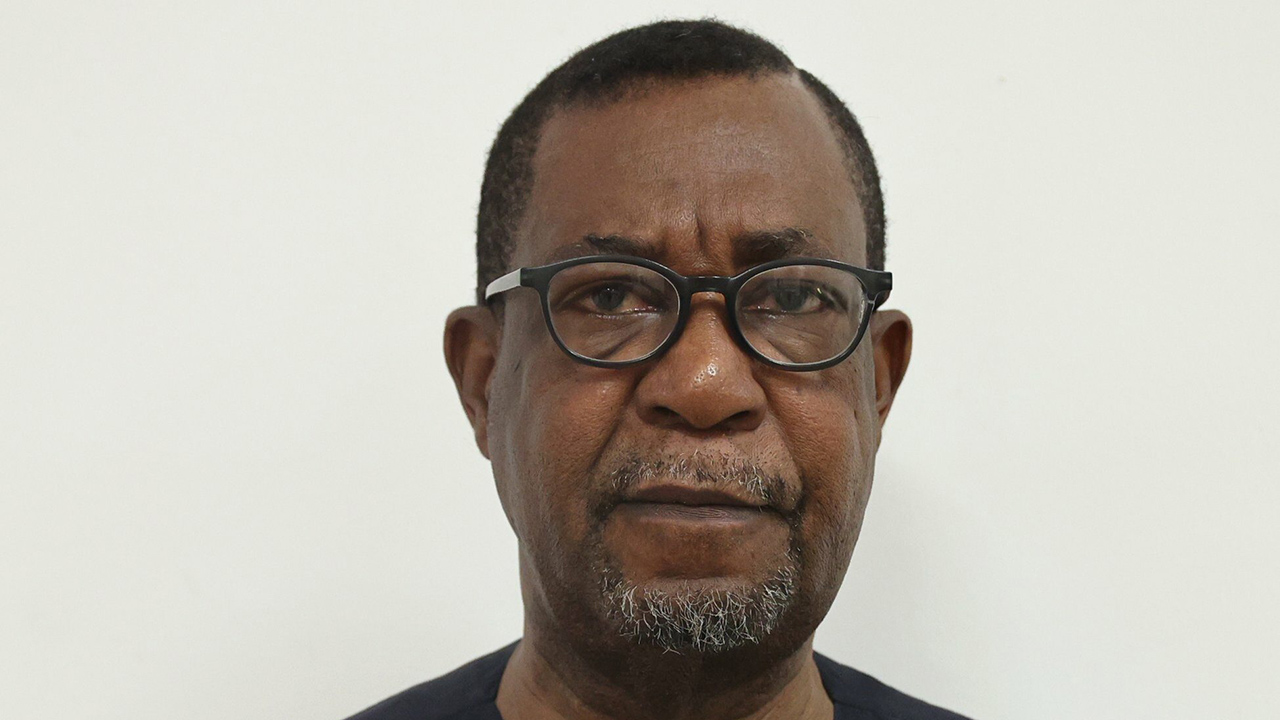
The court then adjourned the case until 19 October.
Background
The anti-corruption agency re-arraigned the former minister before Judge Jude Onwuegbuzie at the Federal Capital Territory (FCT) High Court in Apo, Abuja.
He was re-arraigned on seven counts of forgery, receiving bribes, and disobeying presidential directives.
He pleaded not guilty to all seven counts when they were read to him again on Thursday.
The re-arraignment followed a new amendment of the charges. This amendment does not change the case for the prosecution.
The EFCC first charged Mr Agunloye in January 2024.
After amending the original charges less than a month later, the EFCC re-arraigned him on 3 February 2024.
They re-arraigned him again on 18 September 2025, after further changes to the charges.
The EFCC has already called six witnesses in this trial.
The trial has raised issues about the minutes of the 21 May 2003 Federal Executive Council (FEC) meeting. This meeting is where the then-president allegedly gave the directive about the Mambilla power project that Mr Agunloye is accused of ignoring.
The prosecution previously submitted the minutes, which came from the Office of the Secretary to the Government of the Federation (SGF), as evidence in the trial.
Umar Babangida, an EFCC investigator, testified as the third witness. He said last year that Mr Obasanjo was interviewed about the case.
He mentioned a letter from November 2023 where Mr Obasanjo said he was ready to testify about the Mambilla Hydroelectric Power project when needed.
But the prosecution has not confirmed if Mr Obasanjo will be a witness.
In December 2023, the EFCC declared Mr Agunloye wanted over this case.
The next day, he went to the EFCC for questioning about the failed multibillion-dollar project.
Mr Agunloye later filed a suit against the EFCC, claiming his rights were abused.
In March 2024, the Federal High Court in Abuja dismissed this suit.
Earlier this month, Mr Agunloye won a libel case against the EFCC over how the agency described the trial in a publication.
In this case, Judge Peter Kekemeke found the EFCC guilty of defaming Mr Agunloye in its publication about the trial.
The judge ordered the EFCC to pay N10 million for posting a libelous article about Mr Agunloye.
The judge said, “EFCC failed to prove the truth in the said publication.”
But the EFCC has appealed the judge's decision.
Controversial contract
The project was first awarded in 2003 to Sunrise Power and Transmission Limited by the Obasanjo administration. It has been in legal disputes for years, now under international arbitration between the company and the Nigerian government.
Mr Obasanjo accused Mr Agunloye in 2023 of fraudulently giving the contract to the company without approval.
Mr Agunloye denied this, saying he is being used as a scapegoat to avoid punishment for not following the contract agreements on the project.
The project was meant to produce 3,960 megawatts of electricity, and it was supposed to be done on a build, operate, and transfer basis.

Drop your comment
No comments yet — be the first to drop the gist 👇