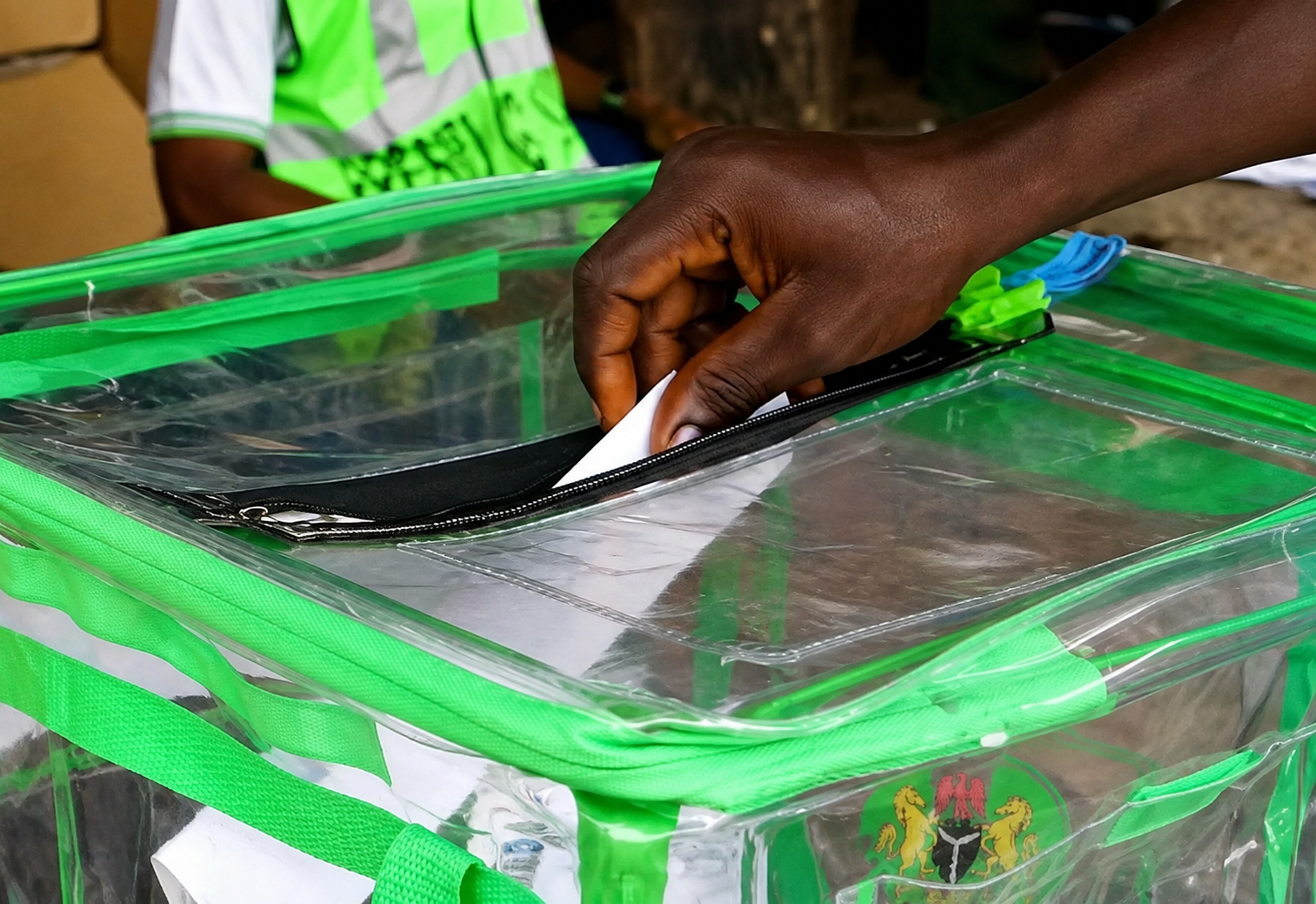
As the 2023 election approached, Prodigy Dan, a young Nigerian, believed that many people voting would lead to better governance. He encouraged his friends to get their Permanent Voter Cards (PVCs) so they could vote.
But after waiting in long lines and spending hours at polling stations, only to see his choice lose, Mr Dan started to wonder if voting was worth it.
“With how everything emerged in the last election, I feel like there’s one side of me that really doesn’t want to vote (again), because at the end of the day, it might not just count,” he told Campus Reporter.
Voter Disengagement Among Undergraduates
This feeling is common among Nigerian university students, according to a survey by Campus Reporter.
The report looked at 222 students from 34 universities and found that 52.1 percent were not registered to vote. The survey, done just before the voter registration deadline, revealed that 59 percent of respondents aged 18 to 21 had not signed up to vote.
The study pointed out that issues like lack of transparency in elections, strict registration rules, and low youth representation in politics are making young people less likely to participate.
The main reason, according to 31 percent of respondents, for them to vote would be “greater transparency.” Other reasons included easier registration, more youth in politics, better voter education, and less election violence.
These findings show that many young Nigerians are not indifferent to voting but feel disappointed by a system they see as unclear and ineffective.
Distrust in Electoral System
Emmanuella Balogun, a student at Kwara State University (KWASU), turned 18 earlier this year during voter registration. But she chose not to register because she doesn’t trust the electoral commission to run fair elections.
She said she has seen corruption in past elections and lost faith in the process.
“I think my vote is very important in influencing decisions that affect other young people and me. I just don’t think it is acknowledged here in Nigeria,” she said.
Glory Eze, who is in her mid-twenties, also did not vote in the last elections. She cited electoral violence and the lack of good governance as her reasons for staying away from the polls.
“People vote, and then nothing changes, and the fact that people go out to vote and are injured. They’re not secure going out to vote,” she said.
Kemisola Aboluwade, in her late twenties, shared that she feels disillusioned because elected leaders often do not keep their campaign promises.
“It’s so sad that year in, year out, things are getting worse because expectations are not being fulfilled,” Ms Aboluwade said.
According to Nurudeen Akewushola, a senior journalist at the ICIR, the disputes from the 2023 elections have discouraged many young people from future participation.
“People expected that they would be seeing the results as they were counting the votes in real time during the 2023 elections,” Mr Akewushola said.
Amina Miango, the Programme Manager at the Centre for Journalism Innovation and Development (CJID), stated that young Nigerians do not trust the electoral process.
“Young people have a suspicious view of the electoral process. They have a bad image of what INEC, the judiciary, and the police stand for, and those are major institutions in any election,” she said.
But Ms Miango highlighted that young Nigerians need to actively participate in elections.
“Young people themselves need to take responsibility,” she said. “If you have registered, take steps to get your PVC when it becomes available. Pay attention to when election day is, listen to the issues and educate yourself about the electoral process.”
Echoing Ms Miango’s view, Ufuoma Nnamdi-Udeh, Executive Director of Enough is Enough (EIE) Nigeria, urged young Nigerians not to withdraw from voting due to past experiences.
“When your preferred candidate does not win, it does not mean you disengage from the process. It is engaging the process that makes it better,” she said.
Ms Nnamdi-Udeh also encouraged young people to seek political power and get involved in decision-making after elections, rather than waiting for current leaders to hand it to them.
“We (youths) live longest with the consequences of bad leadership and bad governance in Nigeria…If you love your life, I think that you should collect your PVC and then come out for elections as well,” she added.
“Politics is expensive, but young people can pool resources to support candidates who demonstrate competence and capacity.”
How Election Irregularities Push Young People Away
Nigeria’s elections often come with problems that leave voters feeling like their votes did not count. The last general election faced many challenges.
Before the election, the Independent National Electoral Commission (INEC) introduced new technologies that gave voters hope for fair and transparent results. Yet, issues with the Bimodal Voter Accreditation System (BVAS) and the INEC Results Viewing (IREV) portal made many voters lose confidence in the process.
The IReV, which was meant to show election results immediately, was down for hours after voting ended.
In its post-election report, INEC admitted that a major issue affecting public trust was the failure to upload polling unit results for the presidential election to IReV immediately after the polls closed on Saturday, 25 February 2023.
The electoral commission explained that the problems with uploading scanned images of polling unit results were due to issues within the system that were hard to predict and fix.
Violence, delays in providing materials, and late starts also led to many voters being unable to vote.
The survey results come as voter turnout has been steadily dropping.
In 2011, 53.7 percent of registered voters made it to the polls. This dropped to 43.7 percent in 2015 and further down to 34.75 percent in 2019.
Despite having a record 87 million eligible voters, the 2023 elections recorded the lowest turnout ever, with only 27 percent participating. This is Nigeria’s lowest voter turnout in over 40 years.
These issues have also changed how young Nigerians see future elections.
In the last general election, young Nigerians aged 18 to 34 were the largest group of eligible voters, making up nearly 40 percent. Winning their trust in the election process is key to improving voter turnout in the country.
Rebuilding Trust Requires More than Voter Registration
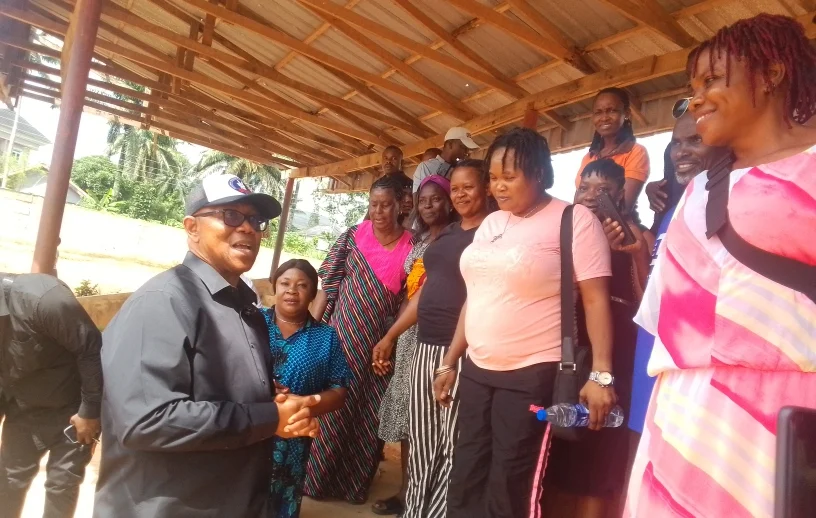
INEC’s Deputy Director for Voter Education and Publicity, Paula Iwenjiora, mentioned that the electoral commission is trying to regain young people’s trust by improving its processes for real-time results updates.
Mrs Iwenjiora added that INEC is partnering with universities to encourage more people to vote and is starting INEC clubs in some secondary schools to build awareness early.
She said that digitising voter registration and allowing the use of downloaded PVCs are part of INEC’s efforts to boost participation.
“INEC has upgraded and is still upgrading, and we are watching to ensure that what is uploaded on IREV from different polling units corresponds with BVAS records,” she said.
But other stakeholders believe INEC needs to do more.
Aanuoluwapo Kukoyi from Yiaga Africa said that awareness about elections should happen all year round since new voters turn 18 and fresh information comes out.
“We should take civic education down all the way to nursery and primary schools. So people understand the process before they become eligible to vote,” Ms Kukoyi said.
She stressed that the media should also help by providing consistent civic education.
Ms Nnamdi-Udeh urged Civil Society Organisations and Government Institutions to rethink their civic education methods, involve youths in designing these programs, and focus on initiatives that immerse young Nigerians in governance.
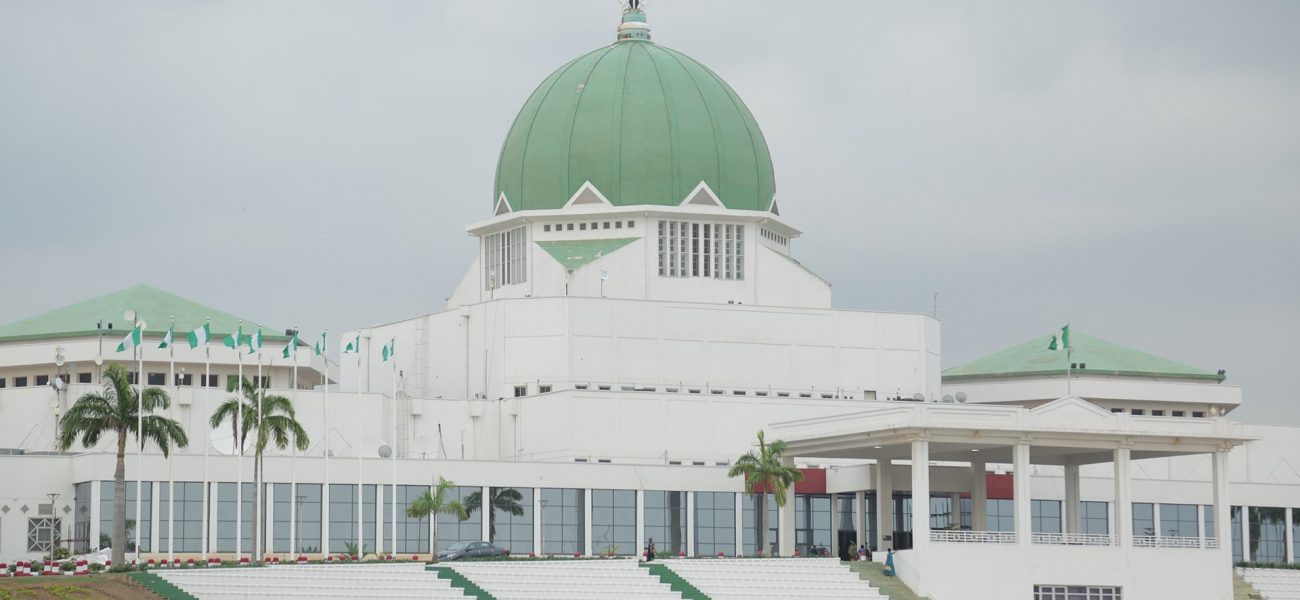
“We can have bootcamps, fellowships, and activities where they are not just hearing about the things that they can do, but they also get to do stuff that help them understand the processes, like engaging the National Assembly,” she said.
Young Nigerians Remain Hopeful
Though young Nigerians have shown distrust in the electoral system, some still hold on to hope that their votes will count one day.
Mr Dan, for example, plans to vote in the 2027 elections despite his doubts about the system.
“To be honest, I’m just going to do it because I feel like it’s my civic duty, right, but based on what I feel as a Nigerian, right, I don’t feel motivated,” he said.
Ms Eze also intends to vote for the first time in 2027, despite feeling discouraged by past electoral violence.
“I’m hopeful that the coming election will be different and will help us achieve a lot,” she said.
Ms Balogun said she would be encouraged to vote in future elections if “political parties and their members stop manipulating elections, electoral bodies maintain integrity and fairness, and if there is more enlightenment on registration and voting processes.”
Mr Alli said he would be willing to vote if he sees “an electoral system that works and is fair and transparent.”
Drop your comment
No comments yet — be the first to drop the gist 👇