
As some landlords plan to double rents ahead of a new law meant to protect tenants, a key question arises: If the House of Assembly passes a law to protect people, but it leads to more hardship, who will protect the people?
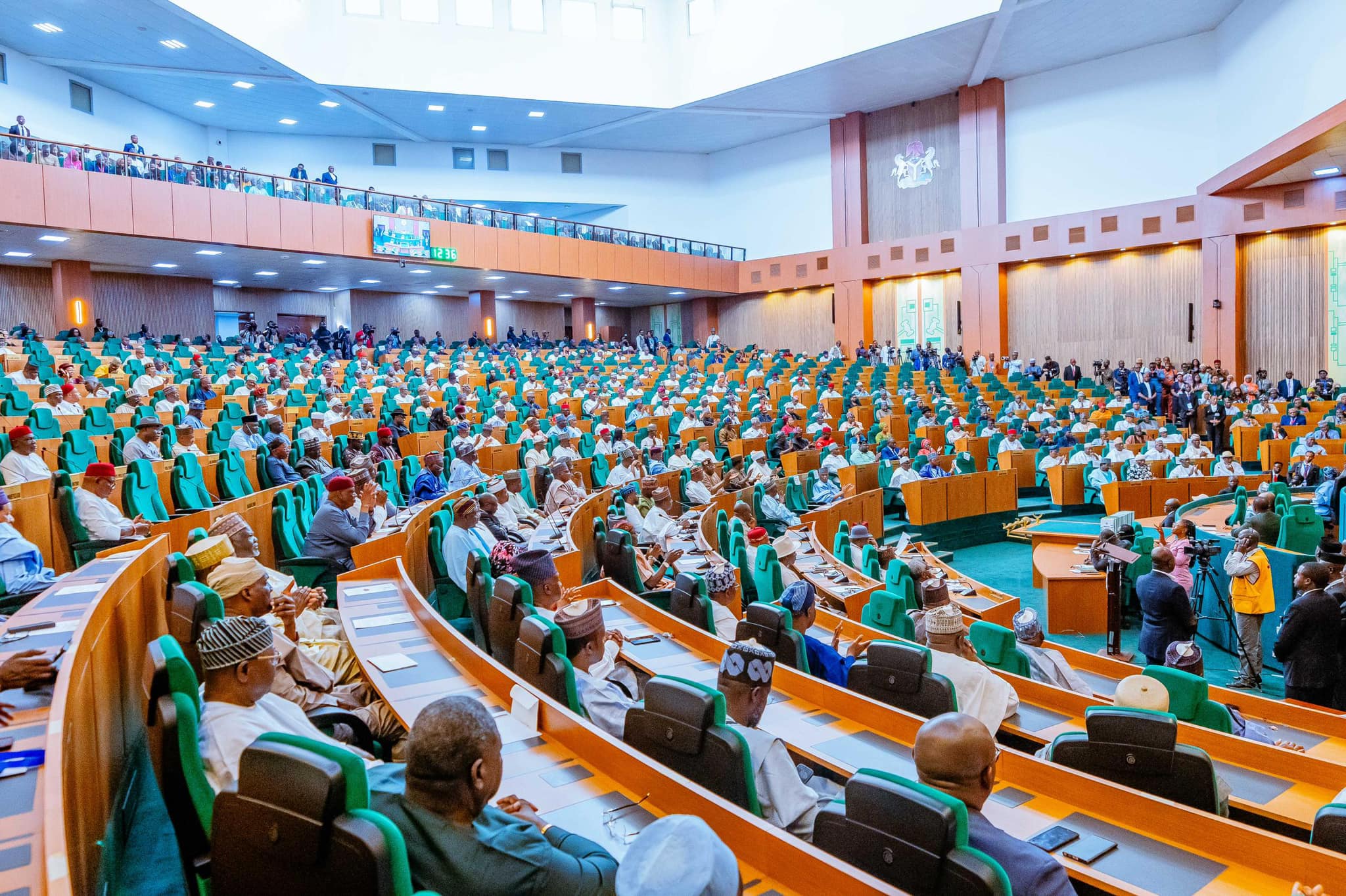
There is a strange twist happening with Enugu State’s proposed tenancy reforms. On November 17, the Enugu State House of Assembly passed an amendment to the state’s Landlord and Tenant Law. Sponsored by Honourable Okey Mbah, the bill aims to tackle real issues: the rising cost of housing, sudden rent hikes, and extra fees that can make renting much more expensive than advertised.
The bill states that landlords must wait four years before raising rent, with increases capped at 2 percent of the current rent. If renovations meet certain qualifications, up to 10 percent is allowed. The bill also aims to control agency fees, legal fees, and caution fees, as well as create a bond-account system for refundable caution deposits. Besides, it seeks to strengthen protections against illegal eviction. But these protections are not in effect yet since the governor still needs to approve the bill.
The goal of protecting tenants from being exploited is clear. Reports show how high fees from agents and landlords are worsening the housing crisis in the state. This makes regulating Enugu’s rental market necessary.
But since the announcement, we have seen a worrying trend. Many landlords are trying to raise rent by as much as 100 percent, seemingly in response to the proposed changes. Although these cases are individual and not widespread, they raise big questions about how some landlords are reacting. However, these cases do not show what landlords' costs are or what rent increases would be fair.
Signalling theory gives insight into this issue. In economics, signalling shows how an announcement sends information that influences others' decisions. The Landlord-Tenant Amendment Bill signals stronger protection against sudden rent hikes. Some landlords might see the announcement as a warning that they need to raise rents quickly before the new law starts. Their planned increases, driven by a desire to secure higher rents or worries about inflation, are hitting tenants now, while the protections are not yet active.
These early rent increases are just one of three ways that the good intentions of the bill could miss improving tenant welfare. Other issues could arise if the cap does not reflect actual costs. There is also a risk that the law on paper may not be enforced effectively.
The October 2026 inflation data shows wider price pressures. The national inflation rate is reported at 14.06 percent, while Enugu's is 22.81 percent year-on-year. This background is important for understanding the situation. Consumer price inflation does not directly measure a landlord’s costs or rents. Instead, it shows general price pressures but does not justify any particular landlord’s expenses or rent increases.
A rent cap without enforcement will not offer much protection. Enugu needs to set up a lead complaints authority by law. This should involve a specific ministry or agency working closely with the Attorney-General’s office, the Ministry of Housing, and the body managing the bond account. Tenants must be able to report illegal charges, wrongful increases, and eviction threats by phone, in person, or online.


Let’s consider what would happen if these annual inflation rates stay the same for four years. At 14.06 percent, prices would go up by about 69 percent. At Enugu’s 22.81 percent, they would rise by about 127 percent, compounded yearly. A landlord charging ₦1 million a year who keeps the rent the same for four years would need around ₦1.69 million or ₦2.27 million to maintain the original rent's buying power. In contrast, a single 2 percent increase after four years would raise the rent to ₦1.02 million. These calculations do not predict rents or measure specific costs.
The numbers show how a fixed cap may not align with general price trends if inflation stays high. This might explain why landlords expect to raise rents before the new law kicks in. Still, just because there is an incentive does not mean that a particular landlord has those costs. A 100 percent rent increase is not justified by the 69-127 percent rise in price levels. Any demand for such an increase should be looked at based on its facts and the law. Tenants with few choices will likely bear the immediate burden.
A fair assessment must also recognize that owning property involves costs like maintenance, repairs, insurance, taxes, and rates that may go up. Evidence from other countries warns against assuming that rent caps will automatically lead to affordable housing. A well-known study from San Francisco found that a rent-control expansion in 1994 led to lower displacement among protected tenants. It also estimated that landlords of newly covered properties reduced rental supply by 15 percent, leading to a 5.1 percent rise in citywide rents. These findings reflect a specific U.S. policy and market, so they do not predict what will happen in Enugu. The takeaway is to ensure tenant protection is paired with measures that support rental supply and maintenance, while also tracking the local effects.
Enugu could think about three steps:
- Close the transition gap. The final law should clearly state when it starts and explain how the four-year period affects current tenancies. California provides a helpful example, even though its system cannot be copied directly. Its Tenant Protection Act applied limits to increases from March 15, 2019, even though it took effect on January 1, 2020. For Enugu, tenant protection could happen at different levels of legal risk. The least risky would be a standstill from the time the law is passed until it starts, with public guidance and a complaints desk. A tribunal could check unusually large rent increases announced after the bill's passage, so none becomes the basis for the four-year limit. A retrospective reference date could protect more tenants but might invite legal challenges. Because I have seen landlords backdate 100 percent increases to around November 2, the date they first communicated the increase should count, with landlords needing to prove any earlier date.
- Replace the fixed cap with a transparent formula. A straightforward 2 percent increase after four years is easy to understand, but it does not adapt to conditions. This could lower landlords’ real rental income during inflation. A full indexation might shift too much risk to tenants. Oregon, for example, has a yearly maximum under a formula of 7 percent plus CPI, capped at 10 percent for certain tenancies. This is a useful idea, not a ready-made model. One option could be a hybrid formula: a maximum annual increase of either a fixed 5 percent or half of the previous year’s inflation, using a published measure, with a 10 percent cap. These figures are starting points, not final recommendations. The Assembly should publish data and reasoning behind any formula it adopts and review its effects regularly.
- Create an enforcement and complaints system. A cap without enforcement is not much help. Enugu should set up a lead complaints authority by law, with a designated ministry or agency working with the Attorney-General's office and the Ministry of Housing. Tenants should be able to report illegal fees, unjustified increases, and threats of eviction easily. The authority should share procedures, referral routes, and response times. The state could also introduce a special tenancy track in magistrates’ courts in major urban areas, with a set timeline and powers to order refunds as the law allows. Written tenancy agreements and rent receipts would help resolve disputes and provide better market data.
The government should not just create laws for the behavior it wants; it must also think about how its policies might influence behavior.



Drop your comment
No comments yet — be the first to drop the gist 👇