The rise of artificial intelligence in creating fake election results, deepfake videos, and altered audio could make it tough for Nigerians to tell real news from fake news before the 2027 general elections. Media experts shared this warning in a statement sent to PREMIUM TIMES on Monday. This came after the eighth Bagauda Kaltho Media Lecture organized by the Africa Media Development Foundation (AMDF).
The lecture took place on 19 September to celebrate the birthday of late investigative journalist Bagauda Kaltho. It focused on press freedom, brave journalism, and the growing problem of election misinformation.
The organizers pointed out that social media has made it easy for false information to spread quickly. Often, this fake news reaches many people before journalists and fact-checkers can confirm if it's true or not.
The statement was signed by Titus Usman, the publisher of Jewel Treasure Newspaper, and Sekyen Dadik, the executive director of AMDF.
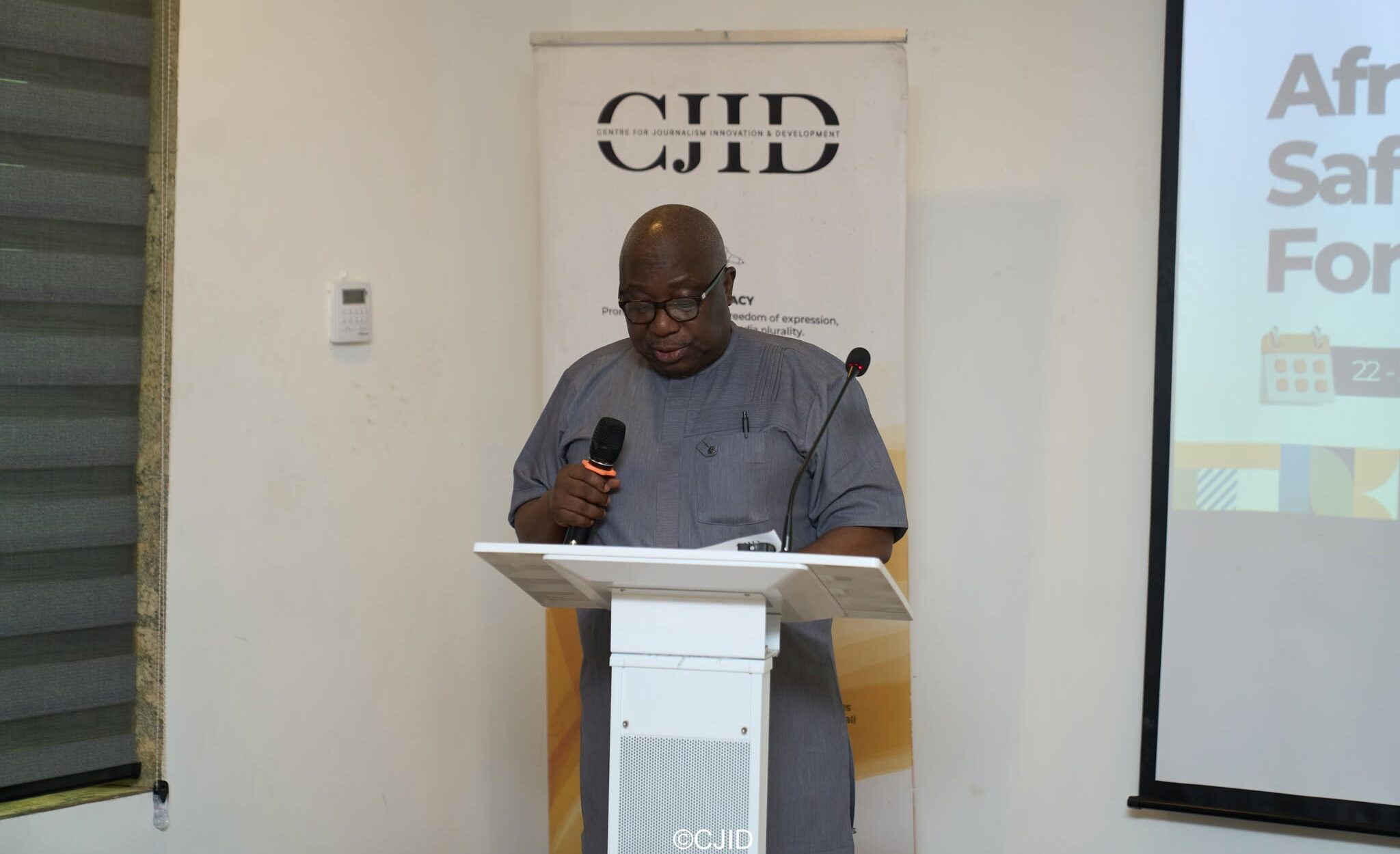
Dapo Olorunyomi, who is the publisher of PREMIUM TIMES and the CEO of the Centre for Journalism Innovation and Development (CJID), gave the keynote speech. He explained that the 2027 elections would bring new challenges for journalists as AI and digital platforms change how news is created and shared.
"The approach to the 2027 general elections presents significant challenges for journalism, particularly because of the increasing use of artificial intelligence to produce fabricated election results, deepfake videos, manipulated audio and other deceptive content," Mr Olorunyomi said.
He added, "The speed and reach of social media platforms enable misinformation and disinformation to spread rapidly, often faster than professional journalists and fact-checkers can respond."
Mr Olorunyomi also noted that there are fact-checking and verification tools that can help journalists and the public spot false information. But he stressed that more access to these tools, better awareness, and support from institutions are needed.
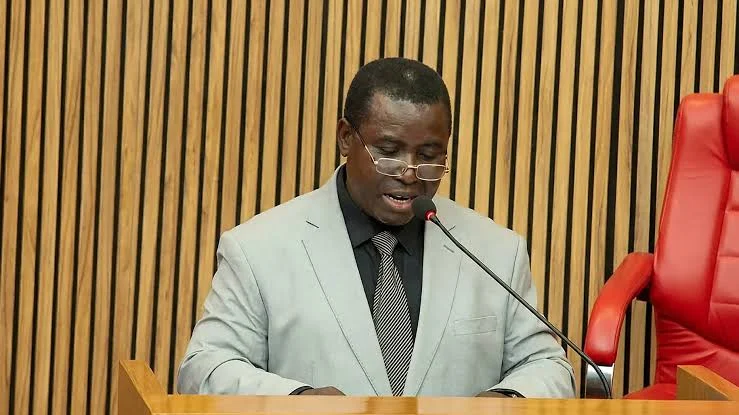
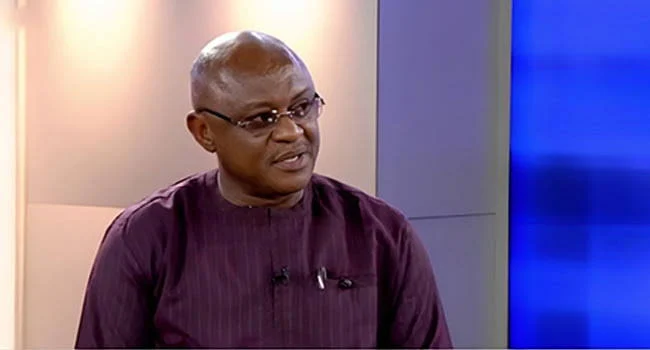

In August, Joash Amupitan, the Chairman of the Independent National Electoral Commission (INEC), warned that AI-driven misinformation is a major threat to the credibility of the 2027 elections. He said generative AI has made it easy to create altered videos, audio, and images that are hard to detect, reaching many people before they can be checked.
A report highlighted cases of fake audio, old videos being passed off as current, and false claims about the electoral process. It also pointed out the possible use of AI-generated content and fake election results in spreading election misinformation.
Nigeria saw a lot of election misinformation during the 2023 polls. There were fake endorsements, forged statements, and other false claims spreading on social media. Some of this misinformation even made it to mainstream media, as reported by Reuters at the time.
Mr Olorunyomi explained that the pressure on journalism is not just about fake news. He raised concerns about legal and institutional pressures on the media. This includes the Cybercrimes Act and the financial struggles facing news organizations.
He mentioned that digital platforms have disrupted traditional media business models, increasing pressure on media organizations. This has led to poor pay for journalists and weaker news institutions.
The statement urged media organizations to improve their fact-checking systems and invest in training for fact-checking, digital verification, AI, and investigative journalism. It also called for better cooperation among journalists, media organizations, professional bodies, civil society groups, and tech companies to spot and counter fake and AI-generated content before the elections.
The organizers asked for stronger media literacy programs in schools, communities, religious groups, and other social institutions. They urged Nigerians to take a moment to verify information before sharing it.

Drop your comment
No comments yet — be the first to drop the gist 👇