Fitch Ratings, a top credit rating agency, has changed Nigeria’s long-term Issuer Default Ratings (IDR) outlook from stable to positive. They mentioned this change is due to economic reforms showing good results.
In a report released on Friday and seen by PREMIUM TIMES, Fitch also kept the IDRs at ‘B’.
An IDR shows Fitch's view on how likely an entity is to meet its financial obligations.
A ‘B’ rating means there is a significant risk of default, but the ability to keep making payments could decline due to changes in the business and economic climate, even though there is some safety margin.
Fitch said, “The outlook revision reflects ongoing reform of the policy framework and Fitch’s increased confidence that momentum will not be disrupted by upcoming elections,” referring to Nigeria’s general elections set for early next year.
“Monetary and exchange rate reforms have supported greater naira flexibility, disinflation and faster-than-expected FX reserve accumulation, while improved reserve quality enhances resilience to shocks,” they added.
Fitch’s positive view on Nigeria comes from improvements in the country’s external position. Gross FX reserves rose to $54.9 billion on 9 September 2026, up from $32 billion in mid-April 2024. This was due to more formal FX deals, good portfolio inflows, and increased export earnings and remittances.
Fitch expects reserve coverage to reach 6.3 months of current external payments by the end of this year and stay above that level in 2027-2028. Still, they pointed out that big net errors and omissions create uncertainty.
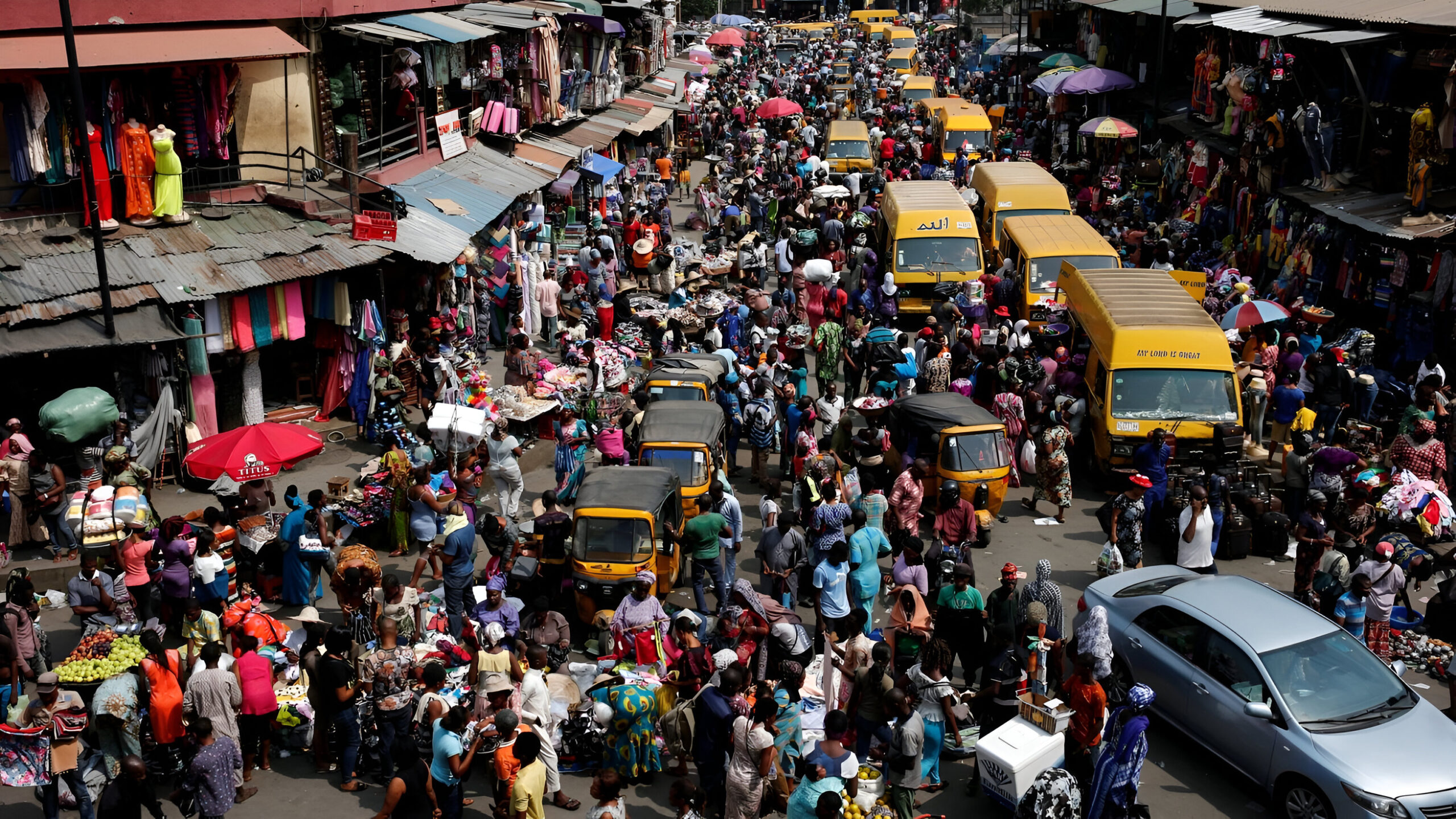
The agency also believes the naira will trade mostly at the current level until the end of this year, despite expected weaker oil prices in 2027-2028.
They think that ongoing reforms are helping policy transmission and should lead to further disinflation, even though inflation is likely to remain much higher than in other countries.
Fitch stated that Nigeria’s ratings reflect its large economy, relatively developed local debt market, significant oil and gas reserves, and a stronger macroeconomic policy framework.
But challenges like poor governance, heavy reliance on oil, persistent inflation, security issues, and low government revenue compared to peers are big hurdles.
Fitch sees a continuation of broad economic policies, including reforms that have boosted policy credibility, increased external liquidity, and improved resilience to shocks. They added that the current leaders are on track to win the 2027 elections since the ruling party controls many states.
They emphasized the importance of tight monetary policy, falling inflation, and higher oil production and refining output as key factors influencing the ratings.

Drop your comment
No comments yet — be the first to drop the gist 👇