
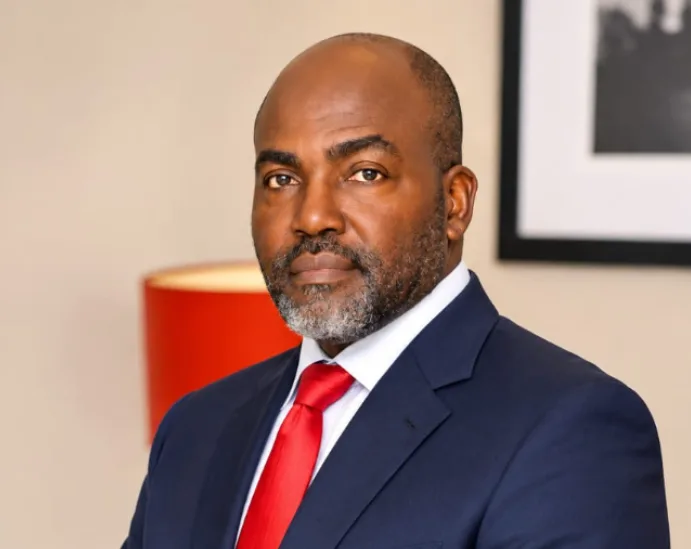
For over 30 years, Frank Omenka has been a well-known but rarely heard figure from Nigeria’s military era.
Former detainees have mentioned him in stories about arrests and interrogations. Journalists have referenced him while describing the climate of fear during the regime of late Head of State Sani Abacha. Human rights activists brought him up during the Oputa Panel, the inquiry set up after Nigeria returned to democracy in 1999.
Now, that silence is ending.
Experiential Leadership in Africa (TEL-Africa), together with PREMIUM TIMES, will host the first major public conversation with the retired colonel and former commander of the Directorate of Military Intelligence (DMI) Security Group since military rule ended.
This event is scheduled for 25 June. It will feature Dapo Olorunyomi, publisher of PREMIUM TIMES; Idris Akinbajo, managing editor of the newspaper; Kunle Ajibade, editor of The News Magazine; and Adeolu Adewumi, a catalyst at TEL Africa. The theme is “The Abacha Years: Obeying the last order and the untold accounts.”
The virtual panel will look back at one of the most important and controversial times in Nigeria’s military history. It will focus on the workings of the Abacha government, accusations against Mr Omenka since the 1990s, and the lessons he thinks this period holds for today’s security issues in Nigeria and West Africa.
A key figure in a troubled time
There is little information about Mr Omenka’s life before he became a senior intelligence officer during the Abacha years.
Unlike many military leaders from his time, there are not many public records about his background, education, or early military career. What is known is his rise in the DMI, a key institution in Nigeria’s security system during the 1990s.
The DMI was the Nigerian Army’s intelligence unit, responsible for gathering military intelligence, counter-intelligence, and internal security reporting.
During the Abacha era, critics accused military intelligence and other security agencies of monitoring opponents, silencing dissent, and investigating threats to the regime.
Former detainees, journalists, and human rights activists often pointed to Mr Omenka as one of the most powerful officers in that structure. His name became closely linked to the DMI Security Group, which many former detainees connected to detention and interrogation operations during that time.
Accusations that defined his name
Most of Mr Omenka’s public image came from the stories of others.
After military rule ended, former political detainees, journalists, students, labor activists, and military officers accused of coup involvement testified before the Human Rights Violations Investigation Commission, commonly known as the Oputa Panel.
Many shared their experiences of detention, interrogation, and mistreatment while in military custody. Several witnesses specifically mentioned Mr Omenka.
Media executive Nduka Obaigbena recalled being interrogated by military officers from the Directorate of Military Intelligence after THISDAY published articles critical of the Abacha government. In 2024, he said he was questioned by “five generals with guns on the table” and later went into exile. He named Mr Omenka as the head of the security group.
Human rights organizations documented claims of arbitrary detention, torture, and abuse by security agencies during this time. Some former detainees said that interrogations by military intelligence officers involved intimidation, threats, and violence. Journalists who reported critically on the government also shared their experiences with security officials.
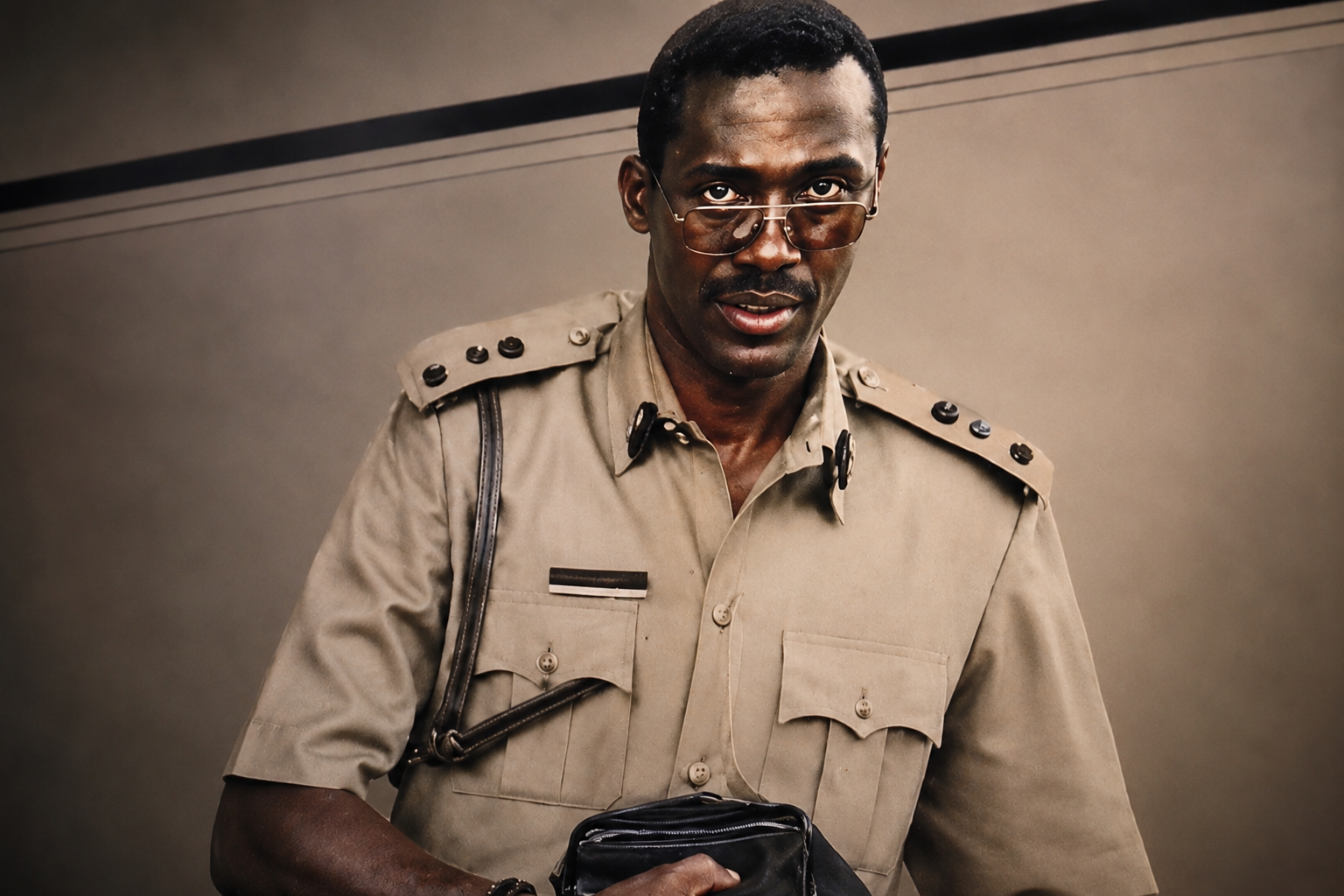
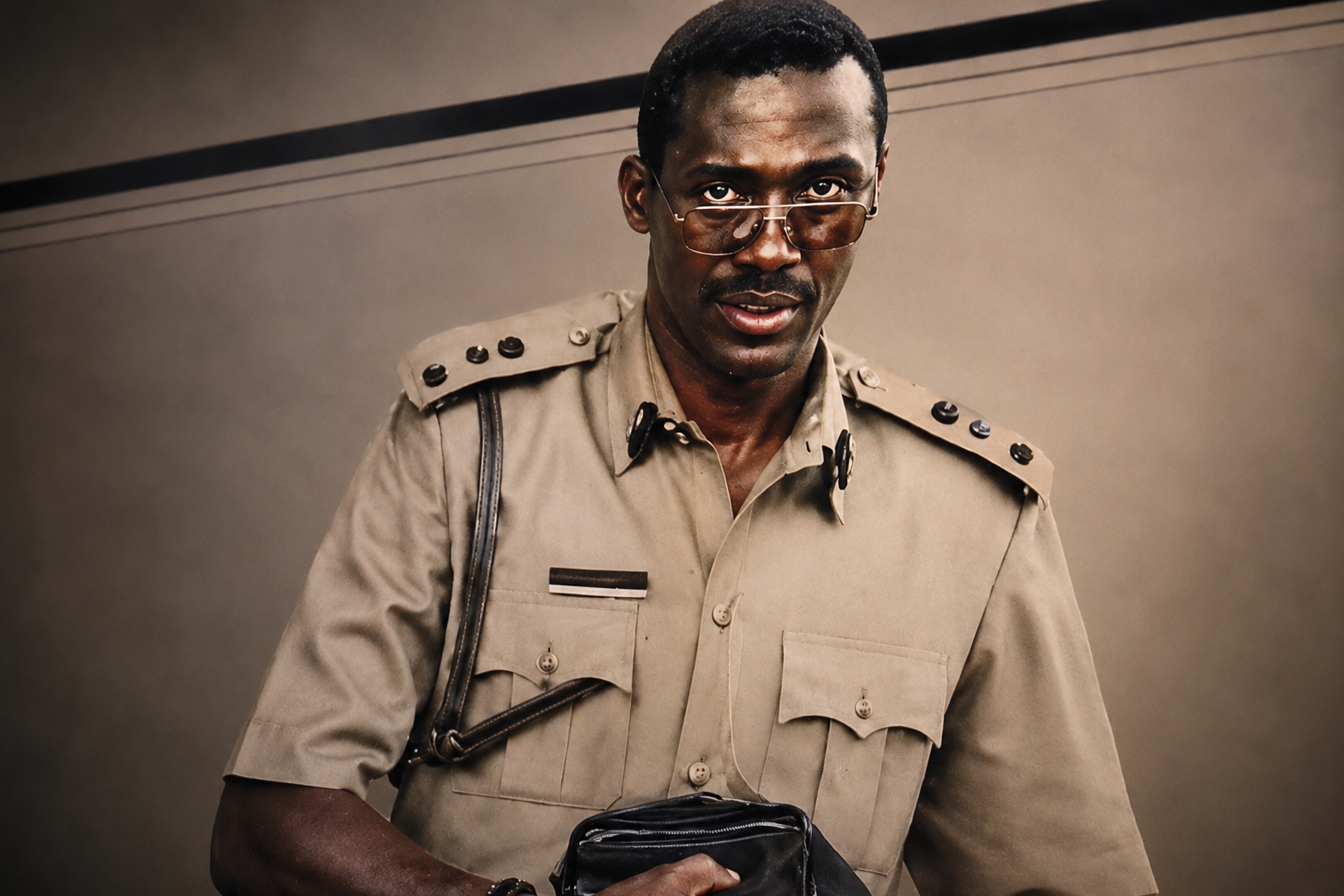
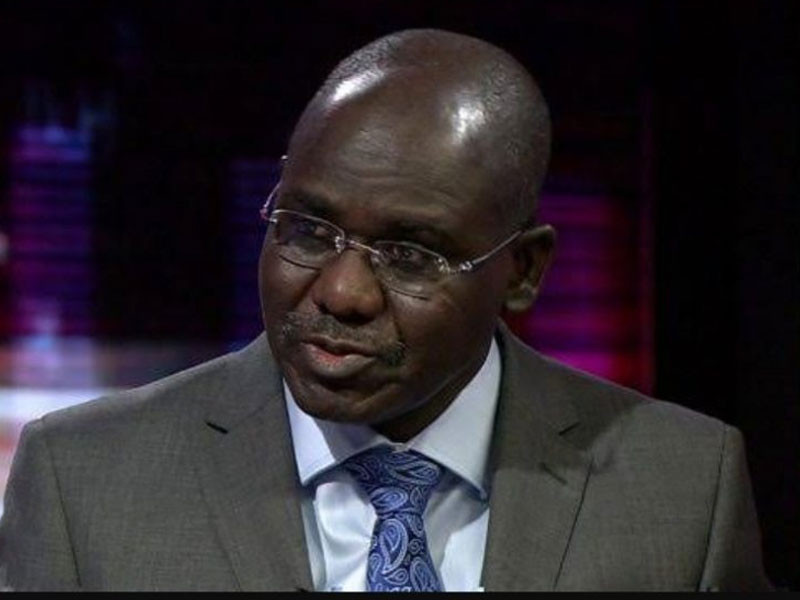
Among the most serious allegations were claims of severe mistreatment of detainees and accusations of sexual misconduct by security personnel. These claims have become a part of public memory and discussions about the Abacha era.
Olusegun Ademiyi, a former detainee and past editor of Sunday Concord, described being held in DMI custody. He recounted Mr Omenka making threats of sexual violence against a detainee’s wife. “I will detain you here tonight and organise some boys to go and rape your wife at home,” he quoted Mr Omenka as saying in a column eight years ago.
At a 2000 session of the Oputa panel, witnesses accused Mr Omenka of raping and impregnating an 18-year-old detainee named Bunmi Samuel, according to an archived report. The report stated she later died from complications after her release.
But while many allegations became public through testimonies and media reports, they were rarely tested in court. No major trial confirmed Mr Omenka’s role in the abuses former detainees claimed.
This has remained a key point in discussions about his legacy.
The end of the regime
When Mr Abacha died in June 1998, Nigeria entered a fast political change under General Abdulsalami Abubakar.
As investigations began into the previous regime, Mr Omenka reportedly came under scrutiny. Media reports said he was arrested and questioned by military authorities in October 1998 as part of efforts to review the actions of security officials from the past government.
Unlike some others from that era who faced long legal battles, Mr Omenka slowly faded from public life. His whereabouts and activities after the early 2000s became a topic of speculation and rumor. There have been claims that he moved abroad, but these have not been confirmed.
Why this discussion matters
The upcoming conversation will revisit questions that have lingered for many years.
What role did Mr Omenka really play in military intelligence? How does he respond to the accusations from former detainees and activists? What was happening inside the security institutions during the Abacha years? And what lessons does he believe this period offers for Nigeria’s current security issues?
For the panelists, the importance of this event goes beyond one person’s story.
The Abacha years are among the most debated times in Nigeria’s history since independence. Discussions about accountability, security, governance, and human rights from that era still influence national conversations today.
For decades, these discussions have included Mr Omenka, but mostly without his voice.
The upcoming interview may not settle the arguments about his role. It may not clarify the different views of history. But for the first time in over three decades, Nigerians will hear directly from one of the most mysterious figures linked to that chapter of the country’s past.
Participants must register to join the discussion, organizers said.
Drop your comment
No comments yet — be the first to drop the gist 👇