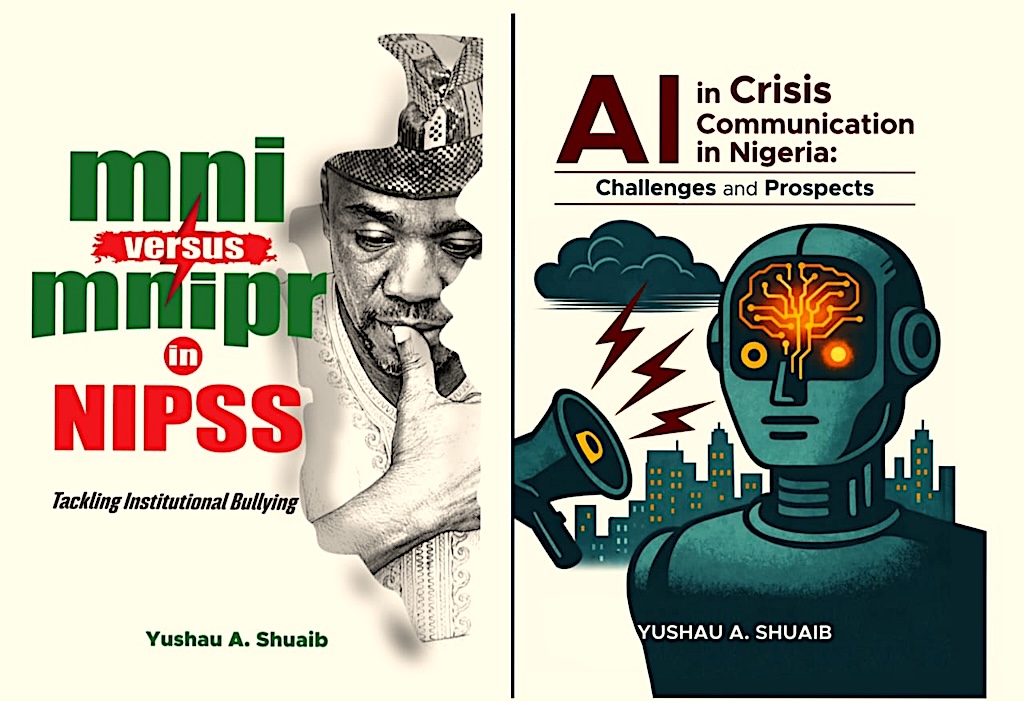
I just got two books from Yushau A. Shuaib, a well-known PR expert and publisher of PRNigeria. The books are MNI Versus MNIPR in NIPSS: Tackling Institutional Bullying and AI in Crisis Communication in Nigeria. Out of the two, the NIPSS memoir caught my attention right away.
Shuaib starts by explaining that he was hesitant to accept his nomination by the Nigerian Institute of Public Relations (NIPR). He was invited to attend Senior Executive Course 47 at the National Institute for Policy and Strategic Studies (NIPSS). The course came with a hefty price tag of ₦18.5 million. He says he only managed to pay this with help from various organizations and influential people.
The early chapters provide a lively account of learning and interacting at Nigeria's top policy institute. But things quickly turn dark. Shuaib describes facing intimidation, humiliation, and bullying that forced him to leave the program.
Rear Admiral AA Mustapha, a naval officer and instructor at the institute, is at the center of the most shocking claims. Shuaib says the turning point happened after PRNigeria published a report on NIPSS' digital changes. He insists he neither wrote nor approved the report and had stepped aside from managing his media organization before starting the course.
He recalls being called in with his Study Group Chairman and allegedly told by Rear Admiral Mustapha to stand while they were questioned about the report. Shuaib, who is a civilian in his fifties, calls this his first experience of adult bullying.
This raises a serious question: should a senior military officer treat a seasoned civilian professional in an executive program like a new recruit undergoing military training? NIPSS is not a military base. Its Senior Executive Course aims to bring together military personnel, government workers, academics, and business professionals to share ideas and build leadership skills. Discipline is necessary, but it should not involve humiliating participants.
Things got worse when Shuaib received a formal query. He says his first explanation, which stated he had no editorial role in the PRNigeria report, was dismissed because it didn't sound apologetic enough. He claims he was asked to rewrite his response in a way that fit the “NIPSS style,” eventually adding an apology after intervention from Professor Elias Wahab and Dr. Samuel Osime, another participant who also works at NIPSS.
Shuaib's memoir paints a picture of an institution where following orders is more valued than critical thinking. He describes a disciplinary panel where he was allegedly not allowed to speak before receiving a “Final Warning,” even though he had never been warned before. This is not about leadership training; it is bullying.
A chat with Dr. Osime, who also faced a query for praising Governor Caleb Mutfwang during a visit, made Shuaib wonder if getting the mni title meant fitting in like “joining a cult.”

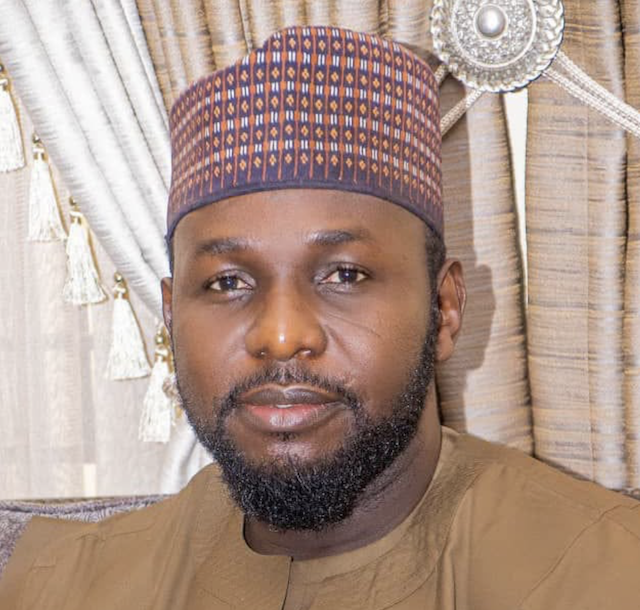
Shuaib also claims he was questioned again after writing an opinion piece on Nigeria’s Blue Economy, even though he didn't mention NIPSS. Most troubling is his claim that NIPSS officials accessed his private emails without permission, including sensitive PRNigeria communications used in the disciplinary process. If this is true, it is not just a breach of trust but also a possible crime under Nigerian data protection laws.
That the Nigeria Police Force and the Nigeria Data Protection Commission (NDPC) have reportedly ignored his serious claims, which he raised over a year ago, shows a bigger problem with accountability beyond the Kuru campus.
Another incident during a tour in Abuja showed how controlling the system is. A directing staff member reportedly stopped a Permanent Secretary from casually talking with participants. In another case, a staff member allegedly insulted an older participant who raised concerns about their behavior outside the campus.
Rear Admiral Mustapha's alleged actions show a worrying pattern of excessive authority. Wearing a uniform does not give anyone the right to treat civilians poorly. Military professionalism should be about discipline, not oppression. When military officers bring their strict ways into academic spaces, they damage both the institution and the values they claim to uphold.
Those who behave this way need to remember that leadership in a democracy should be about service, not control. The civilian professionals in these courses are not recruits to be molded in the image of their instructors; they are experienced contributors to national growth who deserve respect.
The NIPSS story, as shared in this memoir, warns us about what happens when leadership training loses its core values. An institute that cannot treat its participants, who are respected professionals, with dignity cannot genuinely claim to develop leaders for Nigeria. When the quest for knowledge is overshadowed by petty authority, we all lose.
Nigeria cannot afford to let its top leadership institution be weakened by a culture of bullying and control. The country’s future relies on leaders who understand the difference between power and true leadership, a distinction that, as this story shows, some at NIPSS clearly do not understand.




Drop your comment
No comments yet — be the first to drop the gist 👇