The federal government is looking at new laws to stop future administrations from undoing important economic reforms. They want to set up a national policy framework to help guide decisions on taxes, subsidies, trade, and industrial growth.
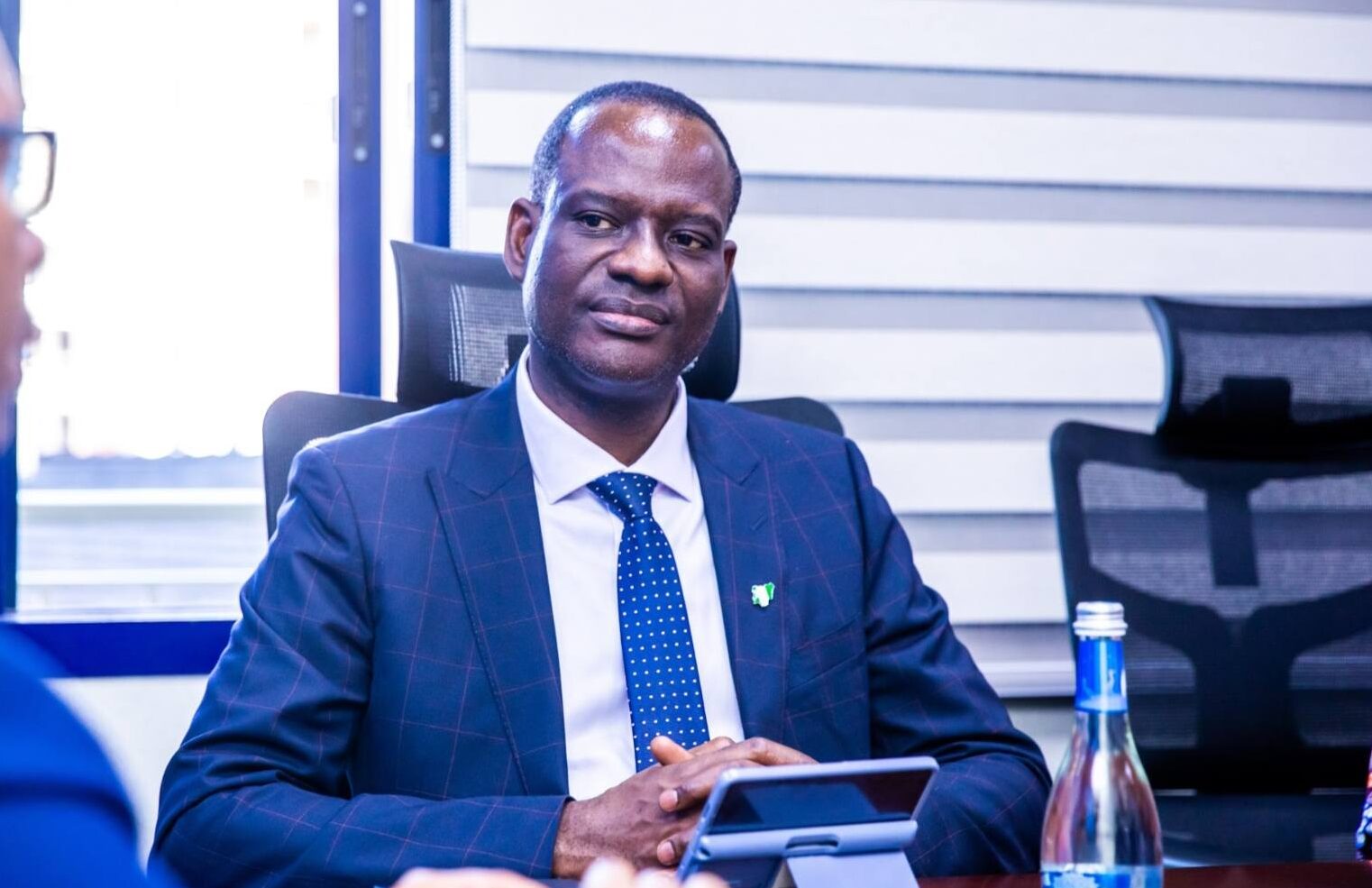
The Minister of Finance and Coordinating Minister of the Economy, Taiwo Oyedele, said the new framework will create economic principles for all future governments. This will stay in place no matter who is in charge.
He spoke on Monday at the 32nd Nigerian Economic Summit in Abuja, where he shared the draft of the Nigeria Economic Policy Framework for public feedback.
"We now need to lock it in, in institutions, in law, as well as policy framework, so that it can be enduring," he said during a panel discussion.
This proposal comes as President Bola Tinubu’s administration is trying to defend its economic changes. These include ending petrol subsidies and changing how foreign exchange works.
The government argues that these changes are necessary to fix economic issues and ensure long-term stability. But many people are debating how these changes affect household budgets and business expenses.
Mr. Oyedele pointed out that inconsistent economic policies have scared away investors and hurt past reforms. He believes Nigeria needs a stable approach to making economic decisions.
"Policy uncertainty is an invisible tax on enterprise. And unlike most taxes, it generates no revenue for government; it only destroys value and discourages investment," he said.
He mentioned that the government is looking into whether key parts of this new framework should be supported by law. He made it clear that the document is still a draft and not yet official government policy.
Public Feedback Period
According to Mr. Oyedele, the consultation will last until 27 November. After that, the framework should go to the Federal Executive Council for approval and the National Economic Council for endorsement.
The draft focuses on stability, productivity, enterprise, capital, people, markets, and institutions. It suggests common principles to guide economic decisions across all levels of government.
One major suggestion is to require Policy Impact Assessments before making big economic changes. These assessments would explain the problem being addressed, the evidence behind it, expected costs, beneficiaries, and when it should end.
These assessments would apply to changes like tax adjustments, tariff changes, rules, and incentives.
The framework also suggests an annual National Economic Scorecard to check if economic growth is improving living conditions. Suggested indicators include real wages, productive jobs, and poverty levels.
The government believes these steps will make economic decisions clearer. This will let Nigerians judge policies based on results, not just announcements.
The Ministry of Finance has put the consultation document on its website and asked businesses, professional groups, researchers, and others to send in their thoughts.
No Going Back on Fuel Subsidy
Mr. Oyedele defended ending petrol subsidies. He said keeping prices low artificially messed up the economy and created hard-to-manage costs.
He stressed that government policy should aim to increase household incomes instead of keeping prices below sustainable levels. "Let’s not suppress prices. Let’s focus on raising income," he said.
The minister also questioned Nigeria’s protection policies for industries. He pointed out that locally made vehicles contain only about five per cent local content, despite getting benefits from tariffs and levies of up to 60 per cent.
He argued that protection for local industries should be temporary and based on measurable performance. He called for better electricity supply, logistics, and other infrastructures to lower production costs.
Mr. Oyedele stated that the government aims for inflation to be in the low single digits by the end of 2027, which would help create single-digit interest rates. He did not give a specific date for lowering borrowing costs.

He also mentioned student loans, pension payments, wage adjustments, and subsidized credit for small businesses as part of the government’s larger economic plan.
He urged wealthy Nigerians to pay their taxes, warning that low government revenue could worsen inflation, increase borrowing costs, and put more pressure on the naira.
Support for Reforms
The Minister of Budget and Economic Planning, Abubakar Bagudu, supported the need for consistent policies. He said President Tinubu has told government officials to keep up the reforms, despite worries about their immediate effects on families.
"There will be no return to subsidy. There will be no return to those distortions," Mr. Bagudu said.
He added that the Federal Government has made deals with state governments to better coordinate financial and monetary policies, improve infrastructure, ensure security, and boost local production.
Mr. Bagudu also noted that over $6 billion has been raised from the World Bank and other partners to help households and improve economic opportunities.
Anambra State Governor, Charles Soludo, warned against losing sight of macroeconomic stability. He said strict policy discipline is needed for real growth.
"The macroeconomic framework, the stability that is back, must never be taken for granted," he said.
But Mr. Soludo noted that an economic growth rate of about four per cent is not enough to reduce poverty quickly and create enough jobs. He called for more investment and faster growth.
Need for Better Productivity
Oxford University Professor of Economic Policy, Stefan Dercon, highlighted the need to manage inflation and improve electricity, logistics, and port operations to support economic growth.
He warned against offering endless protection to local industries. "You can’t keep on protecting in the same way," he said.
Chema Triki, co-founder and managing director of Growth Teams, said Nigeria needs to build new productive capabilities. She believes the country should diversify exports instead of relying too much on the domestic market.
She pointed out that Nigeria's lack of export diversity is a reason to strengthen industrial competitiveness.
Omoboyede Olusanya, group managing director of Flour Mills of Nigeria, called for lower interest rates, reliable infrastructure, and improved agricultural productivity to cut manufacturing costs.
He mentioned that high financing costs discourage long-term investment, while poor logistics and inconsistent agricultural supplies weaken local industries.
Lagos State Governor, Babajide Sanwo-Olu, noted that investments in ports, transport, rail infrastructure, and food logistics are important for improving productivity and lowering business costs.
The Chairman of the Nigerian Economic Summit Group, Olaniyi Yusuf, encouraged the government to make sure that economic reforms lead to affordable living costs, productive jobs, and real improvements in household welfare.
The Minister of State for Budget and Economic Planning, Doris Uzoka-Anite, said the National Development Plan 2026, 2030 will focus on industrialization, infrastructure, investment, human capital development, and stronger institutions.
She said the plan aims to speed up economic growth, create jobs, and reduce poverty by better coordinating government policies, budgets, and investment plans.
The proposed Nigeria Economic Policy Framework will go through more consultations before it is formally reviewed by the relevant government bodies.

Drop your comment
No comments yet — be the first to drop the gist 👇