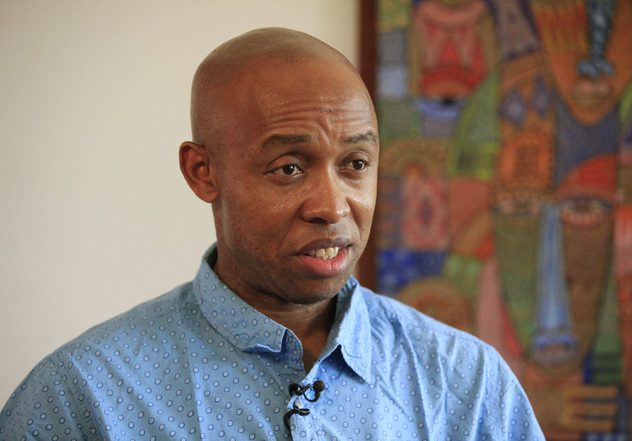
The race for Nigeria's presidency on 11 August 1979 had five candidates. Nnamdi Azikiwe, from the Nigerian Peoples Party, was born on 16 November 1904, making him over 74 years old on election day. Obafemi Awolowo, from the Unity Party of Nigeria, was also above 70, born on 6 March 1909. Aminu Kano, of the Peoples’ Redemption Party, was born on 9 August 1920, making him 58. Shehu Shagari, the candidate from the National Party of Nigeria, was born on 25 February 1925, at 54 years old. Waziri Ibrahim, from the Great Nigerian Peoples’ Party, was born on 26 February 1926, making him just one year younger than Shagari.
All five candidates were involved in Nigeria's politics before independence. Their average age in August 1979 was just under 62 years. The election was like a rerun of debates they had been part of for over two decades.
In 1978, a new group entered the political scene. They called themselves the Nigeria Advance Party, or NAP. This party promoted an idea of equal rights for all, which was both new and exciting.
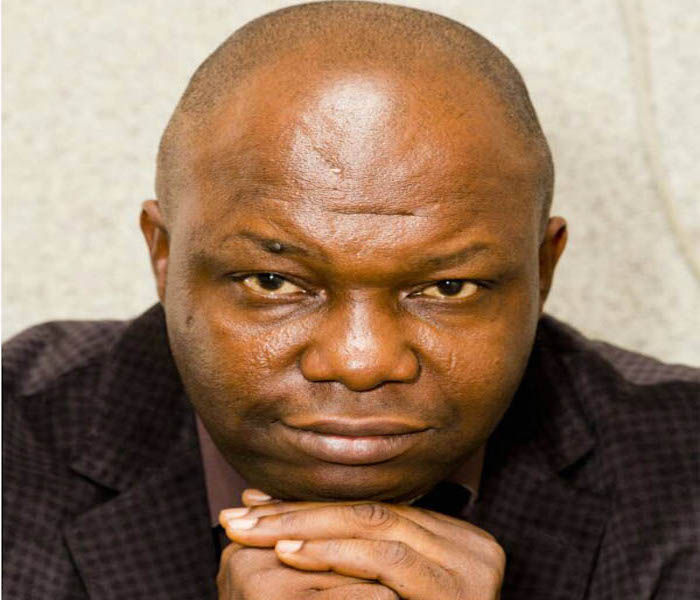
Olatunji (Tunji) Akinwande Braithwaite, who started NAP, was born on 17 September 1933. He was a lawyer who earned a reputation for standing up for the public good. Tunji was willing to use his skills to help those in trouble and support unpopular causes.
His focus was on equal rights. He believed in political participation based on a strong ideology and protecting workers' rights. Just under two years after starting his legal career, Tunji joined the legal team for Obafemi Awolowo during his well-known treason trial. He also represented Afrobeat legend Fela Anikulapo-Kuti.
When Tunji Braithwaite qualified as a lawyer in 1961, Nnamdi Azikiwe was Nigeria's Head of State. Obafemi Awolowo was the leader of the opposition in parliament. Waziri Ibrahim and Shehu Shagari were both federal ministers. Aminu Kano held the position of Deputy Chief Whip in the House of Representatives.
At 44, Tunji Braithwaite founded NAP in 1978. He applied to the Federal Electoral Commission (FEDECO) to register the party for the 1979 election, but his application was denied. The Commission said the party did not have enough presence across Nigeria.
Instead of giving up, Tunji Braithwaite became more determined. In 1982, FEDECO finally registered NAP, making it the sixth political party in the country. The next year, Tunji joined the other candidates from 1979 as the sixth presidential candidate.
With his good looks, thick hair, and different ideas, Tunji Braithwaite represented the hopes of a new generation in 1983. He spoke plainly. His main message was to create a country where everyone had equal rights. He promised to get rid of corrupt politicians, whom he called "rats, mosquitoes, and cockroaches."
The old political system was not ready to accept him. The ruling National Party of Nigeria claimed a fake landslide victory in the 1983 elections. Three months after taking office, Muhammadu Buhari, who was the army chief, ended this short period of civil rule on the last day of 1983.
Tunji Braithwaite did not stop with law or education. He went back to school and earned two graduate degrees in three years, including a doctorate. He also became a published author in legal philosophy.
In 1997, at age 63, Tunji Braithwaite was the first major figure to challenge military dictator Sani Abacha, who wanted to rule without opposition. His bravery inspired others, including former Inspector-General of Police Maigari Dikko Yusuf.
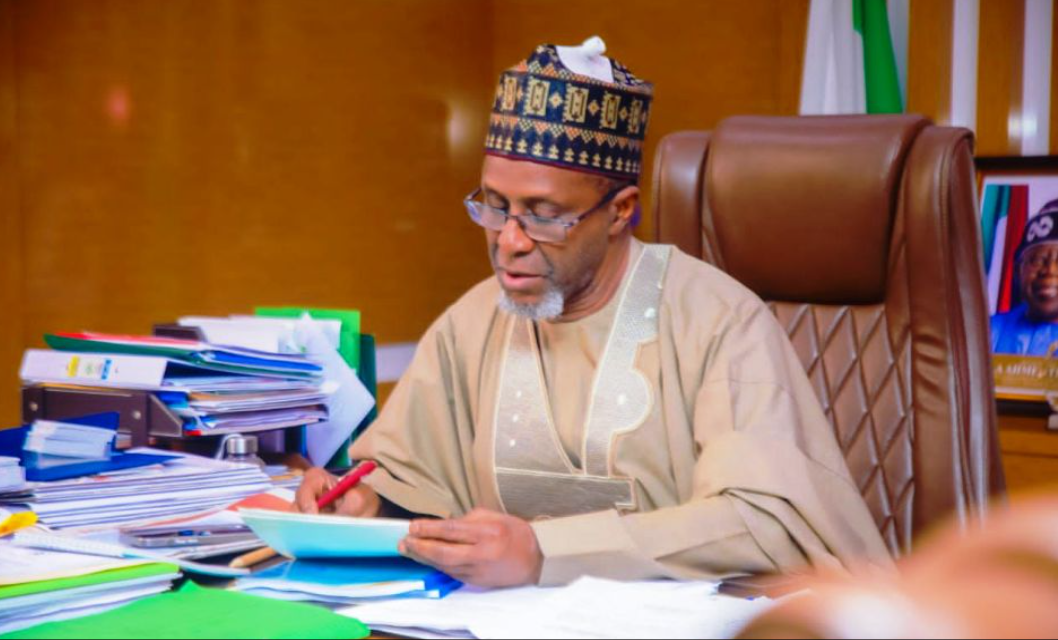


When Nigeria returned to civilian rule in 1999, the Independent National Electoral Commission restored NAP's registration. But in 2012, the Commission removed the party for not winning any seats in elections.
By then, political ideology and the public good had vanished from Nigerian politics. Political parties had turned into tools for stealing power. Tunji Braithwaite was clear on his goals: "Who wants to win an election by bribery and all sorts of evils? I don’t want to win election through such means." He insisted that "the electoral system cannot, I repeat, cannot contain people with integrity."
When he died on 28 March 2016, Tunji Braithwaite had spent more than 55 years as a lawyer and a defender of the public good. He achieved a lot without needing political office or power. His strength came from his intellect, values, and belief in serving the public.
He also managed to build a family. Tunji Braithwaite was married to Grace Simisola Olubanwo Braithwaite, a respected medical doctor in Nigeria. Together, they raised five children, one a doctor and four lawyers.
The year 1933, when Tunji Braithwaite was born, was important worldwide and in Nigeria. In January, German President Paul von Hindenburg appointed Adolf Hitler as Chancellor. Two months later, on 23 March, Hitler passed a law that allowed him to dismantle democracy. Just 20 days before that, Franklin Delano Roosevelt became the 32nd president of the USA.
In Nigeria, 1933 was also an election year. The colonial government held the third Legislative Council election that year. The first election was in 1923, followed by another in 1928. By 1946, the Legislative Council had 46 members, with 23 being ex-officio, 15 appointed, four nominated, and four elected (three from Lagos and one from Calabar).
In Lagos, Theophilus Adebayo Doherty was elected to the Council for the first time. He joined two re-elected members, Olawolu Eric Moore and Crispin Adeniyi-Jones. Within a year, however, many members, including those for Benin-Warri and Oyo Province, were replaced by colonial governor Donald Cameron.
Today, many people in Nigeria argue that the arbitrary way the colonial governor could replace council members is similar to how judges and courts can change election results without considering what the people want.
What happened in Germany the year Tunji Braithwaite was born shows that democracy can destroy itself from within. One major issue during FDR's presidency was the failed attempt to pass the Judicial Procedures Reform Bill in 1937, which aimed to expand the Supreme Court. This highlighted the need to keep a clear line between the judiciary and democracy.
In Nigeria today, it seems some judges are undermining the government that should reflect the people's will. But Tunji Braithwaite’s life teaches us that citizens are the true source of power. Power that does not come from the people's will is always at risk. This is where Nigeria stands now. As we mark the 10th anniversary of his passing and the 93rd anniversary of his birth, these lessons are very relevant ahead of the 2027 elections.
Drop your comment
No comments yet — be the first to drop the gist 👇