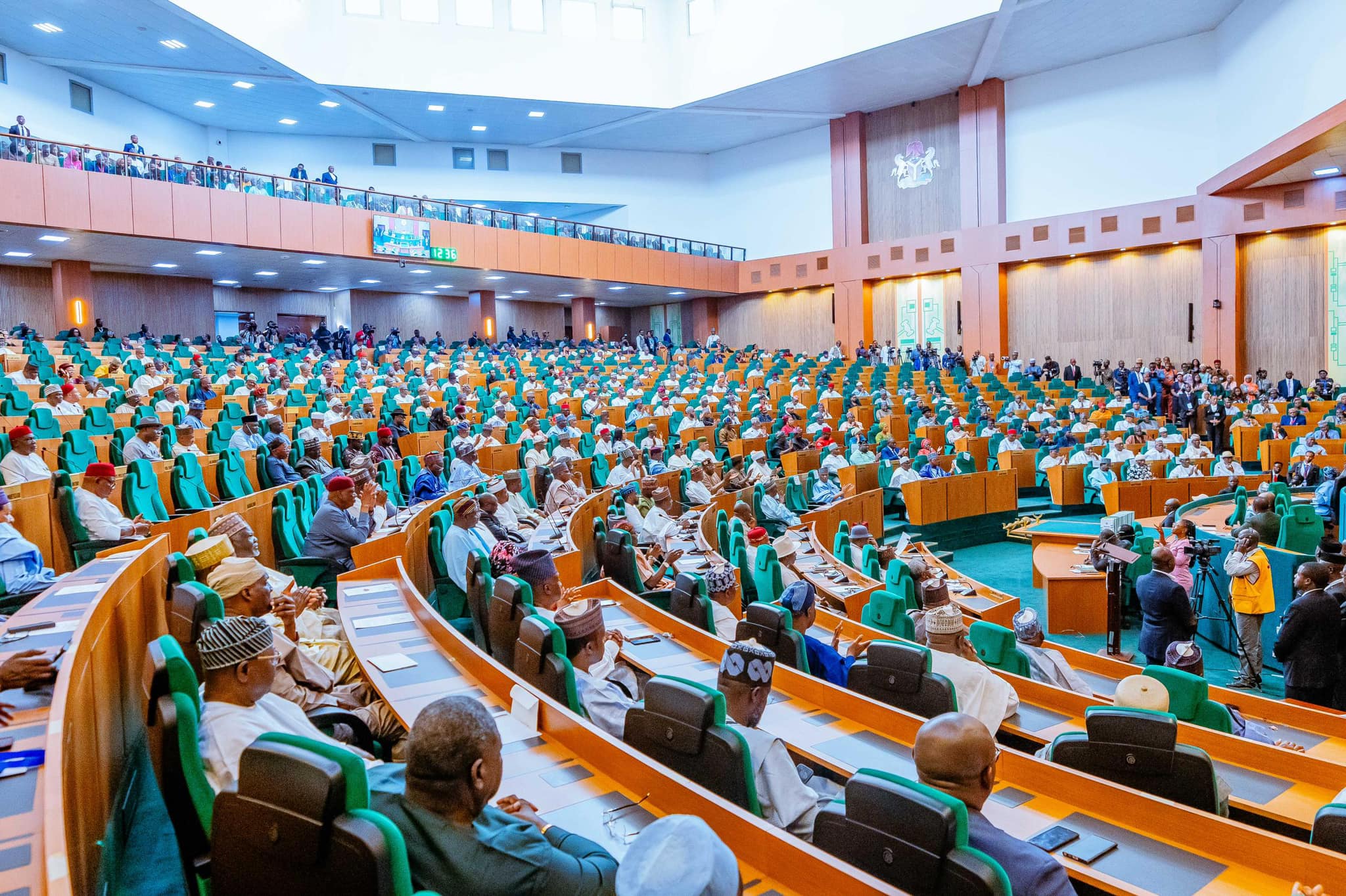
The House of Representatives has announced that its members introduced 2,747 bills and passed 363 in the first three years of the 10th National Assembly. They say this is one of the most active legislative times in recent history.
The numbers were shared on Monday as the House reviewed its work at the end of the third legislative session.
This review comes just weeks after the 10th National Assembly celebrated its third anniversary on June 13. The House leadership used this time to look back on their achievements since members started in June 2023.
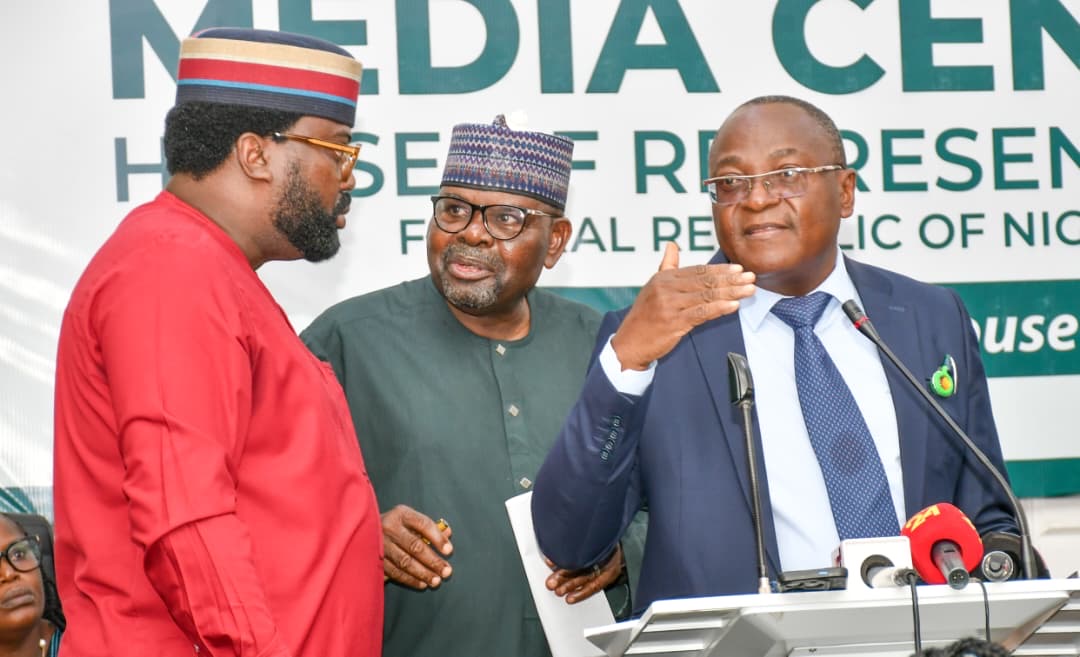
Speaking to reporters in Abuja, Francis Waive, the Chairman of the House Committee on Rules and Business, said the number of bills introduced shows the House’s commitment to improve Nigeria’s laws and handle new national issues through legislation.
According to him, the 2,747 bills introduced since the Assembly began include 57 Executive bills, 95 concurrence bills from the Senate, and 2,595 private members’ bills from lawmakers.
He stated that the House passed 363 bills over three legislative sessions, with 89 in the first session, 148 in the second, and another 126 in the recently finished third session.
Mr. Waive also shared details about activities in the third legislative year. He said lawmakers introduced 484 bills, which included 31 Executive bills, 391 private members’ bills, and 62 concurrence bills from the Senate.
Besides lawmaking, he said the House discussed 220 motions during the session. Out of these, 192 were sent to standing committees for further work, while 28 went to ad hoc committees. He added that 121 motions were accepted as urgent public matters, and lawmakers looked at 48 public petitions from citizens and organizations.
Mr. Waive mentioned some important laws passed by the House during this time. These include the 2026 Appropriation Bill, the Electoral Act 2026, constitutional changes for state police, tax reform laws, and the Minimum Wage Act.
He said these laws aim to improve governance, strengthen public institutions, and support the welfare of Nigerians.
“We are sharing this data with Nigerians because the House of Representatives is working. This is the scorecard for the session,” he said.
The House leadership also denied claims that lawmakers pay money to have bills considered for legislation.
Mr. Waive said comments from a fellow member that led to the accusation were misunderstood. He explained that the lawmaker was talking about the consultations, lobbying, and procedures needed to gain support for legislation, not any payments.
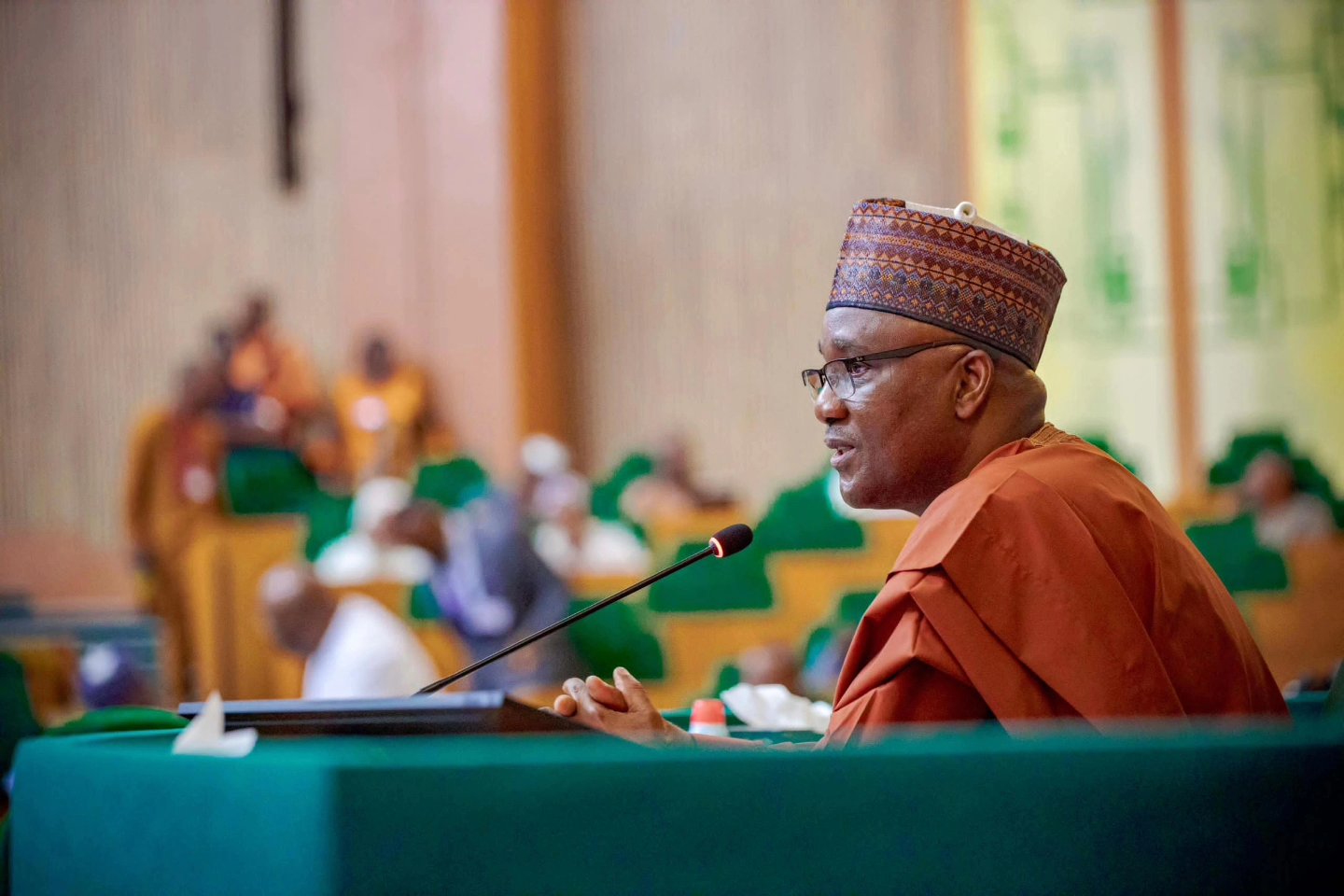
Supporting this explanation, House spokesperson Akin Rotimi said he has personally sponsored more than 40 bills. He insisted that the legislative process is clear and follows the Constitution and the House’s rules.
Mr. Rotimi explained that every bill goes through checks before it is allowed for first reading and other legislative steps.
He added that the Assembly’s work should not be judged only by the number of bills introduced versus those passed.

He said many bills with similar goals are combined into one during the legislative process, leading to fewer final bills than those initially introduced.
Mr. Rotimi also revealed that lawmakers have introduced over 300 proposals for changes to the Constitution, with many still going through different stages of consideration.
He said the House leadership is already reviewing its agenda for the next session to ensure priority reforms are completed before the Assembly’s term ends.
“We have done a lot, but there is still much more to do. We are reviewing our legislative plans to make sure we keep our promises to Nigerians before the Assembly ends,” he said.
When asked by journalists, Mr. Waive clarified that the Committee on Rules and Business does not keep records of bills signed into law by the President.
He explained that once both chambers pass a bill, the Clerk of the National Assembly and the Presidency handle the documents for presidential approval.
He also noted that bills sent to the Senate or received from them go through the Clerk after passage, with further legislative processes outside the committee’s duties.
Mr. Waive defended the growing number of bills to establish new federal institutions, saying these laws have brought real benefits to many areas.
He pointed out that many of the approved bills have led to the creation of public institutions like Federal Medical Centres and other federal services, improving access to government help.
He rejected claims that lawmakers are pushing these bills just to increase the number processed by the House.
On the proposed establishment of state police, Mr. Waive explained that the constitutional amendment already approved only lays the groundwork for state-run police services.
He said another change to the Police Act would be needed to clarify details like command structure, oversight roles, and how state police relate to the Nigeria Police Force.
Looking ahead to the fourth legislative session, Mr. Rotimi said lawmakers expect to vote on about 40 constitutional amendment bills.
He said these proposals include creating reserved seats for women, strengthening democratic institutions, and introducing more governance changes to improve Nigeria’s political and constitutional system.



Drop your comment
No comments yet — be the first to drop the gist 👇