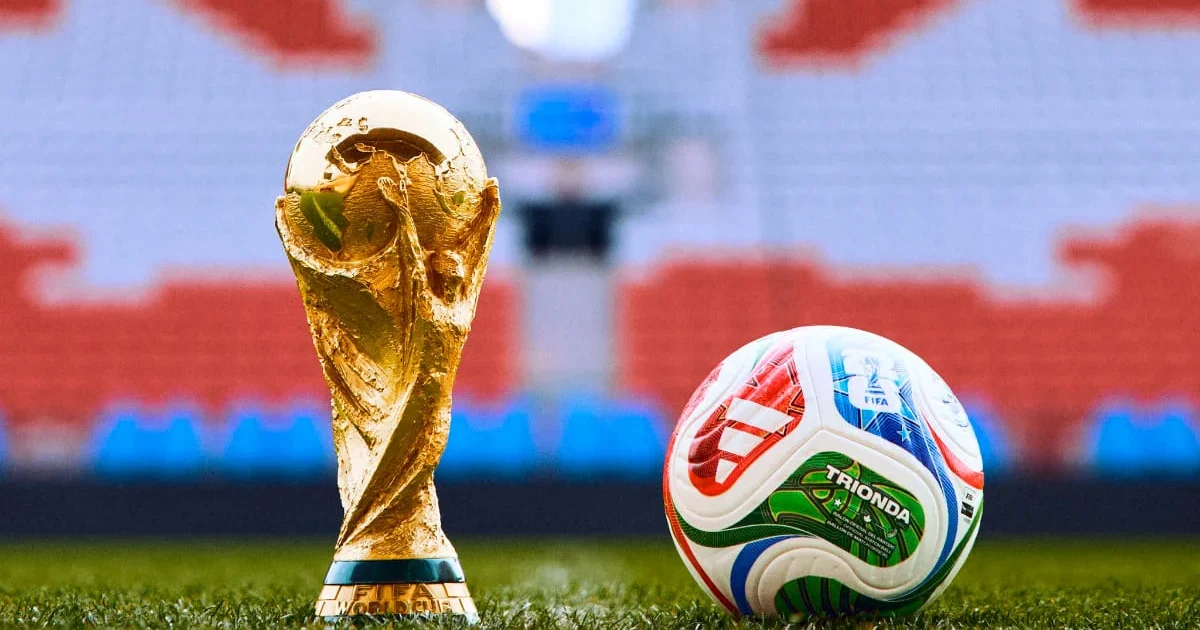
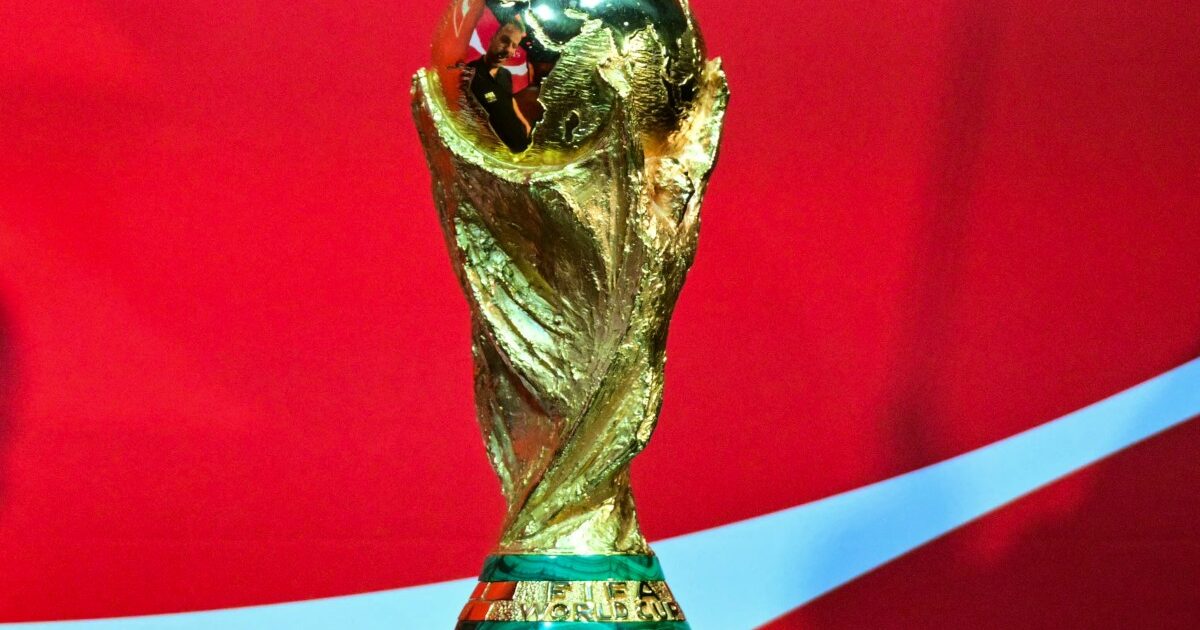
As the 2026 FIFA World Cup wraps up with the final on Sunday between Argentina and Spain, African teams have mixed feelings about their performance in North America.
There were standout moments, surprising results, and proof that African nations are getting closer to the top football countries.
But there was also heartbreak, as mistakes kept African teams from going further in the tournament.
For the first time, 10 African nations qualified, making Africa the second most represented continent at the World Cup.
Nine teams made it to the knockout stage, but only one reached the quarter-finals.
Tunisia’s Early Exit
Tunisia was the first team to go home after losing 4-0 to Japan and 1-3 to the Netherlands.
The Carthage Eagles, who also lost 5-1 to Sweden in their opening Group F match, could not get any points from their three games and faced an early exit.
Cape Verde Surprises Everyone
One team that surprised many was the debutants Cape Verde.
This small island nation shocked everyone by finishing the group stage unbeaten, competing against former champions Spain and Uruguay.
Their remarkable journey nearly led to one of the biggest upsets in World Cup history.
Cape Verde faced defending champions Argentina in the Round of 32, coming back twice before losing 3-2 after extra time.
“To be honest, it feels like I’m living in a fairytale,” midfielder Deroy Duarte said after playing against Lionel Messi’s team.
Even though they were eliminated, Cape Verde earned a lot of respect for pushing the eventual finalists to their limits.
Heartbreak in the Round of 32
The biggest disappointment for Africa came in the Round of 32 when seven teams were knocked out.
Côte d’Ivoire lost 2-1 to Norway, South Africa fell 1-0 to Canada, and Ghana lost 1-0 to Colombia.
DR Congo, Senegal, and Cape Verde also faced tough losses despite good performances.
The exits of DR Congo and Senegal were particularly hard to take.
DR Congo led England before Harry Kane scored two late goals, giving the Three Lions a 2-1 win.
Senegal seemed on track for the last 16 after taking a 2-0 lead against Belgium through goals from Habib Diarra and Ismaila Sarr.
But Romelu Lukaku and Youri Tielemans helped Belgium come back to win 3-2 after extra time.
Egypt Makes History Before Late Collapse
Egypt became one of only two African teams to reach the Round of 16 after beating Australia 4-2 on penalties following a 1-1 draw.
This victory marked the Pharaohs’ first knockout-stage win in World Cup history.
Sadly, their campaign ended dramatically against defending champions Argentina.
Egypt led 2-0 with just 11 minutes left before Cristian Romero scored, Lionel Messi equalised, and Enzo Fernandez scored the stoppage-time winner in a stunning 3-2 comeback.
The loss hurt even more after Egypt had a goal ruled out by VAR, while Messi missed a penalty.
Morocco Carries Africa’s Flag
Morocco once again stood out as Africa’s representative.
The Atlas Lions eliminated the Netherlands on penalties after a 1-1 draw to reach the Round of 16, where they beat Canada to secure a place in the quarter-finals.
This made Morocco the only African team to reach the last eight of the tournament.
Their run ended in the quarter-finals with a 2-0 loss to France, with Kylian Mbappe and Ousmane Dembele scoring to move Les Bleus into the semi-finals.
Despite this loss, Morocco continued to make history for African football.
According to Opta, their win over the Netherlands meant Morocco had progressed from three World Cup knockout ties, matching the total of all other African nations before the 2022 tournament.
The Atlas Lions also had 70 percent possession against the Netherlands, the highest by an African team in a World Cup knockout match since 1966.
A Familiar Issue
Beyond the individual results, a common theme stood out in Africa’s campaign: the failure to hold onto leads.
Egypt let a two-goal lead slip against Argentina.
Senegal lost after being ahead 2-0 against Belgium.
DR Congo could not keep their advantage against England.
These late collapses sparked discussions about game management, tactical discipline, and staying focused against top teams.
Yet they also showed how competitive African teams have become against the best in the world.
Signs of Progress
Even though only Morocco made it to the quarter-finals, the tournament brought some hope.
Cape Verde’s brave debut, Egypt’s historic win, and Morocco’s steady performance showed Africa’s growing influence on the world stage.
The expanded World Cup allowed more nations to gain valuable experience against top teams, experience that could help in future tournaments.
The 2026 campaign ended without an African semi-finalist, but it also showed that African teams are getting closer to the traditional football powers.
For now, Africa leaves the World Cup with feelings of disappointment and pride, frustrated by what could have been but encouraged by what lies ahead.

Drop your comment
No comments yet — be the first to drop the gist 👇