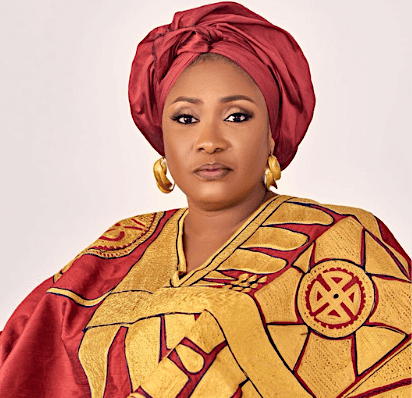
Osun State was created thirty-five years ago, but it turns out the state was born from an insult.
Yes, you read that right.
In 1945, Chief Salami Agbaje, one of the richest Nigerians of his time, wanted a promotion in Ibadan’s chieftaincy system. Agbaje was not just any chief. He was one of the first to benefit from the changing colonial economy. He understood banking, trade, cash crops, education, and property. He built a fortune that made him influential in the city. Agbaje was the first Ibadan man to own a car and built the city’s first cement-brick house. He later constructed a grand mansion in Ayeye, inspired by the Lloyds Bank headquarters in London.
His wealth made some fellow chiefs envious. He also climbed the chieftaincy ranks quickly. By 1945, he was looking for a promotion that would bring him closer to the throne.
With Agbaje aiming for a higher position, he approached traditional rulers from the Osun area for help. They agreed to speak to Oba Abass Aleshinloye, the first Olubadan of Ibadan. Several respected royal fathers stepped in to help.
So, one bright morning in May, the royal representatives arrived in Ibadan.
Then came the insult.
When they reached the palace, no one offered them seats. No kolanut was given. They did not receive water after their long journey.
One of the visiting Obas eventually asked why they were treated like this. An arrogant council member replied:
“Ijoye Ibadan, bi oba ile e ’bomii ni.” (An Ibadan chief is the equal of a king elsewhere)
The meaning of that Yoruba saying is clear. The visitors came as royal representatives from other Yoruba kingdoms and towns but were treated as if they did not matter.
Interestingly, the mission succeeded, and Agbaje got his promotion.
But something else happened that day. The Osun traditional rulers decided they had had enough and resolved to push for the Osun area to be free from the Ibadan Native Authority.
By 1949, the Ibadan chiefs were worried by Agbaje’s rapid rise. They got Adegoke Adelabu (Penkelemesi) to draft a petition against him. It was dated 27 December 1949.
The petition had serious charges listed. There were fourteen counts, including “Injustice,” “Selfishness,” “Avarice,” “Exploitation,” “Deceit,” “Vindictiveness,” “Machination,” “Ruthlessness,” “Ambition,” “Tyranny,” “Treachery,” and “Unpopularity.”
The petitioners declared:
“We are no alarmists, but our common heritage, won with the blood, the sweat, and the tears of our forefathers, is about to be delivered into the hands of a tyrant beside whom Nero and Caligula would pale into insignificance.”
The colonial government appointed Hugh Louis Montague Butcher to look into the allegations against Agbaje and the Ibadan Native Authority. He found the claims against Agbaje were baseless.
Butcher then examined the political system. His findings were alarming. He said power had become concentrated in:
“a few aged and senile chiefs who owe their position not to ability or intelligence but to having lived longer than their fellow men.”
He concluded there was no traditional reason why the Timi of Ede or the Ataoja of Osogbo should be under the Olubadan of Ibadan. This system had started for military reasons but continued after those reasons no longer existed. Butcher suggested that the Divisional Council be abolished and the districts reorganized.
On 12 July 1951, the central government in Lagos said the majority of people in the Northern Districts clearly opposed being under the Ibadan Native Authority. They stated that it was best for good governance that they should not remain under it.
The petition aimed to stop Agbaje.
Instead, it freed the Osun people from Ibadan.
In social sciences, they call this the law of unintended consequences.
Osun Is a Young State Made Up of Very Old Places
We cannot connect that incident in Ibadan straight to the creation of Osun State in 1991 because the administrative setups changed many times. The British called the area Oshun Division, adding an “h” to the name now known as Osun, or Ọ̀ṣun in Yoruba writing. The Western Region became Western State. In 1976, Western State split, and the land that would become Osun was added to Oyo State.
Only on 27 August 1991 did Osun become a state, but the political feelings have always stayed strong. The Osun political identity was built on a long refusal to accept being subordinate.
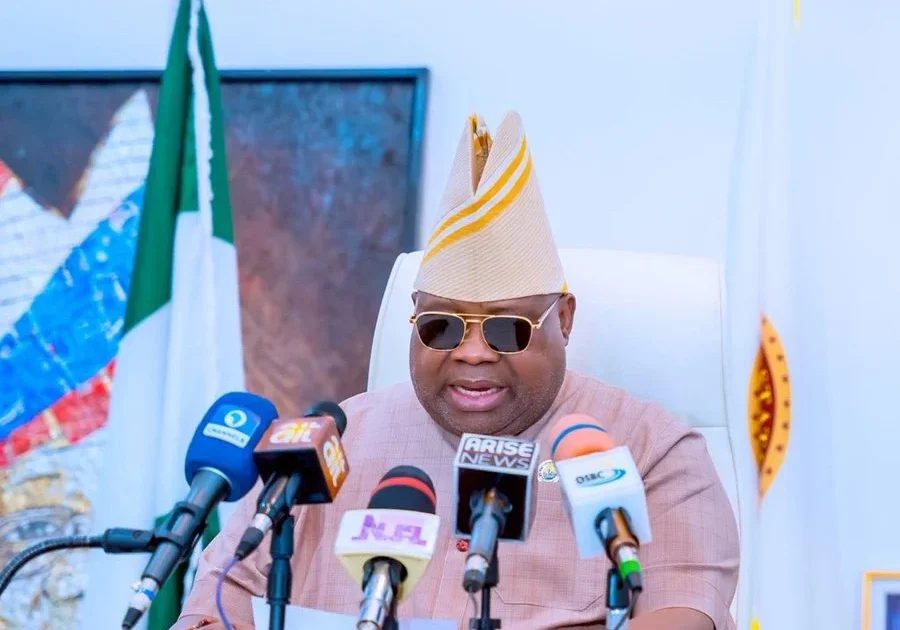
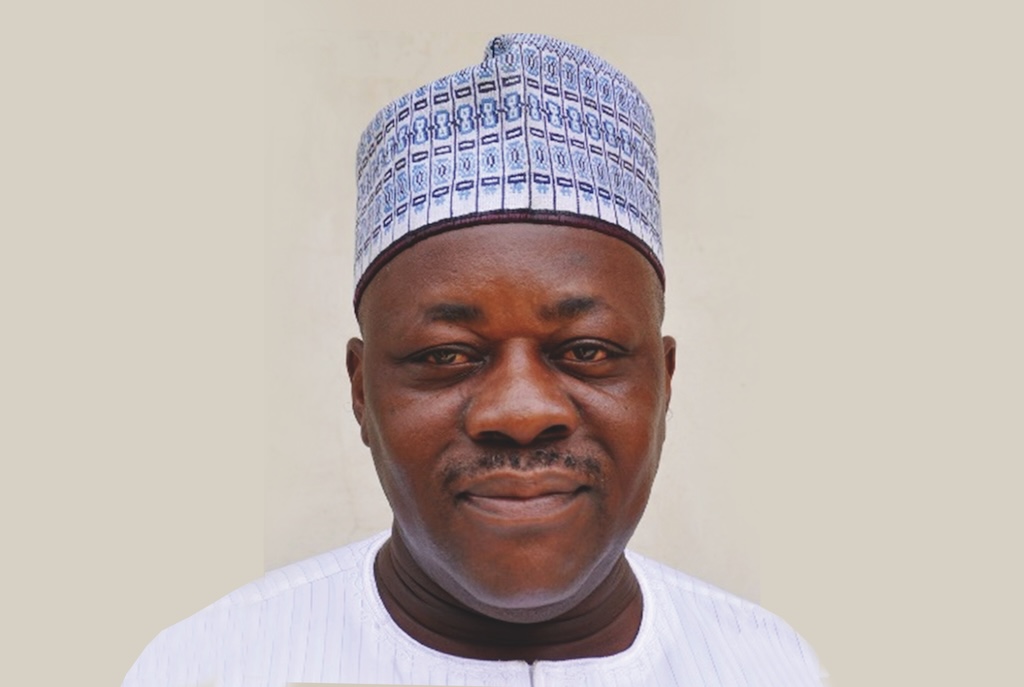
Osun has many old centres instead of one main centre. It is a young state made up of ancient places. The map is 35 years old, but the people have histories that are centuries old. Each town, village, or even hamlet has its own story. They did not just become a people when the military drew a border in 1991. They came with their own institutions, customs, values, loyalties, memories, and ideas about governance.
This may explain why a state with many centres of identity has never been open to the idea of one single boss.
The initial decision to reject Ibadan’s control showed that political diversity. By the early 1950s, four Obas were leading the charge: The Ataoja of Osogbo, The Timi of Ede, The Akirun of Ikirun, and The Olokuku of Okuku. Educated elites joined when it was time to push for statehood. Different communities had different political goals and did not always agree. The Ijesa wanted Obokun State. Ife wanted Oduduwa or Moremi State. Ogbomoso wanted the capital of the new Osun State, as did Ede.
Osogbo eventually won.
The Ogbomoso argument faced a specific Osun type of resistance. Those against Ogbomoso being the capital used the proverb:
“A kò lè gbé omo Obà fún Òsun.” (One does not entrust the child of Oba to Osun)
The River Oba, flowing through Ogbomoso, is a part of River Osun. The argument was that a “child” of a different river could not be placed under the care of a capital city of another. This is how Ogbomoso chose to stay in Oyo State.
The Political Inheritance of Osun is Progressive
The Oshun Division was a stronghold for the Action Group. There is also an interesting coincidence, though calling it a coincidence may not be accurate.
Oshun Division was created in 1951, the same year the Egbe Omo Oduduwa started the Action Group. These two changes were linked to the political reorganization happening in the Western Region. The new division created a space for the people of Osun to organize and speak up for themselves, while the Action Group became a platform for their broader goals. Action Group leaders like Chief Obafemi Awolowo supported the fight for Osun’s separation from Ibadan.
What stands out is the timing. The Butcher inquiry and recommendation reached a critical point in March 1951, just as the Action Group was gaining public attention. The party was introduced to the public on 21 March and officially launched at Owo on 28 April.
The Action Group won, and the Western Region became a site for one of Nigeria’s most ambitious regional development efforts.
Two different political changes were happening at the same time: an old administrative order was being challenged and reshaped while a cultural movement found a political and electoral voice.
The Osun Obas turned their poor treatment in Ibadan into a challenge to change the status quo. Their hope and determination may have helped create the political climate for the larger Yoruba movement to transition from cultural organization to electoral politics.
The progressive inheritance of Osun is not just that its people resisted domination. There is a belief that government must have a purpose. Education, infrastructure, agriculture, and social growth are part of what political power should aim for.
That expectation should not fade just because current politics have become a bit transactional.
Those who want to lead Osun should remember that they inherit a political tradition where government was expected to build something.
Eight decades later...
The insult in Ibadan happened in 1945. HLM Butcher looked at the political arrangement in 1951 and found that the control of surrounding areas by Ibadan had no traditional basis. Forty years later, Osun became a state.
Eighty-one years later, the Osun story still teaches how a people can organize, persist, and eventually change their political situation through patience and collective strength.
There is a version of a praise chant to Ọ̀ṣun, the Yoruba goddess linked to the river that gave the state its name:
“Ẹ má ṣe yẹ̀yẹ́ o, ẹ má ṣe yẹ̀yẹ́ awa.
Ọ̀ṣun kò yẹ̀yẹ́ o, Ọ̀ṣun kò yẹ̀yẹ́ yín.”
This means a warning against mockery: do not mock us; we reject your mockery.
The state was named for the river, not the goddess. But the cultural world that gives meaning to both is still very relevant. And it feels fitting that this old saying appears in the history of a place whose modern story began with an insult.
The people of Osun have shown that underestimating them is a mistake.



Drop your comment
No comments yet — be the first to drop the gist 👇