For a long time, I have thought about our environment and how we take care of it. In some of my books, I wrote articles with titles like "It’s The Environment, Stupid!" and "We Cannot Emphasise the Environment Enough." I pushed for more awareness about the environment. I believe Nigeria and much of Africa should focus on what we can do ourselves instead of just following the discussions on Climate Change that are popular in developed countries. We should not get distracted by issues that don’t directly affect our daily lives. It’s like trying to learn advanced topics when you have not mastered the basics.
Recently, I have traveled around Nigeria, and I see more waste piling up in cities like Lagos, Abuja, Port Harcourt, and Kano. The waste management situation is getting worse. Refuse dumps are appearing in new places, often where they didn’t exist before. Sometimes it feels like a deliberate act to undermine the government, and this is not new. Around the world, waste management strikes have been used to bring down governments. We have seen it in places like New York, California, Italy, and the UK.
While driving from Bank Anthony way to the airport, I noticed a new refuse dump at the ramp. I remember when people used to rush across Old Ojo Road to dump trash on the railway track under construction. The same goes for the train ride from Yaba to Abeokuta or Ibadan, where refuse dumps are hard to miss. In Gbagada, green spaces are being destroyed by waste. In Abuja, fly-tipping is common; people dump trash anywhere, especially at night. Major roundabouts and waterways have become dumping grounds. Even abandoned lands are being used for waste disposal. It’s distressing.
Countries are often labeled as "shit-hole" nations because they cannot manage urban waste. No matter how impressive the buildings or infrastructure are, poor waste management shows a nation’s weakness. Managing waste and keeping the environment clean requires ongoing effort. But the current approach, where the government is left to clean up, cannot continue. Everyone must get involved. We need to change our incentives. Can streets take responsibility for their cleanliness? Can communities be rewarded for doing the right thing? Can we expand our waste management systems with more tools, staff, technology, and better logistics? Shouldn’t we declare waste management a national emergency?
The chaos we see, which political opponents use against the government, tells us something important. It hides secrets about where we need to go as a nation. The first secret is that an increase in urban waste often means urban growth, which could indicate better living standards. A World Bank article supports this idea. Most of our waste is made up of plastics, food scraps, and other items. So, waste issues should not just be seen as a problem but as a sign that we need to invest more.
In some of my earlier works, I suggested that Nigeria could start a program called "Cleanest, Safest, and Most-Organised Nation in Africa Project." I have thought about this for over ten years. This project could help us take ownership of our country and attract global respect, investment, and tourism. It could also help reduce our security issues. I referenced the Broken-Windows Theory to highlight that the bad habits we have developed must be addressed on a larger scale.
The state of our environment holds the key to our success as a nation. Even though some Nigerians work against the country, those who want progress will find it easier if our environment is clean. Nigeria needs investment, but first, we need to regain the world’s respect. This respect won’t come from force but through how we improve ourselves, especially our environment.

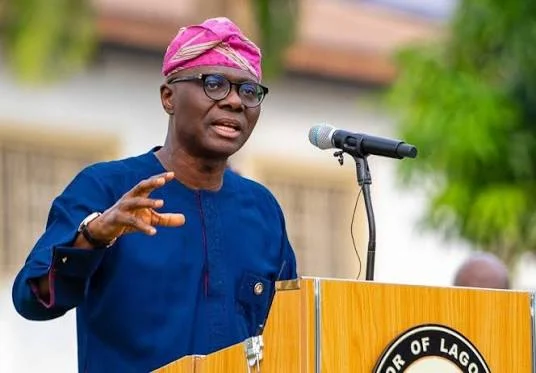
I admire the work of people like Tokunbo Wahab in Lagos State. He understands the importance of this issue. Without these efforts, Lagos, the most urban city in Nigeria, would struggle with filth. There’s still a lot to do. Tokunbo is dealing with bigger issues like illegal buildings blocking waterways and waste dumping.
We need to invest in better systems for waste removal. I urge all levels of government to find the necessary funds, even through Public-Private partnerships. Waste management may seem unappealing, but it is a huge opportunity for collectors, recyclers, manufacturers, and investors. Waste is not just a disposal issue; it can be a resource. It creates jobs, generates money, and improves public health. In a circular economy, one person’s trash can become another person’s treasure. No investment is wasted, even if it seems that way.
We need a national program to unite our people around environmental work. We should not keep inviting foreigners while neglecting our environment. We already face a disadvantage as a nation. People talk about Nigeria with distrust and sometimes pity. We can do better by showing that we are a decent nation.
Nigeria can engage millions in environmental jobs. We can focus on our surroundings. We can boost the circular economy by recycling more waste. We must enforce laws to prevent littering. We need a dedicated environmental taskforce. The environmental workers of the past helped change people’s mindsets. We need that again. Our growing population has become careless with waste disposal. The level of carelessness we see is alarming. Renewed focus on the environment and involving young people in sustainable careers will achieve many benefits.
- Reduce unemployment, especially with the impact of AI on jobs.
- Increase GDP growth by 2 to 4 percent.
- Attract new investments and create new value chains.
- Improve Nigeria’s image on the global stage.
- Restore respect among nations.
- Change the mindset of our people and instill pride in the youth.
- Showcase the beauty of Nigeria and attract foreign investments.
- Shift attention from negative news like insecurity and corruption.
- Position Nigeria as a true leader in Africa.
Drop your comment
No comments yet — be the first to drop the gist 👇