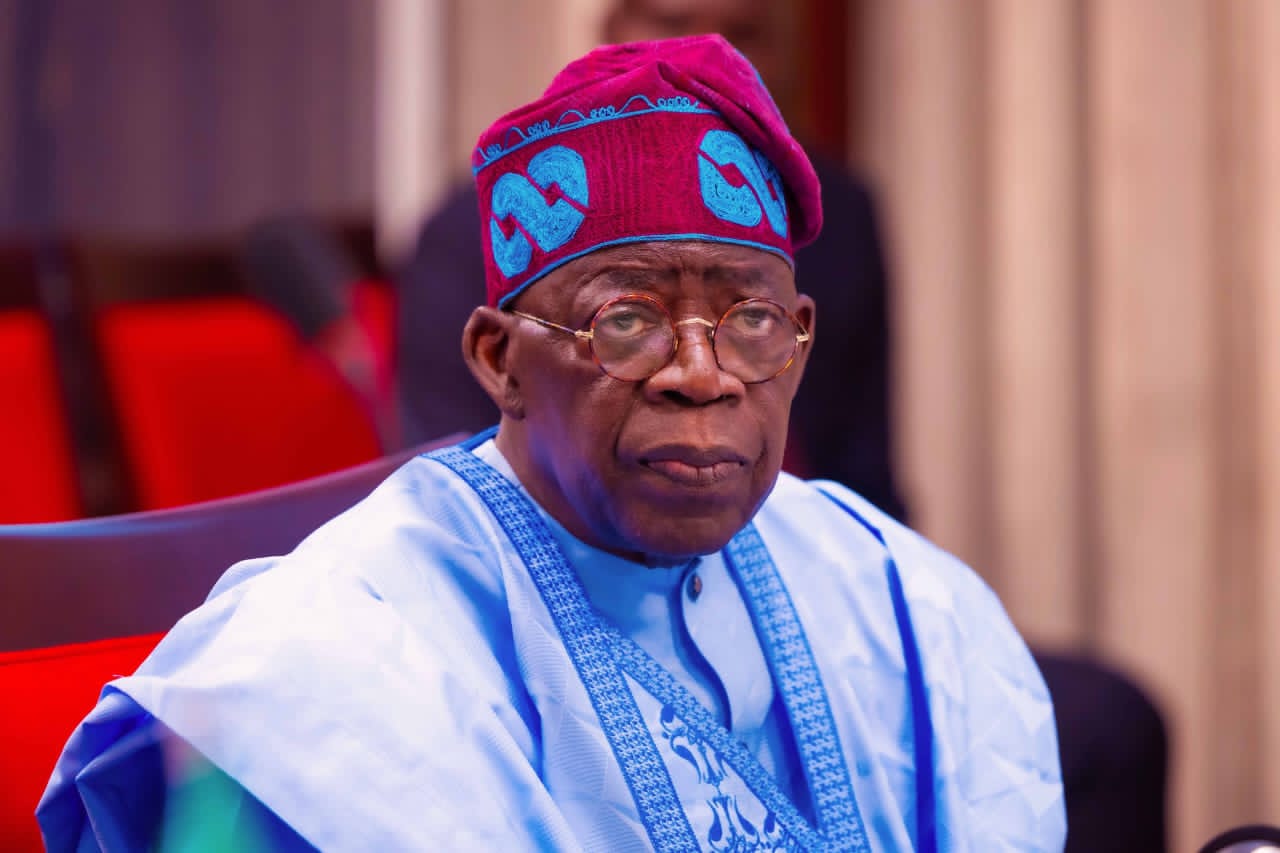
A group called the Indigenous Ijaw and Urhobo People of Warri Federal Constituency in Delta State has accused President Bola Tinubu of meddling in the implementation of a Supreme Court ruling on the delineation of electoral wards and polling units in their area.
In an open letter dated 5 June, the groups claimed that the Presidency told the Independent National Electoral Commission (INEC) to stop the implementation of its recent delineation report for Warri Federal Constituency.
The groups said if this is true, it will hurt the rule of law, the independence of INEC, and the authority of the Supreme Court.
These claims come amid ongoing tensions among different ethnic groups in the oil-rich Warri Federal Constituency over the Supreme Court ruling that ordered a new delineation of electoral wards and polling units in Warri North, Warri South, and Warri South-West local government areas.
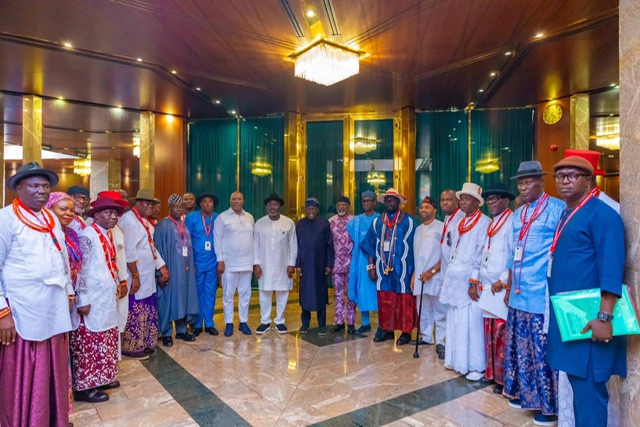
The letter was signed by Olorogun Okumagba, Paul Bebenimibo, Joel Bislaa, Ako Samuel, Akpodibakaye Authur, John Eramuor, and Alaowe Denbola on behalf of the group.
The group reminded everyone that on 2 December 2022, the Supreme Court, in case SC/413/2016 between George Timinimi and others versus INEC, ordered the electoral commission to do a new delineation of electoral wards and polling units in the three local government areas that make up the federal constituency.
According to the group, this ruling came after over ten years of fighting in court over what they called the long-standing political marginalization of the Ijaw people in the area.
They said INEC started implementing the ruling with several stakeholder meetings and field exercises. The letter mentioned that fieldwork was done in July 2024, and a draft delineation report was shared with stakeholders in April 2025 for feedback.
The group noted that INEC published its final report on 20 May. The report suggested creating two new state constituencies in Warri North and Warri South-West local government areas.
It also recommended that an additional federal constituency be created for the two councils, following constitutional steps.
The group viewed the report as an important step towards meeting the long-standing demands for better political representation in the area.
But celebrations after the report's release were cut short. They heard that the Presidency had allegedly told INEC to stop the delineation exercise because of objections from the Itsekiri ethnic group.
The group also claimed that President Tinubu’s family ties to the Itsekiri influenced this alleged intervention. However, they did not provide proof of this directive.
PREMIUM TIMES reported in May that a notable Itsekiri elder asked the federal government to intervene to prevent violence from the delineation issue.
The Indigenous Ijaw and Urhobo People of Warri Federal Constituency argued that any presidential involvement in the Supreme Court ruling’s implementation would be an attack on democracy and the rule of law.
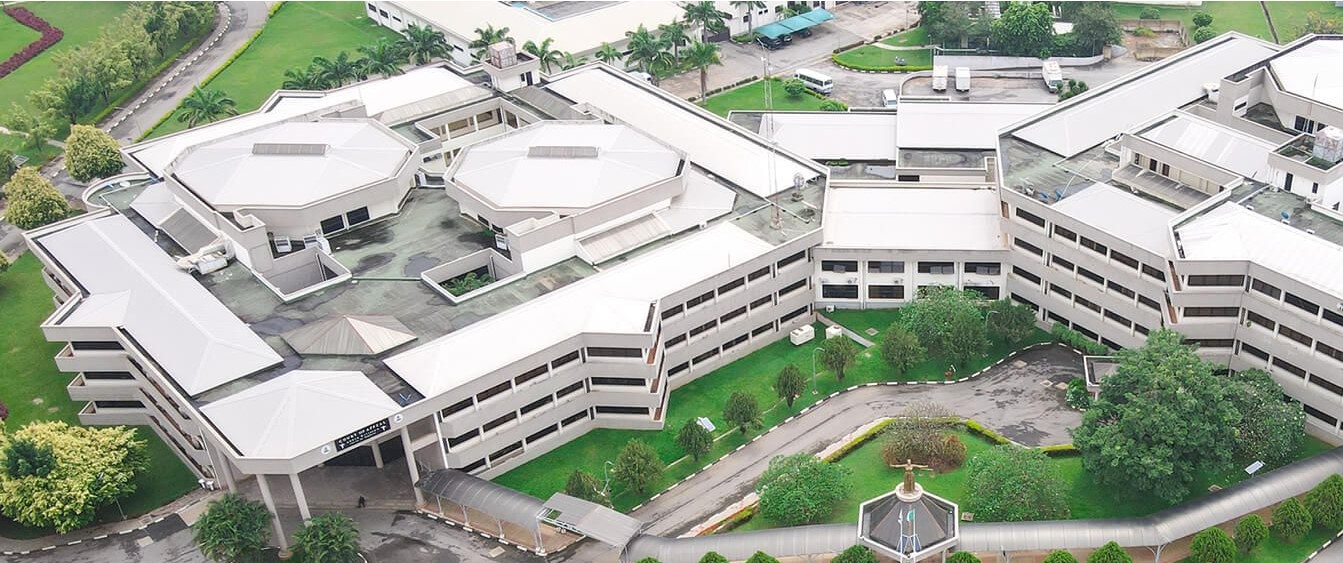
They pointed to Section 287(1) of the Constitution, stating that all authorities and individuals in Nigeria must enforce Supreme Court decisions.
They also mentioned Section 160(1) of the Constitution, which guarantees INEC's independence, saying the commission should implement the delineation report without outside interference.
"All government bodies must respect INEC’s independence for the sake of the rule of law and democracy," the group said.
They urged the Presidency to stop any alleged interference with INEC’s work on the Supreme Court ruling. They want the federal government to let the electoral commission work freely in fulfilling its constitutional duties.
They stressed that respecting the Supreme Court ruling and INEC’s independence is crucial for democracy and to prevent more tensions in Warri Federal Constituency.
Neither the Presidency nor INEC has responded publicly to the accusations in the open letter.
PREMIUM TIMES reached out to Mr Tinubu’s Special Adviser on Information and Strategy, Bayo Onanuga, for clarification on the letter’s claims.
Specifically, the newspaper asked if the Presidency told INEC anything about the Warri delineation report released on 20 May. They also asked if the Presidency knew about any decision to pause, delay, or review the exercise and its stance on claims of political pressure on INEC.
As of the time of this report, Mr Onanuga had not replied to the inquiry.
PREMIUM TIMES also sought information from INEC about the claims in the open letter. They asked the Chairman of the Information and Voter Education Committee, Mohammed Haruna, if the commission had received any directive from the Presidency or any other government body regarding the implementation of its final delineation report released on 20 May.
They also inquired whether INEC was moving forward with the report’s implementation or if any part of the process was paused, delayed, or reconsidered. The newspaper further asked about the measures INEC has in place to ensure compliance with the Supreme Court ruling and to protect its independence.
They also wanted to know if external political or ethnic interests were affecting the delineation exercise and what INEC’s timeline and next steps were for implementing the report ahead of the 2027 general elections.
Mr Haruna had not responded to the inquiry as of the time of this report.
This controversy adds a new layer to the already sensitive discussion about representation and electoral boundaries in Warri. The Ijaw, Itsekiri, and Urhobo groups have historically argued over political power and resource distribution.
Drop your comment
No comments yet — be the first to drop the gist 👇