Indigenous Peoples and civil society groups have urged the United Nations to stop treating sacred animals and nature as money-making tools for carbon and biodiversity markets. They warned that this could lead to the extinction of wildlife.
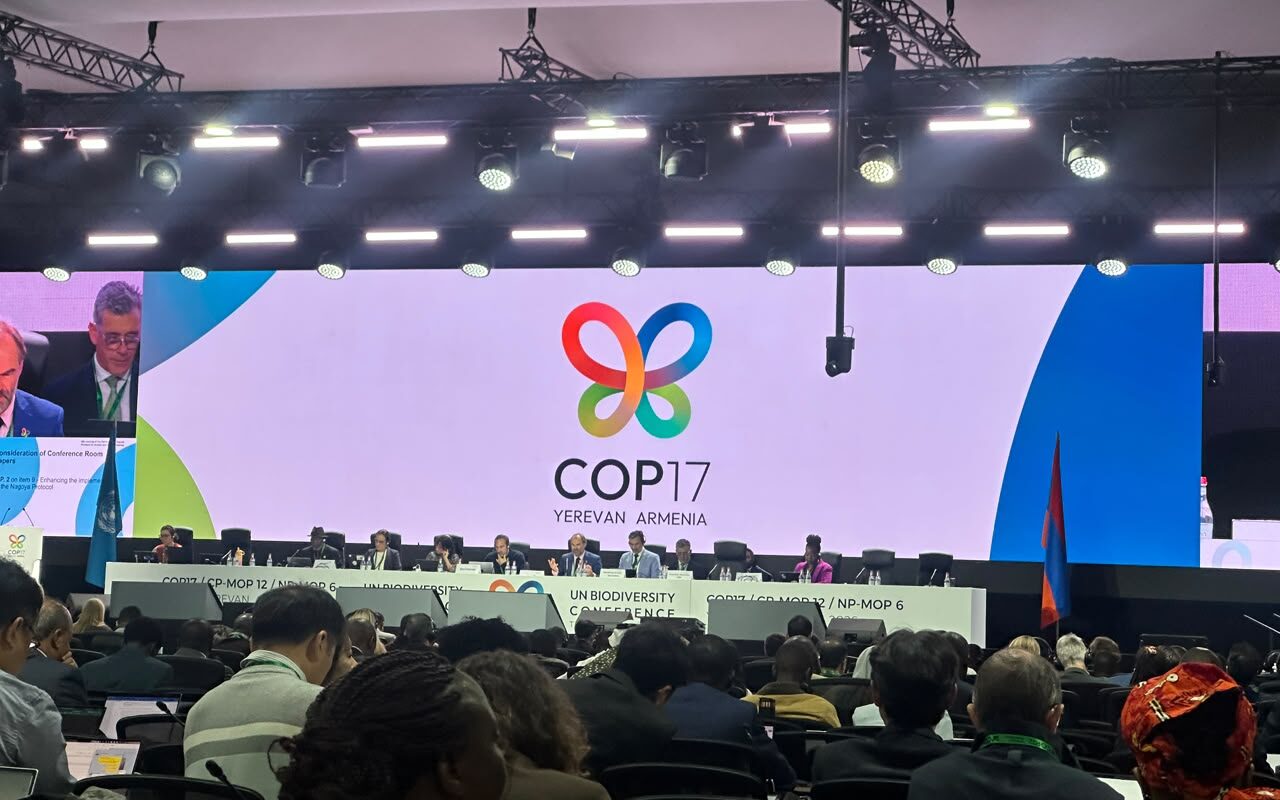
The groups made this appeal on Tuesday at the 17th Conference of the Parties to the United Nations Convention on Biological Diversity (CBD COP17) taking place in Yerevan, Armenia.
They are worried that animals like buffalo, jaguars, orangutans, and whales are being included in offset programs. They believe this lets oil and mining companies claim they are helping the environment without really fixing the harm they cause.
"We are alarmed that buffalo, jaguars, orangutans, and even whales are being turned into offsets to greenwash oil and mining companies. Indigenous Peoples and civil society demand that the United Nations immediately stop monetising their sacred animals and nature as 'natural capital' for carbon and biodiversity markets because it will contribute to their extinction," the groups said.
These concerns arise during talks about Article 8(j) of the Convention. This article calls on countries to respect and maintain the traditional knowledge and practices of Indigenous Peoples and local communities that are important for biodiversity conservation.
It also highlights how crucial Indigenous knowledge is for conserving and using biodiversity sustainably.
Discussions about nature-based financial solutions are ongoing at COP17. Delegates are trying to figure out how to implement the Kunming-Montreal Global Biodiversity Framework. This framework aims to set global targets to stop and reverse biodiversity loss by 2030.
Since the talks began last week, there have been major questions about which countries and groups should help fund international biodiversity efforts, how much money should be raised, and how it should be used.
Countries are also divided on how to reduce or phase out harmful incentives to biodiversity, like some agricultural subsidies.
Other issues still need resolution. These include which commercial users of digital sequence information should contribute to the Cali Fund and how to set up a new permanent body for Indigenous Peoples and local communities under Article 8(j). There are also questions about aligning biodiversity actions with climate commitments and other international responsibilities.
Amid all this, Indigenous representatives and environmental groups warn that carbon and biodiversity credit schemes might hurt conservation efforts. They say these schemes could let companies offset their environmental damage instead of preventing it.
Aimee Robeson, the executive director of Cultural Survival, said that biodiversity conservation should not rely on putting money values on animals and ecosystem services.
"If we truly care about biodiversity, we should not be tempted to monetise our relatives or ecosystem services like carbon sequestration. They have inherent value that cannot be reduced to a dollar amount," Ms Robeson said.
She called market-based schemes false solutions that could worsen environmental problems. She argued that they could lead to biodiversity loss and damage ecosystems.
"There can be no sacrifice zones, no trade-offs, and no offsets if we want life on Mother Earth to survive for generations to come," she said.
Tom Goldtooth, executive director of the Indigenous Environmental Network, said Indigenous Peoples see nature as a relative, not a financial asset.
"For Indigenous Peoples, nature is not an asset class, she is our Mother," Mr Goldtooth said.
He specifically rejected using buffalo in carbon credit schemes, explaining that buffalo are central to Indigenous identity and heritage.
Mr Goldtooth noted that commercial slaughter reduced the buffalo population from about 60 million to 70 million in 1853 to just a few thousand by the 1880s.


He criticized plans to use buffalo-related soil carbon storage to create credits that would allow polluters to keep emitting greenhouse gases.
"Our buffalo, Tanka Oyate, are part of our genesis, not 'bison bonds.' Carbon trading is an offensive scam that threatens the future of humanity. Bring back the buffalo, not colonialism!" he said.
Wilmer Lucitante from UDAPT, Friends of the Earth-Ecuador, and the Indigenous A’i Kofán Nation also criticized using jaguar habitats to create carbon credits.
He argued that monetising these animals could shield extractive industries while ignoring the threats posed by oil drilling and mining.
"Turning our sacred jaguars into carbon credits is a false solution to climate change that speeds up their extinction while greenwashing extractive industries. Instead of monetising wildlife, we need to stop oil drilling and mining in the Amazon," Mr Lucitante said.
In Indonesia, Andine Fahira Lubis from WALHI, also known as Friends of the Earth-Indonesia, raised fears about biodiversity offsets for the critically endangered Tapanuli orangutan.
With fewer than 800 individuals left, this species is one of the world’s rarest great apes.
Ms Lubis claimed the orangutans are being used in biodiversity offset schemes linked to the Martabe Gold Mine in Sumatra, run by PT Agincourt Resources, a subsidiary of Jardine Matheson. The mine is located in Indigenous Peoples’ territories in the Batang Toru ecosystem.
"Not only is the sheer hypocrisy of orangutan offsets staggering, but as our report clearly shows, offsets cannot redeem the irreplaceable," she said.
The debate also touches on mining projects in Armenia, where the COP17 is taking place.
Nazeli Vardanyan, director of Armenian Forests, mentioned the Amulsar gold mine, which plans to use biodiversity offsets in areas home to the Caucasian leopard and brown bear. These species' habitats could be threatened by the mine.
She said civil society groups have campaigned against the mine for 20 years. Its approval just before the biodiversity summit raised fears about using offsets for environmental damage.
The groups warned that putting financial values on wildlife and their habitats could let companies claim they are conserving while still threatening biodiversity.
Cassandra Smithies, an offsets expert with the Global Justice Ecology Project, said the UN should not back schemes that let extractive industries use Indigenous lands and ecosystems for carbon credits.
"Putting a price on nature will not save nature; it will destroy her," Ms Smithies said.
She stressed that Indigenous lands, animals, and oceans should not be seen as carbon sinks for industries that produce greenhouse gas emissions.
"The United Nations must not be complicit with green colonialism," she said.


Drop your comment
No comments yet — be the first to drop the gist 👇