The World Health Organisation (WHO) has said that Ebola survivors can pass the virus through sex if it stays in their semen after they recover. But survivors who have met the discharge criteria from treatment are not expected to pass the virus through sweat or saliva.
Patrick Otim, the programme area manager for emergency response at the WHO Regional Office for Africa, shared this information in a video responding to questions about the virus.
Mr Otim said male survivors should get advice on safer sex practices and have access to condoms after leaving treatment centres. He also said they need to have regular semen tests until they get two negative results in a row.
“Ebola virus after recovery and for patients with what we call a viral persistence can be transmitted through sexual intercourse,” he said.
He added that the virus might stay in some parts of the body after clinical recovery. This poses a risk of passing it through infected semen.
The WHO recommends that male survivors engage in safer sex for 12 months if there is no semen-testing program. If testing is available, they should have regular tests until they receive two negative results.
Mr Otim explained that survivors who have recovered and left treatment centres cannot spread the virus through sweat or saliva because it would have been cleared from their blood. He mentioned that patients needed to have two negative blood tests before they could be discharged. Survivors who met these criteria cannot transmit the virus through these fluids.

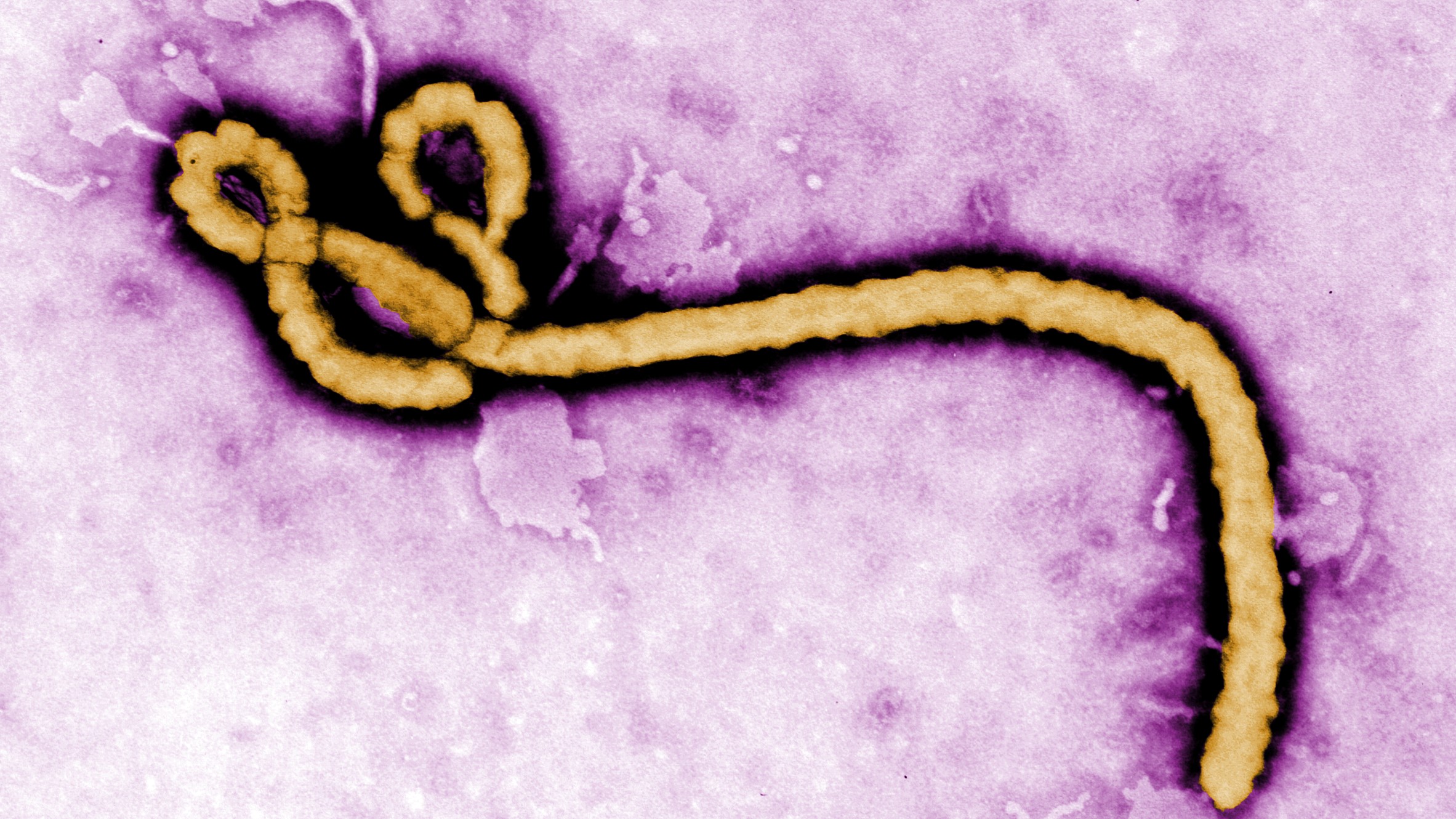
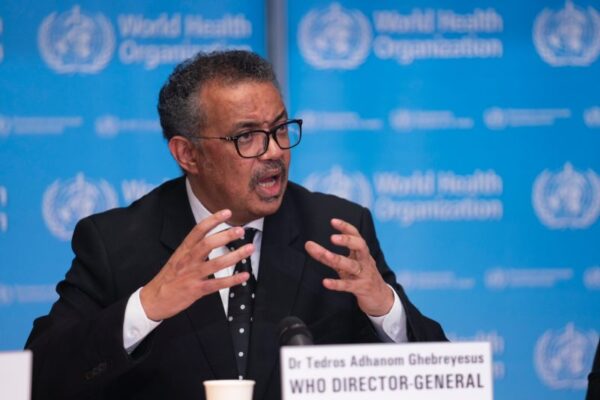
But he warned that people who are still sick can spread Ebola through sweat and other body fluids.
This explanation comes as there is an ongoing Ebola outbreak in the Democratic Republic of the Congo (DRC) and Kenya.
Nigeria confirmed an imported case on 20 October. The patient is a 42-year-old Ugandan-born woman living in Abuja. She was evacuated to Switzerland with her husband on 26 October.
Even though the WHO stated that Nigeria had no active confirmed cases after the evacuation, health authorities are still monitoring contacts and taking steps to contain the virus.
In the DRC, the outbreak has seen 10,060 confirmed cases and 4,887 deaths, according to the Ministry of Public Health's figures released on Tuesday.

Drop your comment
No comments yet — be the first to drop the gist 👇