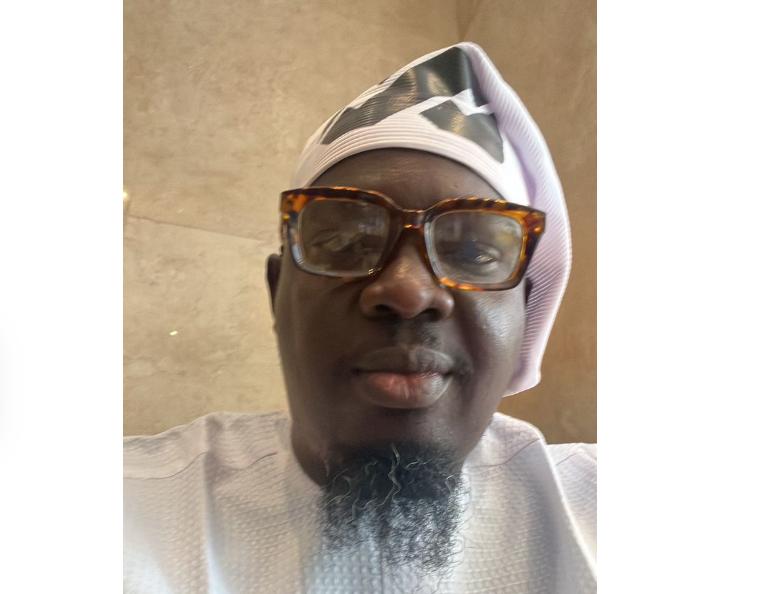
As Nigeria prepares for another election, support groups are coming together behind their chosen candidates.
The Christian Youth Movement for Tinubu-Shettima is a socio-political group that aims to unite Christian youths across Nigeria in support of the president’s re-election.
PREMIUM TIMES talked to its leader, Adeleke Emmanuel.
Below is an excerpt from the interview:
PT: Your organisation is called the Christian Youth Movement for Tinubu-Shettima. Why that name, and can anyone join?
We picked this name because of the unique situation in the 2023 elections when Nigeria was divided along religious lines over the APC’s same-faith presidential ticket. We believed that staying silent would let religious tension cover up important issues like competence and national development. The name shows the Christian community that supporting a candidate based on their ability and vision is possible and smart.
That said, we are not a closed group. We welcome well-meaning young Nigerians from all religions who believe in the Renewed Hope agenda. Issues like poverty, joblessness, and insecurity affect everyone, and only a united front of Nigerian youth can tackle them.
PT: What is your group’s goal, and how many members do you have?
Our main goal is to connect the government and the people by mobilising, educating, and empowering youth. We think for democracy to work, young people must actively participate in policymaking and not just watch from the sidelines.
We have set up networks in all 36 states and the Federal Capital Territory, including a diaspora branch. Our database has over 1.2 million verified members, including coordinators at state, local government, and ward levels who can activate grassroots mobilization in less than 24 hours.
PT: Are your members only supporting Tinubu-Shettima, or all APC candidates?
Our identity is closely linked to President Tinubu and Vice President Shettima’s re-election, so we work within the larger APC family. But our strategy is broad. To make the Renewed Hope Agenda a success, the president needs a supportive legislature and stable state structures. Our members also mobilise for APC gubernatorial, senatorial, and legislative candidates. We believe the president’s success is best achieved when the party wins at all levels.
PT: Will your group be involved in the upcoming governorship elections in Osun and Ekiti?
Yes, the South-west is a key area for our progressive agenda, and we will be active in both states. We will use our existing state, local government, and ward structures to mobilise grassroots voters, focusing especially on faith-based youth. Our role will be to support local structures, not take over. We will educate young voters on why the South-west’s continued support for the progressive centre under President Tinubu is essential for the region’s growth.
PT: The APC recently held primaries that many criticized for irregularities. What is your opinion?
In a large, established party like the APC, internal competitions will be tough. What many call controversy often reflects the high stakes and excitement among candidates. What matters is what happens after the votes. A true political family shows its strength by resolving conflicts. We praise the party leadership for setting up internal conflict resolution and reconciliation committees.
For us at the CYM, our duty is to unite young people, heal internal divisions, and build a strong front for the general elections. Our goal remains a shared victory for Nigeria’s progress.
PT: What specific policies of the Tinubu administration have impressed your group?
We appreciate the president’s willingness to tackle long-standing issues that past administrations avoided. Three key areas stand out:
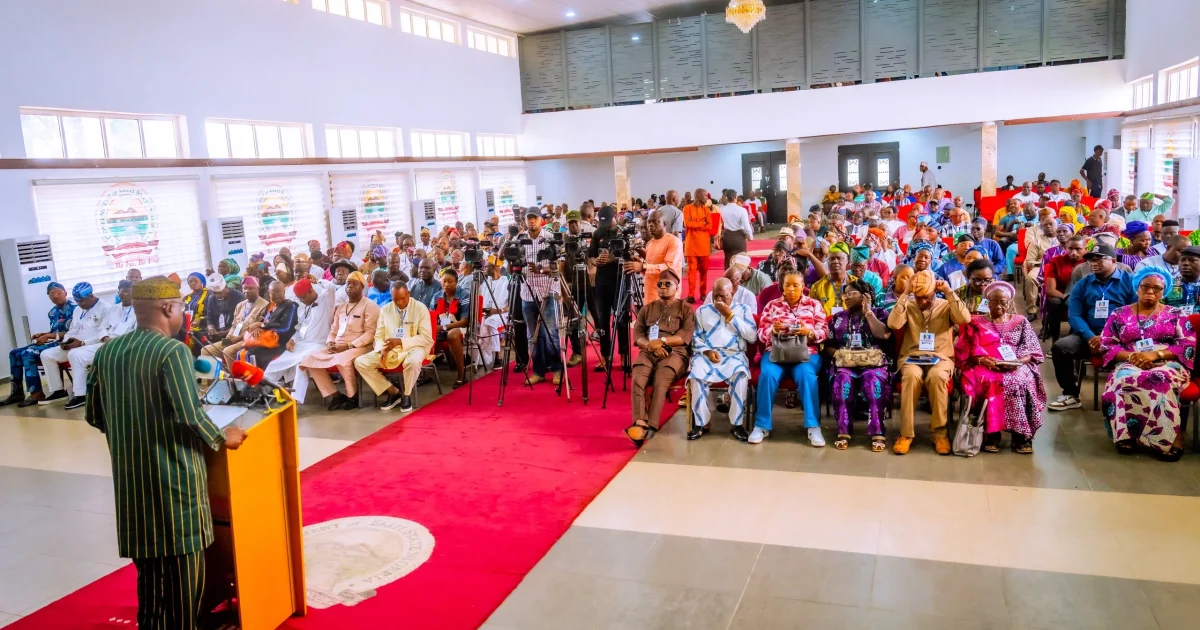
- Local Government Financial Autonomy: For years, local governments lacked funding because of state interference. This administration’s push for full financial independence for all 774 LGAs brings governance closer to the youth.
- Nigerian Students’ Loan Scheme: This is a significant change. It removes financial barriers to higher education, ensuring no talented but poor young Nigerian is denied access.
- Infrastructure investment: The focus on the Federal Road Maintenance Agency and major projects like the Lagos-Calabar Coastal Highway shows an understanding that infrastructure is key to economic growth and youth employment.
We would not be honest if we said we were not concerned. As a grassroots movement, we feel the daily struggles our people go through, and we acknowledge the real fears about security and the economy. But we strongly reject the idea of failure.
What Nigeria is facing is the pain of necessary changes. For years, the country was held up by an unsustainable fuel subsidy and a skewed foreign exchange market that benefited a few at the expense of many. President Tinubu made the tough choice to end this on day one. Any doctor will tell you that removing a harmful growth causes pain before healing. The government is not ignoring public suffering; it is taking steps to stabilize the economy, boost local production, and reform security. This is the patriotic thing to do, to support the doctor during a difficult operation instead of leaving the operating room halfway.
PT: Almost all regions of Nigeria are now facing security issues. Even the South-west, which was once safe, has seen attacks in Ondo, Ekiti, and Oyo. Isn't that enough reason to withdraw support?
Every innocent life lost to crime is heartbreaking, and we do not take the situation lightly. But to say that bandits and terrorist groups are operating freely ignores the huge, mostly unseen fight our armed forces are carrying out daily.
The security challenges we see are largely due to years of neglected intelligence systems, weak borders, and underfunded agencies. This administration took over these issues. Instead of making it a political matter, the government is working on structural reforms, including investing in technology, military tools, and drones to shift our security focus from reaction to prevention. It is also tackling the root causes of insecurity, poverty and rural neglect, by empowering youth and pushing for local government autonomy.
The government is strengthening partnerships with state governors to enhance local security outfits like Amotekun, allowing for better coordination and intelligence-led responses to threats in Oyo, Ondo, and Ekiti. Tackling insecurity takes time, but the changes being made are important.
PT: Prices of everything, petrol, rice, garri, millet, have more than doubled since this government took office. How will you convince Nigerians to support a second term?
We fully understand that Nigerians are struggling. Our members buy the same rice, petrol, and garri, so we feel it ourselves. But when we talk to Nigerians about a second term, we are not asking them to vote for their current suffering. We are asking them to vote for a future with promise. Three points support our argument:
- Cost of inaction would lead to bankruptcy: Before the president took office, Nigeria spent over 90 percent of its revenue on debt servicing and lost trillions monthly to fuel subsidies and currency distortions. Without those hard first decisions, the country risked economic collapse, banks shutting down and unpaid salaries, like in other developing nations.
- Shift from consumption to production: Our long-standing reliance on imports is the cause of rising prices. The government is investing in big agricultural projects, solar-powered irrigation, and natural gas systems to lower transport costs.
- Structural repair takes time: It is not possible to fix two decades of economic problems in a few months. However, key indicators are improving. Revenue going to the Federation Account has doubled, and these funds are being used for infrastructure, the student loan scheme, and local community development.
PT: How would you rate the president’s ministers? Who has done well?
Overall, we view the cabinet as skilled people working under significant national pressure. The president’s introduction of a Key Performance Indicator system to monitor his appointees shows that he will not tolerate underperformance. A few ministers have stood out with their visible work:
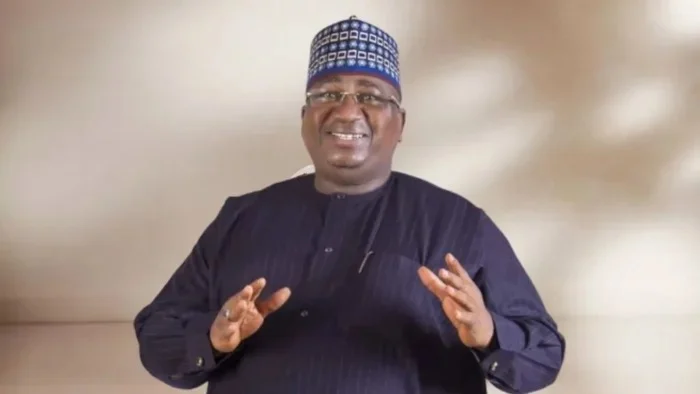
- Olubunmi Tunji-Ojo (Minister of Interior): He has led a major digital transformation in a traditionally slow ministry, improving the passport process, clearing backlogs, and reforming the Immigration and Correctional Services.
- Charles Odii (Director-General, SMEDAN): He has pushed forward youth entrepreneurship, making it easier to access loans and creating platforms for young Nigerians to develop their ideas.
PT: If you could talk directly to President Tinubu, what would you say? What policies should he continue, and what should he change?
I would tell the president that his readiness to make tough, unpopular choices will define how history sees him. The active Nigerian youth who support real change see the important work he is doing and will back his vision until 2027.
But true loyalty means being honest, not flattering. Here is what I would urge him to keep doing:
- The Student Loan Scheme: This policy is helping many families. I would ask him to expand it to include technical, vocational, and digital skills training.
- Local Government Financial Autonomy: This could be one of the most impactful grassroots policies in Nigeria. Implementation must be strict to prevent governors from diverting funds away from the 774 LGAs.
- CNG transition: Setting up compressed natural gas transport hubs in all 36 states is a practical solution to rising transport costs. This needs to happen quickly.
- Speed of relief delivery: While macroeconomic reforms are needed, palliatives, agricultural support, and small loans must reach people faster. We need to remove bureaucratic delays that slow down these efforts.
- Naira stabilisation: The Central Bank must take stronger steps against currency speculation. The fluctuating exchange rate makes it hard for youth-led businesses to plan, import materials, or grow.
- Cabinet renewal: Ministers who can’t keep up with the president or can’t communicate their work well should be replaced, ideally with younger, capable Nigerians.
Drop your comment
No comments yet — be the first to drop the gist 👇