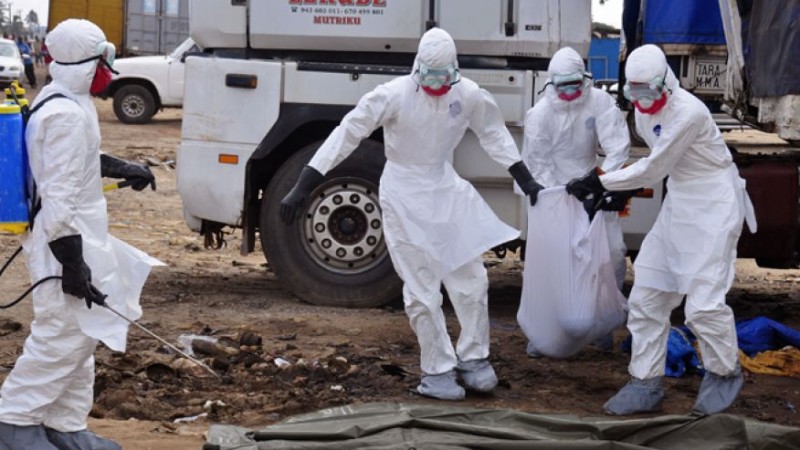
Kenya has reported a third case of Ebola. This time, a 65-year-old woman tested positive while in quarantine.
She is a close relative of Kenya's first Ebola patient, a 40-year-old man who died on 5 October. He had just arrived in Kenya from the Democratic Republic of the Congo (DRC) two days earlier.
The Associated Press reported that this woman was in quarantine since 6 October. She started showing symptoms before her test result came back positive. She has been moved to an infectious disease unit for treatment.
The second patient, a 39-year-old man from the same family, is stable, according to Kenya's Ministry of Health.
The ministry also stated that there is no sign of community transmission. All three cases are linked to the first patient, and everyone involved has been in quarantine.
As this situation unfolds, Nigeria is keeping a close eye on the outbreak in the region. The country is also preparing for the possibility of the virus reaching its borders.
PREMIUM TIMES reported on 7 October that the Nigeria Centre for Disease Control and Prevention (NCDC) is reviewing how ready the country is after Kenya confirmed its first imported case of the Bundibugyo strain of Ebola.
In a statement on 6 October, the NCDC highlighted the risk of the virus being imported through travel. They stressed that the virus could enter Nigeria due to population movement.
The agency is working with the Federal Ministry of Health and Social Welfare, Port Health Services, state governments, and other partners. They aim to improve surveillance, early detection, lab diagnosis, isolation, contact tracing, and infection prevention.
Nigeria also held a national Ebola preparedness simulation exercise to check its readiness for possible cases.
As of 6 October, the NCDC said Nigeria had no confirmed Ebola cases.
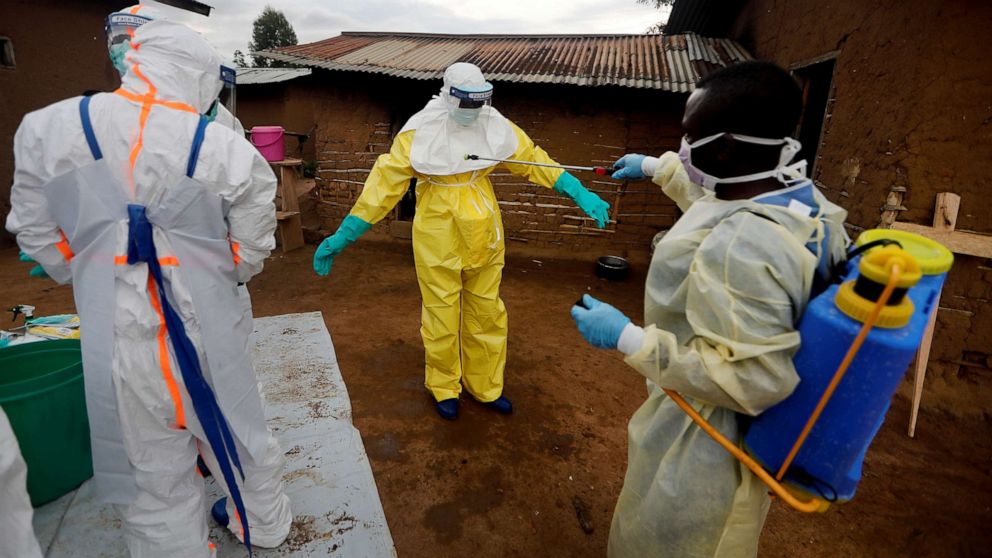
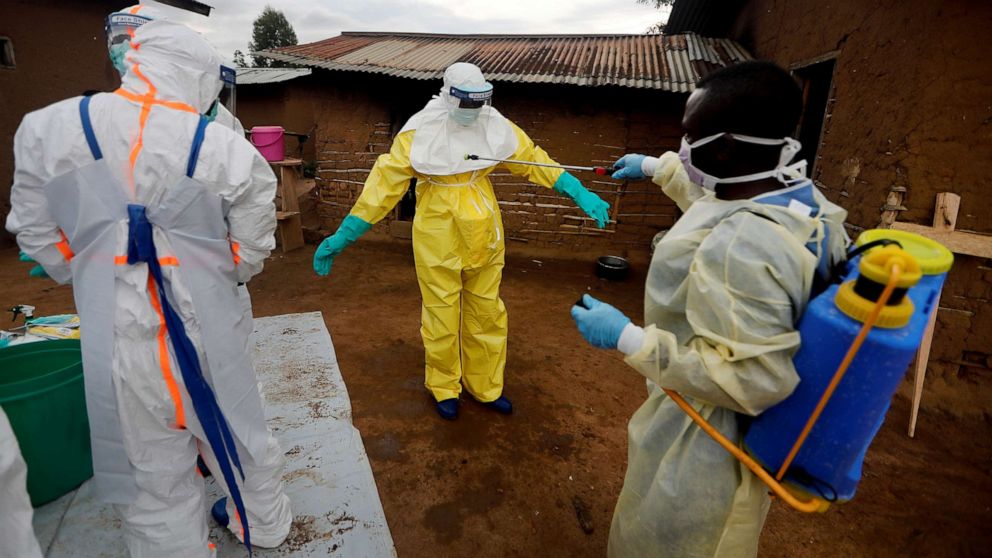

The first case in Kenya was a 40-year-old man from DRC who traveled through Uganda before arriving in Nairobi. He tested positive for Ebola and died on 5 October.
The second case confirmed on 14 October raised worries about more infections among those exposed to the first patient.
PREMIUM TIMES reported on 14 October that the second patient, a 39-year-old relative of the first case, showed symptoms while in quarantine.
At that time, Kenyan authorities had identified 128 contacts related to the first patient. They found 113 of them and were still trying to trace the remaining 15.
In a report on Friday, AP mentioned that three contacts of the initial patient were still unaccounted for. Authorities are working hard to trace anyone who might have been exposed.
With the latest case, Kenya now has three confirmed Ebola infections.
These cases are connected to the ongoing Ebola outbreak in the DRC. This outbreak has led to thousands of infections and deaths due to the Bundibugyo virus.
The World Health Organisation (WHO) reported that as of 23 September, the DRC had recorded 7,890 confirmed cases and 3,799 deaths.
The outbreak has raised fears about cross-border transmission. This is especially concerning as people travel between affected areas and neighboring countries.
The Bundibugyo virus is a unique type of Ebola virus. There is currently no approved vaccine or treatment for this strain.




Drop your comment
No comments yet — be the first to drop the gist 👇