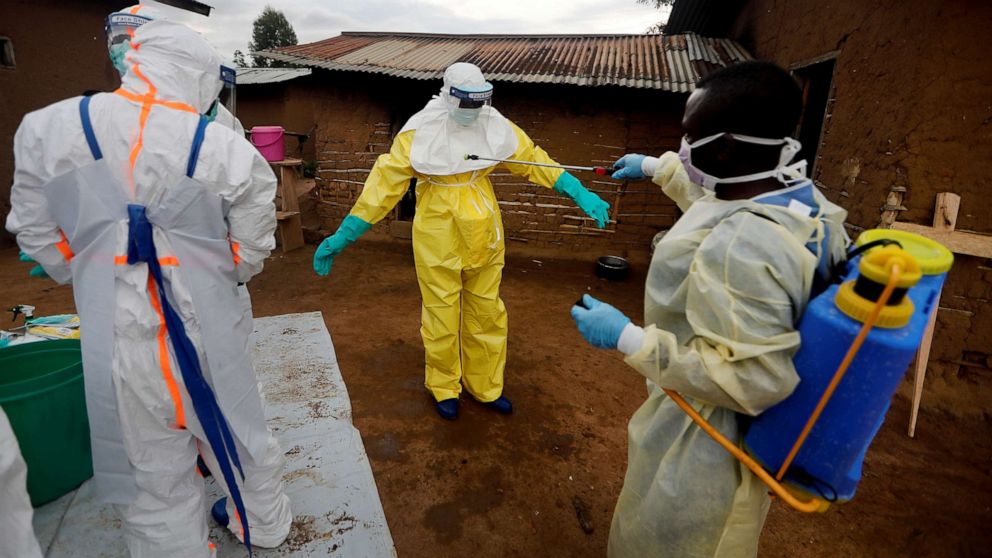
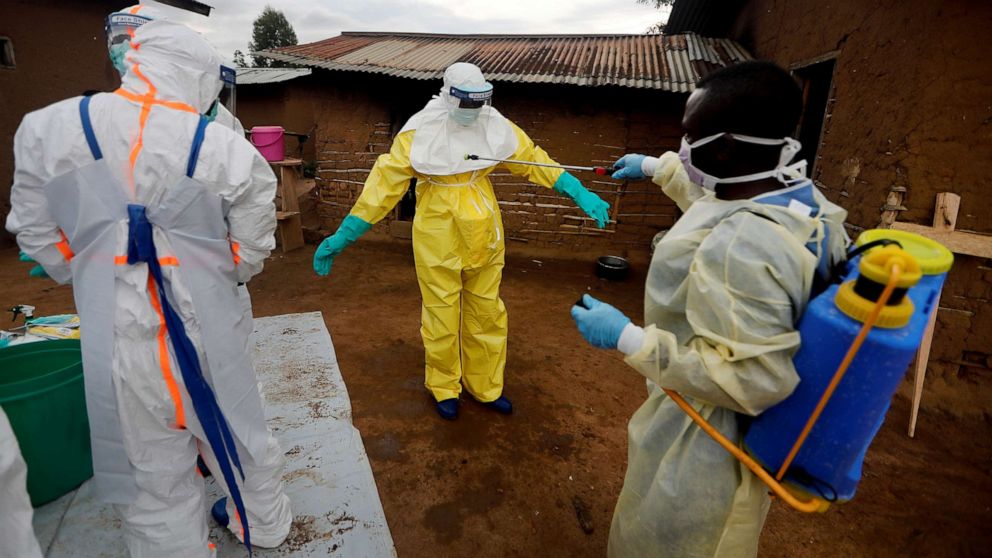
Kenya has confirmed a second case of Ebola. This involves a 39-year-old man who started showing symptoms while in quarantine. This came just 10 days after the first confirmed patient died.
This news follows the report about Kenya's first case of the Bundibugyo strain of Ebola virus. That case was linked to the ongoing outbreak in the Democratic Republic of the Congo (DRC).
According to a report by the BBC, the second patient is a close relative of the first case. He developed symptoms on Tuesday, 13 October, while already under health authorities' watch in quarantine.
The Kenyan Ministry of Health confirmed that both cases are connected. They noted that there is no evidence of the virus spreading in the wider community.
The first patient was a 40-year-old man who traveled from the DRC through Uganda. He died on 5 October after testing positive for Ebola in Nairobi.
After confirming the second case, health officials in Kenya ramped up efforts to trace people who came into contact with the first patient. Of the 128 contacts identified, 113 have been found as of Tuesday. That includes 108 who are currently in quarantine in Kenya. Authorities are still trying to locate the remaining 15 contacts.
The health ministry stated that finding the second case early has increased the patient’s chances of recovery. It also helps to lower the risk of further spread of the virus.

They advised people to seek immediate medical help if they experience fever, unusual tiredness, muscle or joint pain, vomiting, diarrhea, or unexplained bleeding.
Ebola is a serious viral disease that can lead to severe illness and death. It spreads through direct contact with the blood or other fluids of an infected person who is showing symptoms or from the body of someone who has died from the disease.
Symptoms can include fever, fatigue, muscle pain, vomiting, and diarrhea. The time it takes for symptoms to appear can range from two to 21 days. This means symptoms can develop weeks after someone is exposed to the virus.
The ongoing outbreak in the DRC is due to the Bundibugyo species of the Ebola virus. This outbreak has also been linked to cases in other countries, including Uganda.
Unlike some other types of Ebola virus, there is no specific vaccine or treatment approved for Bundibugyo. But supportive medical care can help improve a patient’s chances of survival.


Drop your comment
No comments yet — be the first to drop the gist 👇