
The number of children getting the third dose of the pentavalent vaccine (Penta 3) in Kwara has gone up from 34.9 percent in 2024 to 50.4 percent in 2025, 2026.
Nusirat Elelu, who is the executive secretary of the Kwara State Primary Healthcare Development Agency, shared this information in a statement on Wednesday.
She explained that this increase comes from a recent survey report released by the Federal Ministry of Health and Social Welfare.
Ms Elelu called the new survey results encouraging signs of progress in child health across the state.
She also mentioned that the number of children aged 12 to 23 months who had not received any vaccines dropped from 48.1 percent to 27.3 percent during this time.
This shows significant progress in reaching more children with important immunisation services.
The executive secretary said the pentavalent vaccine, given to children at six, 10, and 14 weeks, protects them from five serious diseases. These include diphtheria, tetanus, and whooping cough.
"This improvement in our pentavalent vaccine coverage shows the Kwara government’s effort to improve child health.
“It also highlights the importance of routine immunisation in keeping children safe and helping them grow well," she said.
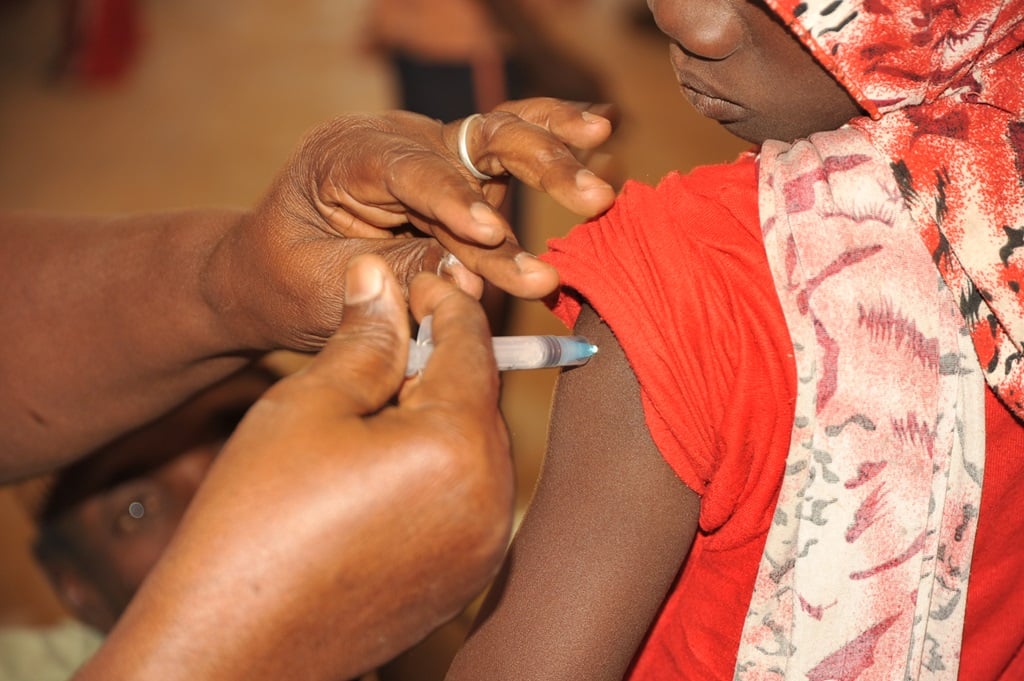


Ms Elelu quoted the survey, noting that stunting fell from 40.8 percent to 35.5 percent. Wasting also dropped from 6.1 percent to 3.5 percent, while underweight cases reduced from 24.5 percent to 14.8 percent.
She pointed out that these improvements are positive signs in efforts to support child survival, healthy growth, and overall wellbeing in Kwara.
"This is one of the best improvements in our nutrition data recorded in Kwara in recent years," she said.
She credited the success to the state government’s support for primary healthcare, especially through nutrition-focused programs and the biannual Maternal, Newborn, and Child Health Week.
She promised that the agency will keep working to improve primary healthcare delivery through routine and outreach immunisation, community engagement, nutrition services, and growth monitoring.
She urged parents and caregivers to maintain these gains by bringing their children to the nearest primary healthcare centre for free routine immunisation.
Ms Elelu also encouraged them to keep their immunisation cards updated, join community outreach programs, and regularly check their children’s growth.




Drop your comment
No comments yet — be the first to drop the gist 👇