The Nigeria Centre for Disease Control and Prevention (NCDC) has pointed out that high treatment costs and delays in visiting health facilities are major problems in Nigeria's fight against Lassa fever. This comes as new infections have increased for two weeks in a row.
The agency shared this information in its reports for epidemiological weeks 45 and 46, covering 2 to 8 November and 9 to 15 November 2026.
The reports showed that new confirmed infections rose from 13 in week 44 to 18 in week 45, and then to 22 in week 46.
In total, there have been 40 new confirmed infections over these two weeks.
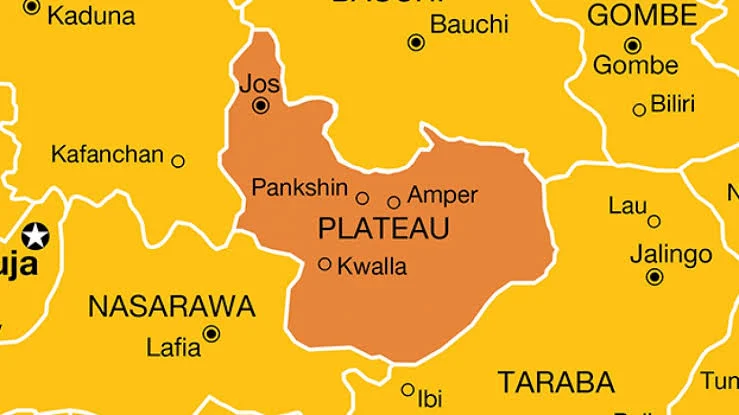
The latest cases were reported in Bauchi, Ondo, Edo, and Benue states. The cases from the previous week were in Ondo, Bauchi, Edo, and Plateau states.
The NCDC noted that both suspected and confirmed cases this year have exceeded those reported during the same period last year.
So far in 2026, Nigeria has recorded 278 deaths from Lassa fever, with a case fatality rate (CFR) of 22.7 percent as of week 46.
While this fatality rate dropped from 23.1 percent in week 45, it is still higher than the 18.5 percent seen during the same time last year.
The total number of reported deaths stayed the same across the two reporting weeks.
This means that more than one in five people with confirmed Lassa fever in Nigeria have died this year.
The NCDC has identified late presentation of patients as a key reason for the high fatality rate. This is linked to poor health-seeking behavior due to treatment costs and disease management issues.
Other challenges include poor environmental sanitation and lack of awareness in communities that have many infections.
The NCDC reported that 26 states have had at least one confirmed case of Lassa fever across 122 local government areas (LGAs) in 2026.
But five states, Ondo, Bauchi, Taraba, Edo, and Benue, are responsible for 87 percent of all confirmed infections. The remaining 21 states make up just 13 percent.
Ondo has the highest number of confirmed cases at 37 percent, followed by Bauchi at 24 percent, Taraba at 11 percent, Edo at 10 percent, and Benue at five percent.
Ondo and Bauchi together account for 61 percent of all confirmed infections in the country.
The reports also revealed that people aged between 21 and 30 years are the most affected group. However, there have been confirmed infections among people aged one to 93 years.

The median age of confirmed patients is 30 years, and the male-to-female ratio is 1:0.9.
No new infections among healthcare workers were reported during these two weeks.
To improve Nigeria's response to Lassa fever, the NCDC has completed a five-year strategic plan for 2026 to 2030. It also has a new edition of the national clinical management guidelines for the disease.
The agency met with state health commissioners to discuss plans for the upcoming outbreak season.
In partnership with the United Nations Children's Fund (UNICEF) and the World Health Organization (WHO), the NCDC trained data teams in eight states to review deaths linked to Lassa fever.
The states involved are Edo, Bauchi, Ondo, Ebonyi, Benue, Plateau, Nasarawa, and Taraba.
Other actions include searching for active cases, tracing contacts, training frontline health workers, and giving personal protective equipment to health facilities.
The agency developed a 30-day protection plan for healthcare workers to reduce infections among frontline staff in areas where the disease is common.
Currently, the national Lassa fever Incident Management System has shifted to alert mode, and coordination continues through a national multisectoral technical working group.
The NCDC has urged state governments to keep community engagement on Lassa fever ongoing, not just during outbreaks.
It also advised healthcare workers to stay alert for the disease, ensure timely referrals and treatment, and follow standard infection prevention steps.
The agency stressed the need for ongoing collaboration with partners to improve the ability of states to prevent, detect, and respond quickly to Lassa fever outbreaks.
Lassa fever is a serious viral illness spread mainly through contact with food or household items contaminated by the urine or droppings of infected rats.
It can also spread from person to person, especially in healthcare settings where infection control is not effective.
The NCDC recommends storing food in rodent-proof containers, keeping the environment clean, and avoiding contact with rodents.
People who show symptoms of Lassa fever, especially after possible exposure, should seek medical help right away.


Drop your comment
No comments yet — be the first to drop the gist 👇