Nigeria has reported 268 deaths from Lassa fever in 2026. The case fatality rate is now at 23.6 percent. This is up from 18.6 percent during the same time in 2025. This information comes from the Nigeria Centre for Disease Control and Prevention (NCDC).
These deaths were recorded among 1,138 confirmed cases from epidemiological weeks one to 40. This period runs from September 28 to October 4, 2026.
The NCDC’s latest report shows that confirmed cases have gone up from 924 in the same period of 2025 to 1,138 this year. Deaths have also increased from 172 to 268.
These numbers show that Lassa fever continues to be a problem, even though there has been a drop in new confirmed infections recently. In week 40, new confirmed cases fell to three. This is down from 13 the week before. The latest cases were found in Bauchi and Benue states.
One death was noted among the three confirmed cases that week. This gives a weekly case fatality rate of 33.3 percent. The NCDC said the high fatality rate is partly due to patients coming to hospitals late. The high cost of treatment and poor health-seeking habits in affected areas also contribute.
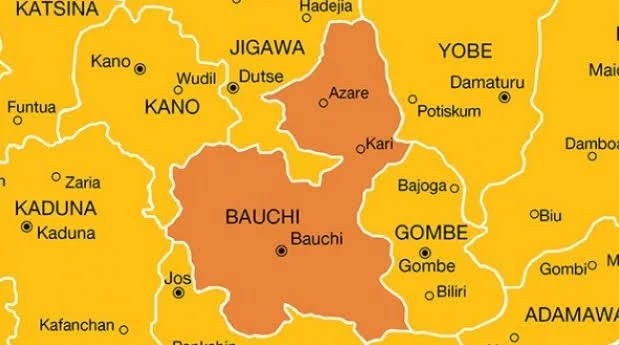
As of week 40, 24 states have reported at least one confirmed Lassa fever case. This includes 119 local government areas (LGAs). Five states, which are Ondo, Bauchi, Taraba, Edo, and Benue, make up 88 percent of all confirmed cases in 2026.
Ondo has the highest number, with 36 percent of the cases. Bauchi follows with 23 percent. Taraba has 12 percent, Edo has 11 percent, and Benue has six percent. The remaining 12 percent of cases are spread across 19 other states.
People aged 21 to 30 years are the most affected group. But the report shows confirmed cases range from one to 93 years old. No new infections among healthcare workers were reported in week 40. However, a total of 54 healthcare workers have been affected by the disease in 2026.
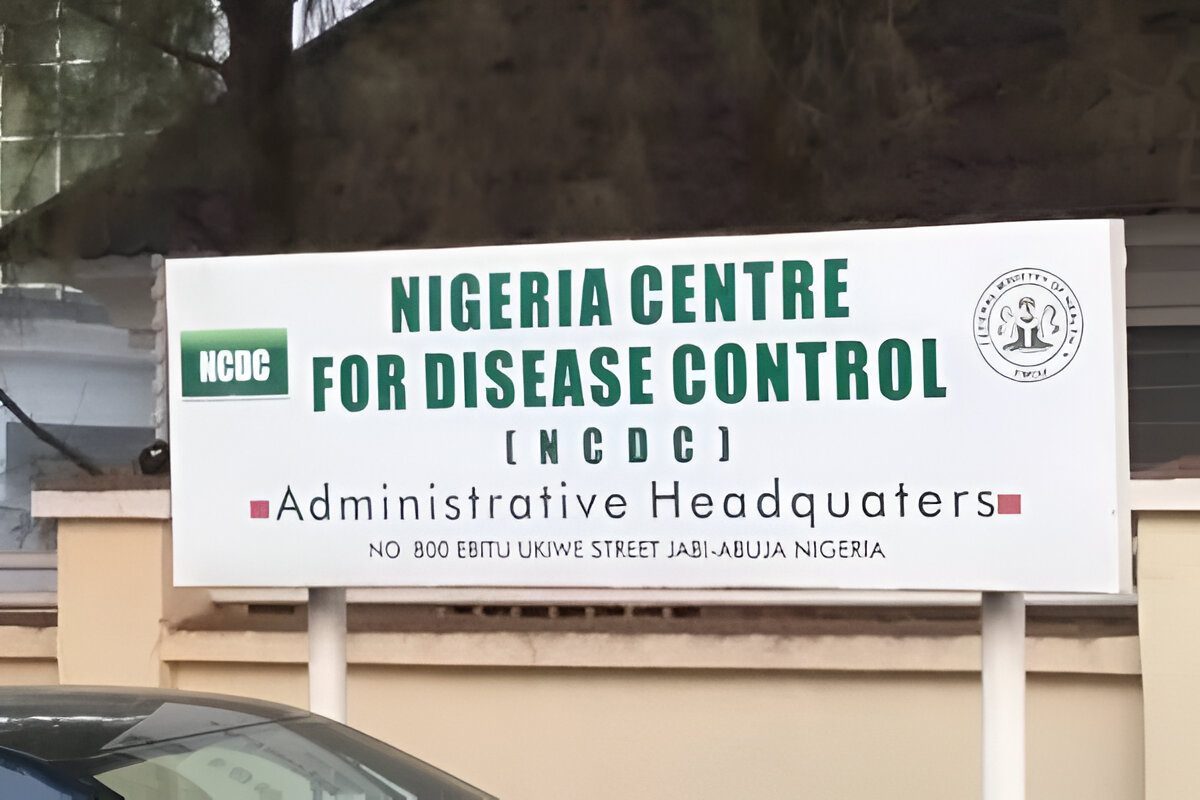
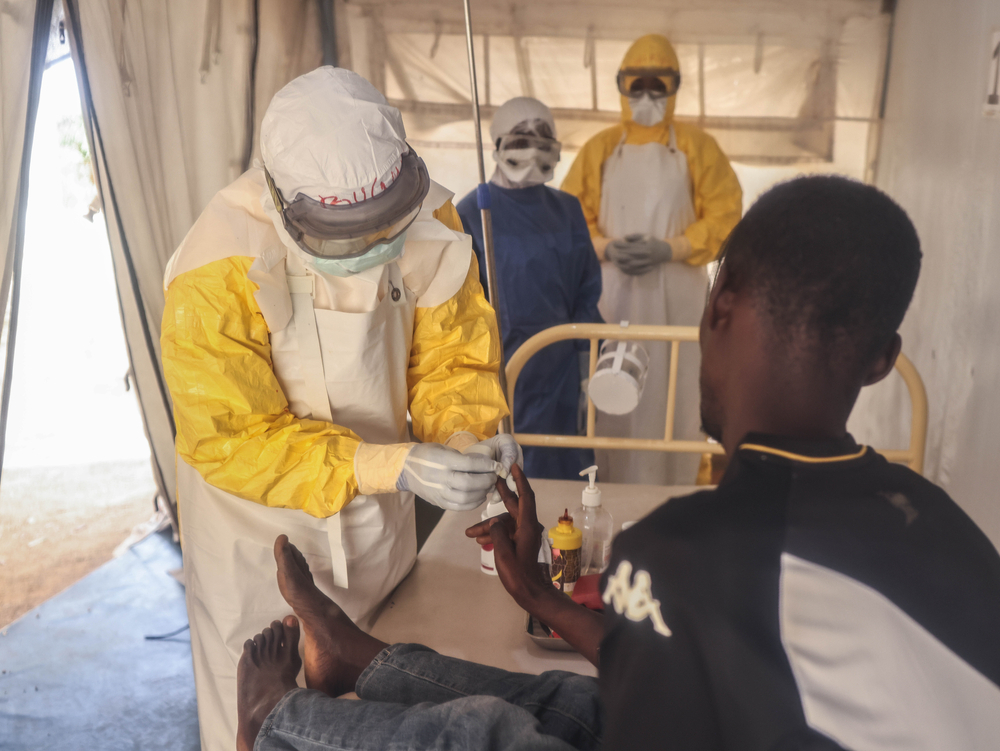
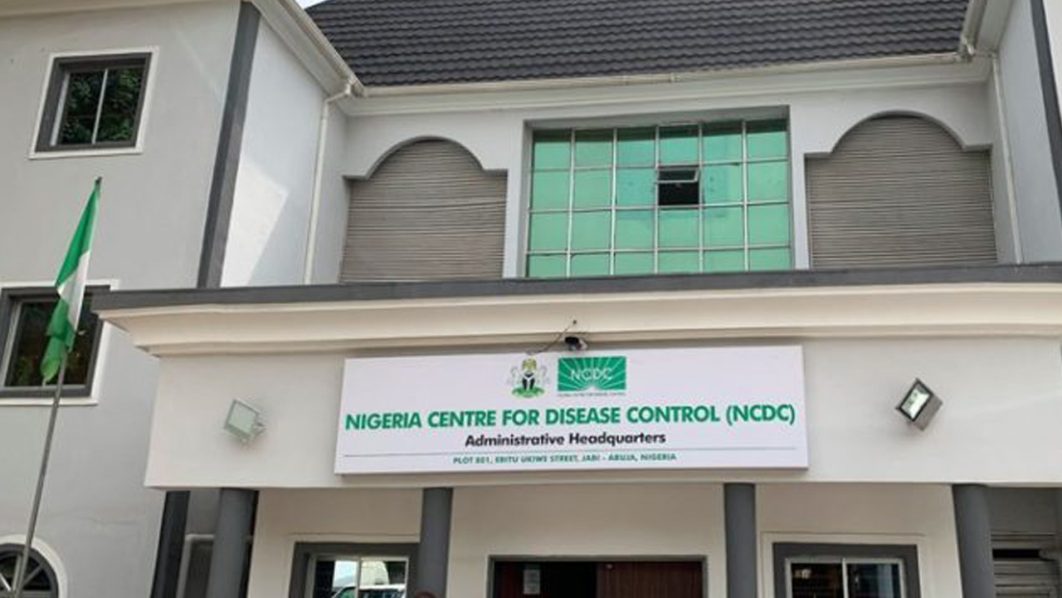
To tackle the outbreak, the NCDC has created a 30-day healthcare worker protection plan. This plan has support from the World Health Organisation (WHO) and the United States Centers for Disease Control and Prevention. It aims to reduce infections among health workers in high-risk areas.
The NCDC is also training healthcare workers in infection prevention and control. They are distributing personal protective equipment to health facilities and improving case management in affected states. Incident management systems have been set up in Benue, Plateau, Kebbi, Kano, and Gombe states. National rapid response teams have been sent to seven states with high burdens.
The agency has also engaged with communities. They worked with religious and traditional leaders in Edo and Ondo states. They raised awareness among farmers and market women in Ondo with help from the National Orientation Agency.
Despite these efforts, the NCDC noted some challenges. These include late presentation of cases, poor environmental sanitation, lack of awareness, and high treatment costs in affected communities. The agency is urging states to keep community engagement on Lassa fever prevention ongoing throughout the year.
The NCDC has also advised healthcare workers to stay alert for Lassa fever cases. They should ensure timely referral and treatment while following standard infection prevention and control measures.
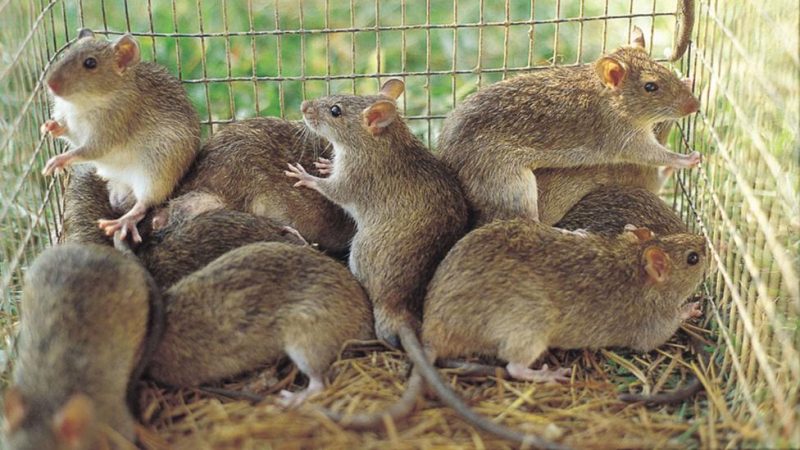
Lassa fever is a viral illness. It spreads to humans mainly through contact with food or items contaminated by infected rats' urine or faeces. There can also be human-to-human transmission, especially in healthcare settings where infection control is poor.
The NCDC suggests keeping food in containers that rodents cannot access, maintaining good sanitation, and avoiding contact with rodents. Anyone showing symptoms of Lassa fever, especially after possible exposure, should seek medical help quickly.


Drop your comment
No comments yet — be the first to drop the gist 👇