The National Assembly’s Constitution Review Committee has suggested adding 74 more seats for women in the Senate and House of Representatives. This is part of efforts to get more women involved in politics and governance.
The committee also wants three extra seats for women in each state House of Assembly. This will not take away any current electoral seats.
Senate Leader Opeyemi Bamidele announced this at the 2026 Law Week organized by the International Federation of Women Lawyers (FIDA), Ekiti State Chapter, on Monday.
Mr Bamidele, who is the vice chairman of the Senate Committee on Constitution Review, said these proposals aim to boost women’s participation in Nigeria’s politics and governance.
"A Bill for an Act to change the Constitution of the Federal Republic of Nigeria, 1999 to provide special seats for women in the National and State Houses of Assembly is currently under consideration at the National Assembly.
"The proposal aims to add 37 seats in the Senate and 37 seats in the House of Representatives. This means that if it gets approved, each state, including the FCT, will have one extra seat in each House of the National Assembly," he said.
Mr Bamidele, who represents Ekiti Central Senatorial District, mentioned that this plan would last for 16 years, covering four electoral cycles, before a full review.
"The Constitution Review Committee has also suggested three additional seats for each State House of Assembly, all specifically for women, without taking away any current electoral seats.
"This plan is meant to run for 16 years, four electoral cycles, before a full review. This is a sunset clause to ensure sustainability and allow for the natural growth of a more inclusive political culture," he added.
The Senate leader said federal lawmakers have started talking to their colleagues at the state level. They want to make sure state assemblies approve the proposals once they pass the National Assembly.
"We are working closely with the State Houses of Assembly. Their agreement is a must for making this reform a reality. But let me stress a key point that relates to our democratic journey and the Renewed Hope Agenda."
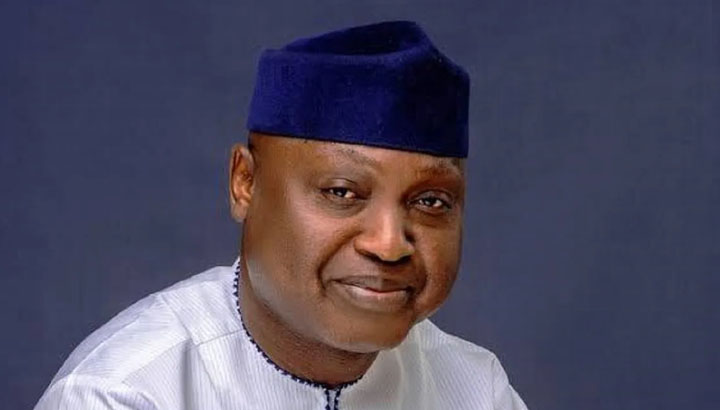
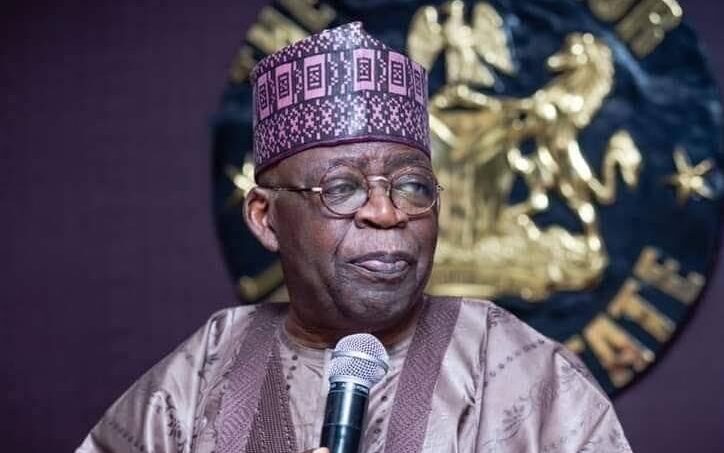
Mr Bamidele stated that the proposal for special seats for women is not a political party issue. He believes creating extra seats for women is crucial for strengthening Nigeria’s democracy.
"The special seat initiative is not a political party project. It is a historic necessity. The reason is based on a simple, yet important, principle of constitutional law: the basic idea of representative democracy. A democracy that leaves out over half of its population from the decision-making process is a flawed democracy and, at worst, a hidden oligarchy.
"We recognize that the state must step in to offer support where the market and tradition fail. This understanding is shown in legislative support for healthcare, education, and social protection programs that focus on the most vulnerable groups: our women, our children, and persons with disabilities."
Mr Bamidele also mentioned that the proposed special seats would enhance protections for women and help reduce domestic violence.
"A woman facing domestic violence should be able to seek help without fear or shame. A child who suffers abuse must be heard, protected from further harm, and given the right support.
"Victims need access to legal help, medical care, and psychosocial services, while those who commit these acts must be held accountable according to the law."
The push for special seats for women comes as worries grow about the lack of women in Nigeria’s political positions. Women have historically held only a small number of seats in the National Assembly, even though they make up nearly half of the country’s population.
Supporters of reserved seats believe this will help solve structural problems that keep women from participating in politics. These problems include the high cost of elections, party nomination practices, discrimination, and gender-based violence. They argue that having more women in the legislature would make it more inclusive and better address issues affecting women and children.
But critics of affirmative action wonder if reserved seats might weaken equal representation or create lawmakers with a different electoral mandate. Others think reforms should also tackle issues within political parties and the electoral system.
If approved, the proposal would expand the legislature and could enhance women’s role in lawmaking and oversight. Its success will depend on how the electoral process works, the selection method for the reserved seats, and whether other political reforms happen. The proposed 16-year period would also make this plan temporary, with a review expected after four electoral cycles.



Drop your comment
No comments yet — be the first to drop the gist 👇