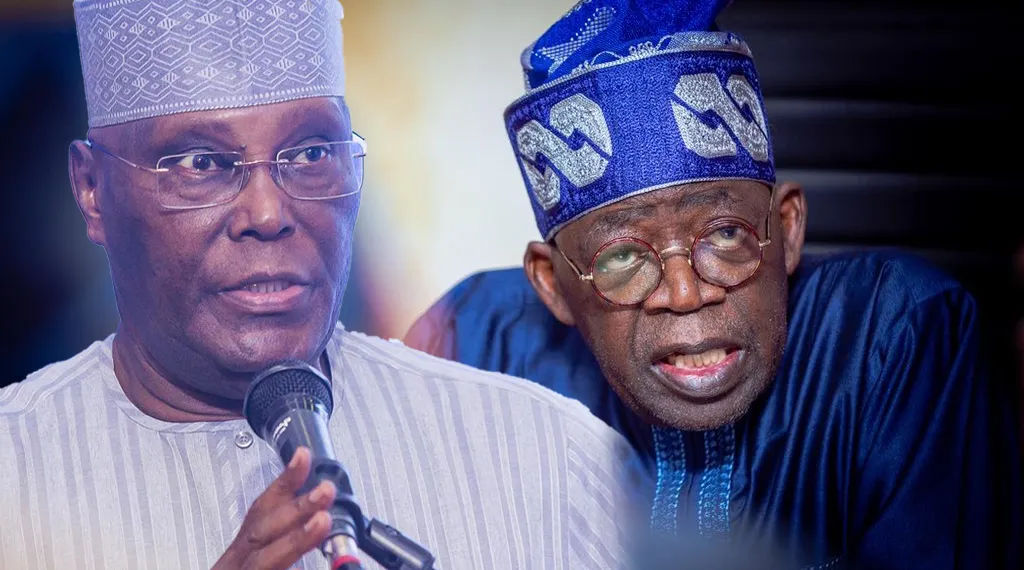
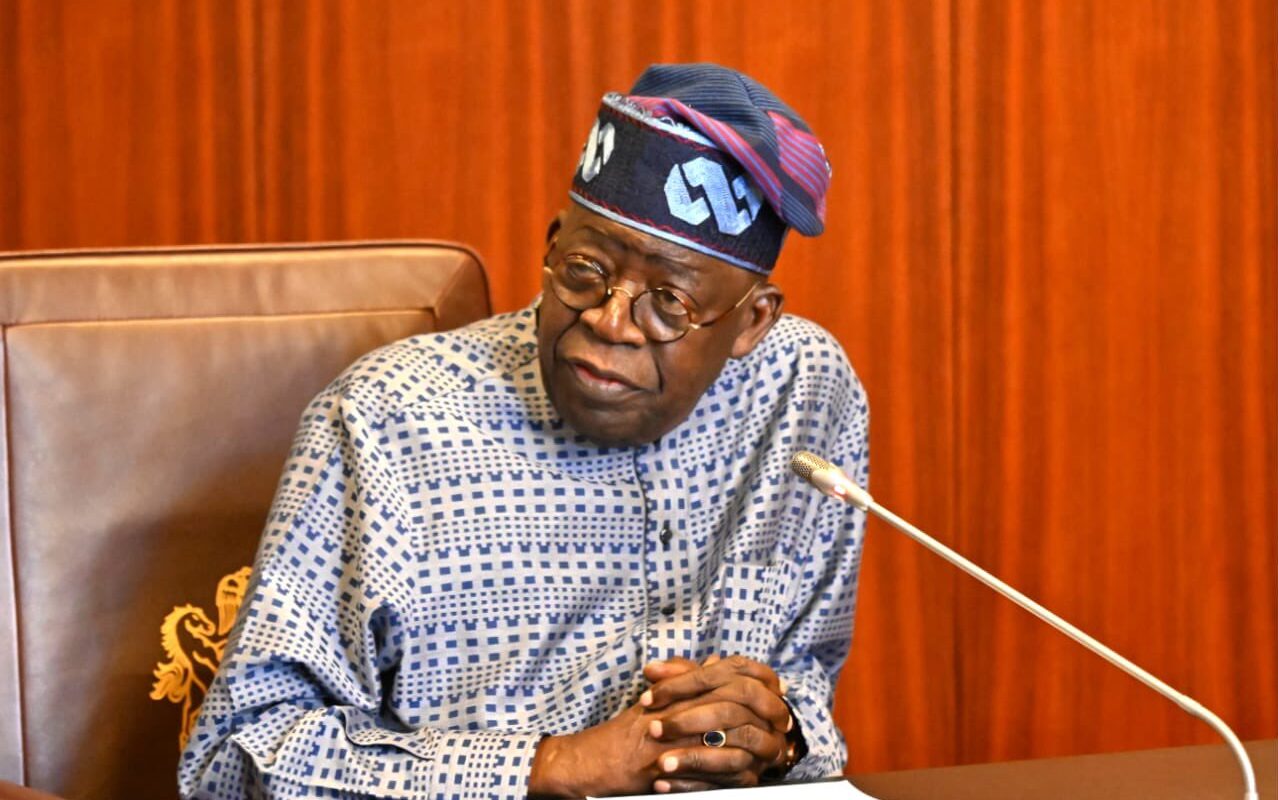
Lawyers from both sides in a suit questioning President Bola Tinubu’s ability to run for the 2027 presidential election disagreed on Tuesday about how to properly serve court documents to Mr Tinubu.
The suit was filed by former Vice President Atiku Abubakar at the Federal High Court in Abuja.
Judge Inyang Ekwo postponed the matter until 28 September for further discussion.
The Punch reported that earlier on Tuesday, Atiku’s lawyer, Joseph Onu, asked the court to allow him to serve Mr Tinubu through alternative means to move the case forward.
Mr Onu stated that he could not personally serve the documents to Mr Tinubu as the law typically requires.
On the other hand, Omosanya Popoola, a Senior Advocate of Nigeria (SAN) representing Mr Tinubu, said he could accept the summons on Mr Tinubu’s behalf. He requested the court to instruct Mr Onu to give the documents to him in court for delivery to the president.
But Mr Onu rejected this offer. He insisted that Mr Popoola should first provide a written confirmation that he had Mr Tinubu’s permission to accept the court documents for him.
This disagreement led Judge Ekwo to adjourn the case until September so the plaintiffs could properly serve the president.
Details of the suit
Mr Atiku, the presidential candidate of the African Democratic Congress (ADC), and his party filed the suit in August against Mr Tinubu, the All Progressives Congress (APC), and the Independent National Electoral Commission (INEC).
The suit asks the court to declare Mr Tinubu unqualified to run in the 2027 presidential election. It cites issues with the name on the National Youth Service Corps (NYSC) discharge certificate linked to Mr Tinubu.
Atiku and the ADC claim that the certificate shows the name “Tinubu Bola Adekunle,” while the president is known as Bola Ahmed Tinubu.
In an affidavit supporting the suit, Atiku alleged that Mr Tinubu submitted the controversial NYSC discharge certificate to INEC to support his candidacy for the upcoming election.
They want the court to decide if this name issue impacts Mr Tinubu’s eligibility to run for the 2027 presidential election.
The plaintiffs also argue that Mr Tinubu did not obtain the certificate.
They asked the court to confirm the authenticity and legal meaning of the disputed document.
Atiku and the ADC referred to Sections 137(1)(j), 139(1)(a)(i), and 285(14)(c) of the 1999 Constitution, as amended, along with parts of the Electoral Act, 2026.
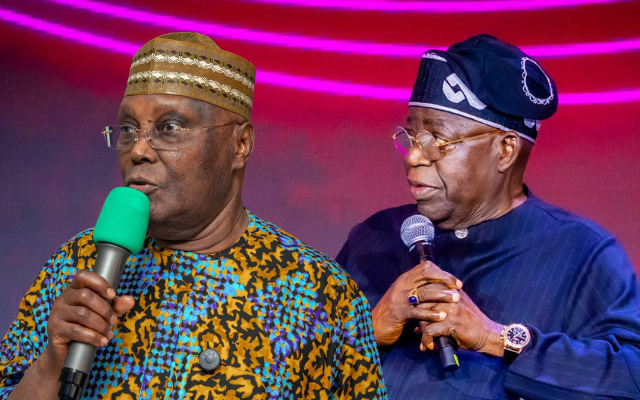
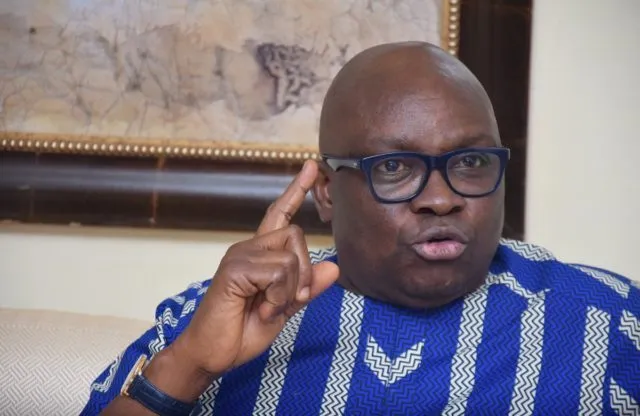
Section 137(1)(j) states that anyone who presents a fake certificate to INEC is not qualified to run for president.
The plaintiffs want the court to determine if the alleged submission of the disputed certificate fits into that constitutional rule.
They also question parts of the Electoral Act, 2026, which they say limit when a candidate’s qualifications can be challenged before an election.
They argue that a law made by the National Assembly cannot override a clear part of the Constitution.
The plaintiffs maintain that when a law conflicts with the Constitution, the Constitution must win.
Atiku and the ADC also seek a court order disqualifying Mr Tinubu and the APC from the 2027 presidential election if the claims against them are proven.
Mr Atiku also wants the court to order INEC to produce Mr Tinubu’s Form CF001 used for the 2023 and 2027 presidential elections.
The former vice president said he requested certified true copies of these documents from INEC but did not receive them before filing the case.
On Friday, 14 August, Mr Abubakar personally visited the Federal High Court registry in Abuja to file an affidavit supporting the case.
He emphasized that the case is too important to be treated carelessly and involves constitutional requirements for being president.
New developments in eligibility fight against Tinubu
This case adds a new twist to the ongoing battle over Tinubu’s eligibility that started during the 2023 election.
During the 2023 campaigns and legal challenges after the election, Atiku tried to have Mr Tinubu disqualified after finding that a US court in the 1990s linked some of Mr Tinubu’s funds to drug-related activities. That court reportedly ordered the seizure of those funds, which Atiku believed was enough to disqualify Mr Tinubu from the election.
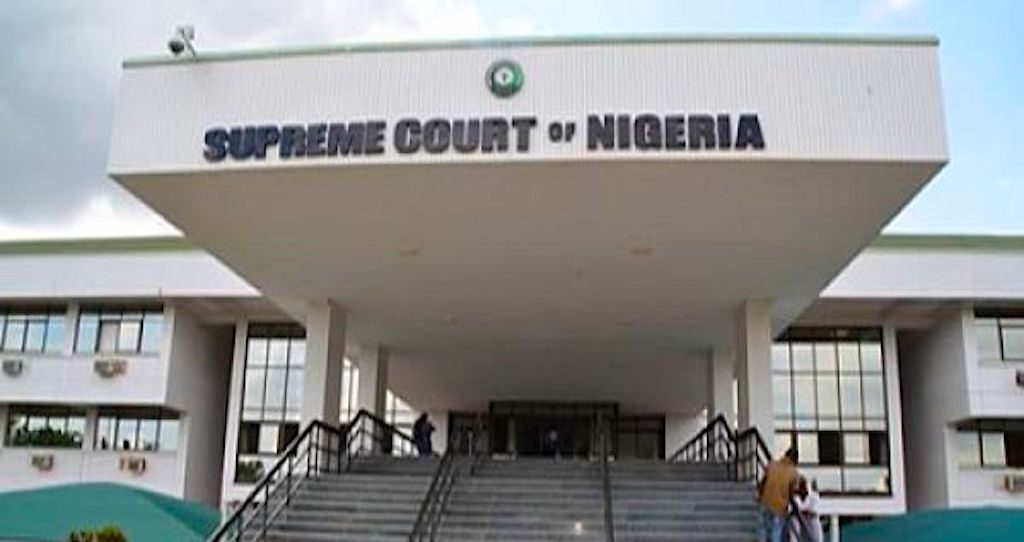
The Supreme Court, which eventually decided on the case, ruled that the allegations were not enough to stop Mr Tinubu from running in the election.
As the 2027 election approaches, Atiku and other opposition figures have revived the eligibility issue, building on the drug allegations. Legal actions have already begun in the US to access details of a 1990s criminal investigation involving Mr Tinubu.
This is happening amidst ongoing debates about the primary and secondary schools Mr Tinubu attended. The debates started after it was revealed that Mr Tinubu submitted only his university certificate to INEC without details of his primary and secondary education.
Drop your comment
No comments yet — be the first to drop the gist 👇