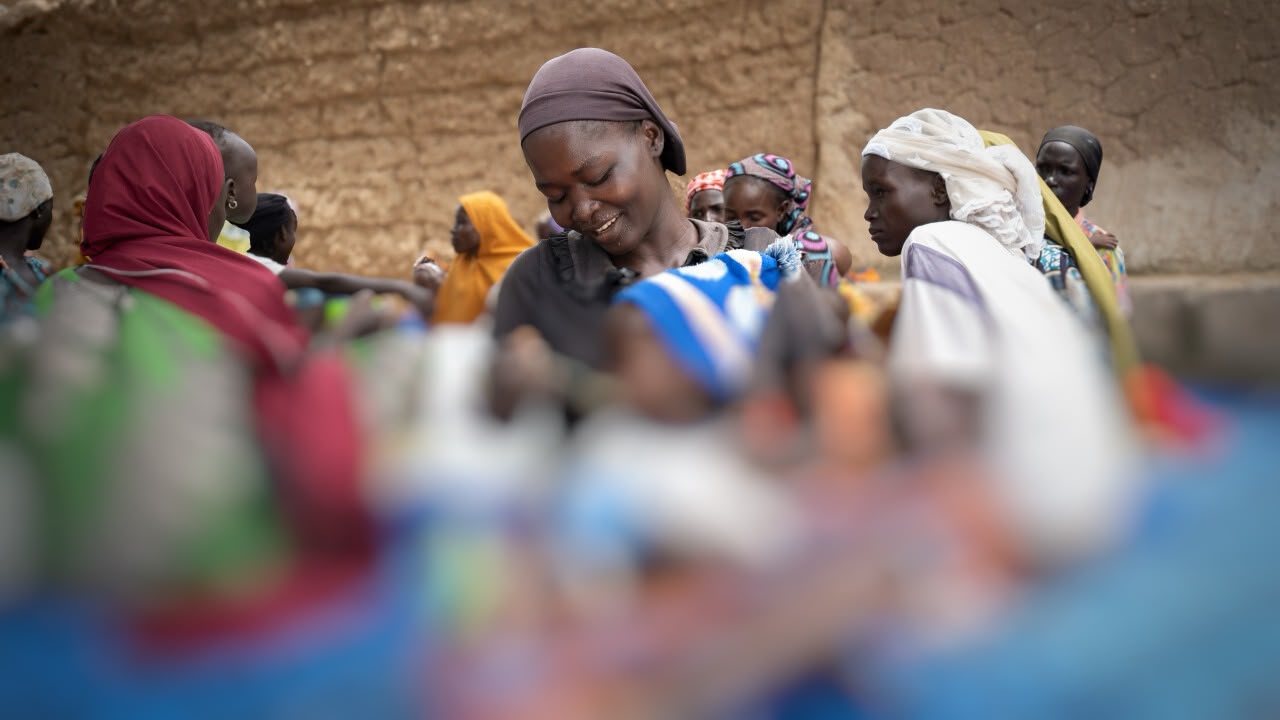
Malnutrition cases at ten health facilities backed by the International Committee of the Red Cross (ICRC) in north-eastern Nigeria rose by 18 percent in the first nine months of 2026.
The facilities recorded nearly 20,000 admissions from January to September. This is an increase from about 17,000 in the same period of 2025, according to the ICRC in a statement on Thursday.
These numbers include six health centres and four hospitals. Young children, pregnant women, and breastfeeding mothers are among those most affected.
Mubi in Adamawa State saw the highest rise. Admissions jumped from around 4,600 in the first nine months of 2025 to about 5,700 this year, marking an increase of nearly 24 percent.
The latest figures follow earlier warnings by the ICRC about rising needs for nutritional treatment in areas affected by conflict.
In October 2024, the organization reported a 24 percent increase in severe acute malnutrition cases between the third quarters of 2023 and 2024, rising from 6,824 to 8,470.
Admissions of children under five with severe acute malnutrition and medical issues also rose from 1,212 to 1,691 during this time.
These figures cover different reporting timelines and patient categories, so we cannot confirm a continuous three-year trend.
But they do show a steady rise in the need for nutritional support.
Mothers face difficulties
At the Mubi Stabilisation Centre, Zulaihatu Mohammed brought her six-month-old daughter, Huseina, one of her twins, for nutritional help.
“When I gave birth to them, this one was tiny,” she told the ICRC. “I came today for the routine collection of children’s food. She is not feeling well. Since I gave birth to her, she has been unwell.”
Armed violence, climate issues, and economic challenges have disrupted livelihoods and made food hard to get.
According to an ICRC video report, farmer Saminu Ijaduwa grows food on a small plot near his home because explosives make other fields unsafe.
“Due to the conflict, going one kilometre out of town to farm could be highly risky. You might not return!” he said in the ICRC report.

Restrictions on farming and disrupted markets make it tough for families to grow or buy enough food, especially for young children and pregnant and breastfeeding women.
Humanitarian aid
In a March 2026 report, the ICRC said over 36,000 people received treatment for severe acute malnutrition at its supported facilities in Borno, Adamawa, and Yobe states in 2025.
This included more than 16,000 children under five and over 19,000 pregnant and breastfeeding women.
The organization also gave cash assistance to more than 17,000 vulnerable families during the 2025 lean season.
These annual treatment numbers are not directly comparable to the new nine-month admission figures.
The ICRC is working with the Nigerian Red Cross Society to support 15 primary healthcare centres and four hospitals. They aim to help over 200 communities with malnutrition treatment and food security programs.
Support includes providing farmers with seeds suitable for drought and flooding, promoting crop variety, and teaching mothers how to make healthy meals from local ingredients.
One mixture of sorghum, millet, soybeans, groundnuts, and moringa, called Tom Brown, has helped over 13,000 young children recover from moderate acute malnutrition, according to the ICRC. Mothers also learn how to prepare it at home.
Broader food insecurity
The rise in admissions comes as the Food and Agriculture Organisation (FAO) and the World Food Programme (WFP) list Nigeria as one of the world’s hunger hotspots in their June to November 2026 outlook.
The ICRC cited United Nations analysis saying that over 34 million people in Nigeria are expected to face food shortages in 2026, the highest number in six years.
In the North-east, ongoing conflict continues to limit access to farmland and hurt household livelihoods, according to the ICRC.

Drop your comment
No comments yet — be the first to drop the gist 👇