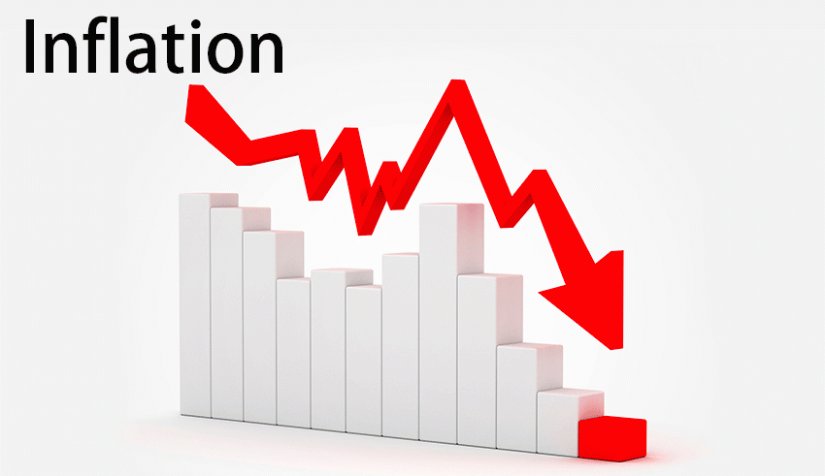
Nigeria's inflation rate fell to 14.63 percent in September. This is down from 15.39 percent in August. The National Bureau of Statistics shared this information on Thursday. The pace of price increases is slowing down in the country.
This marks a continued drop in annual consumer inflation seen in recent months. In August, inflation fell slightly from 15.43 percent in July to 15.39 percent.
Food inflation was at 19.59 percent year-on-year in September. This is just a bit higher than the 19.57 percent recorded in August. However, it is lower than the 20.16 percent reported in September 2025.
Food is a big part of what households spend, especially for those with lower incomes.
Core inflation, which does not include items like food and energy prices, was 12.95 percent year-on-year in September. This is down from 13.29 percent in August and 22.11 percent in September 2025. The annual figure shows a slowdown in price increases outside of food and energy.
The difference between annual and monthly figures suggests some price pressures continued in September. Even though inflation is slowing, Nigeria still faces a cost-of-living crisis. This is mainly due to high food prices and energy costs that have made life harder for many families.
The drop in living standards comes from tough economic changes by the current government. These include removing fuel subsidies, devaluing the naira, and a strict monetary policy.
The statistics show different inflation rates in urban and rural areas. Urban inflation was 15.64 percent year-on-year in September. This is down from 20.63 percent in the same month of 2025. Rural inflation was lower at 12.46 percent year-on-year, compared to 21.06 percent in September 2025.
The data for September shows another drop in Nigeria's inflation rate. Annual headline inflation has fallen again this month. A drop in annual inflation means prices are rising more slowly than they did a year ago. A negative monthly rate, like the September food inflation figure, means average prices decreased compared to the last month.
With annual food inflation at 19.59 percent, the September numbers show that food price increases are slowing down over the past year. Still, the average cost of food is higher than it was a year ago.




Drop your comment
No comments yet — be the first to drop the gist 👇