People between 21 and 30 years old are the most affected by Lassa fever in Nigeria. The country has recorded 1,035 confirmed cases and 252 deaths in 2026.
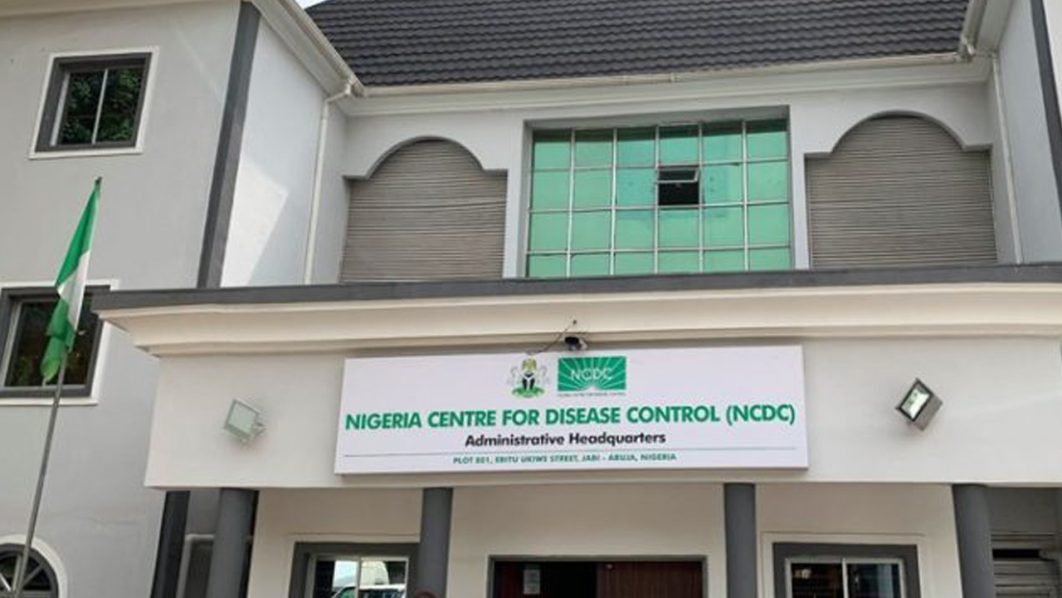
This information came from the latest situation report for epidemiological week 33, shared by the Nigeria Centre for Disease Control and Prevention (NCDC) on Tuesday.
The NCDC’s report, covering the period from August 10 to 16, shows that confirmed cases were found in 23 states and 117 local government areas (LGAs).
The report indicates that cases were reported among people aged from one year to 93 years, with a median age of 30 years. Those aged 21 to 30 made up the largest group of confirmed cases among both men and women.
The ratio of men to women among confirmed cases was almost equal, sitting at 1:0.9.
Cases rise in one week
The latest report shows a sharp rise in new confirmed cases, jumping from four in week 32 (August 3 to 9) to 14.
In week 33, these 14 new confirmed cases were found in Ondo, Edo, Bauchi, and Benue states. There were also two deaths recorded that week, compared to one death in week 32.
The report for week 32 noted 140 suspected cases and four confirmed cases, with one death.
For 2026 as a whole, Nigeria has recorded 7,426 suspected cases, 1,035 confirmed cases, and 252 deaths. The case fatality rate (CFR) also rose from 23.5 percent in week 32 to 24.4 percent in week 33.
Five states account for most cases
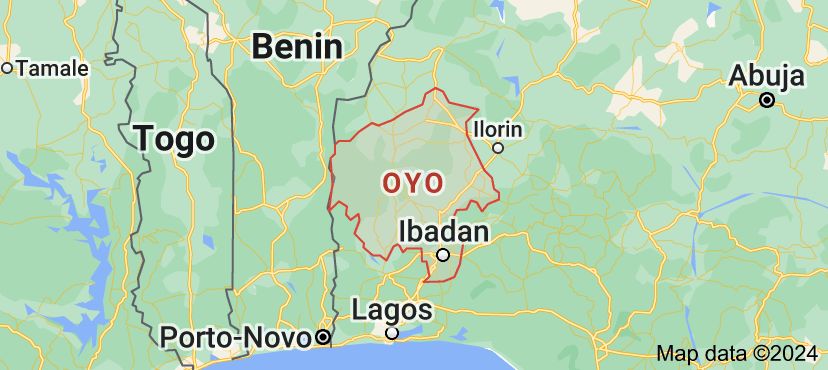
Five states are responsible for 87 percent of all confirmed cases as of week 33. These states are Ondo, Bauchi, Taraba, Edo, and Benue, while the other 18 affected states only accounted for 13 percent.
Ondo had the highest number, making up 33 percent of confirmed cases. Bauchi followed with 25 percent, Taraba had 13 percent, Edo had 10 percent, and Benue accounted for six percent.
The same five states also represented 86 percent of the cases in week 32. The number of affected LGAs remained the same at 117 between weeks 32 and 33.
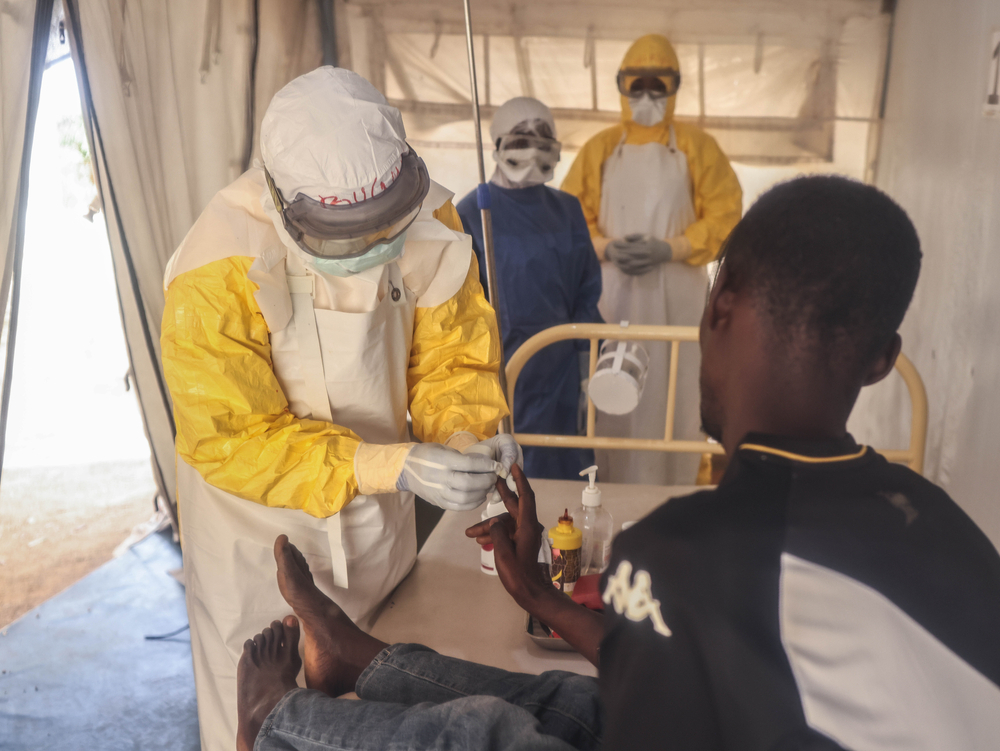
As of week 33, health workers are also facing challenges, with 54 infections reported. The report noted that 783 cases had been managed at treatment centres in 2026.
Late presentation remains a challenge
The NCDC pointed out that late presentation of cases contributes to the high case fatality rate.
It highlighted poor health-seeking behavior, the high cost of treatment, poor environmental sanitation in high-burden areas, lack of awareness, and infections among healthcare workers as major challenges.
The NCDC urged healthcare workers to keep a high level of suspicion for Lassa fever. They should ensure timely referral and treatment and follow standard infection prevention and control measures.
The NCDC will continue to work with partners to boost state capacity to prevent, detect, and respond to Lassa fever quickly.
Lassa fever
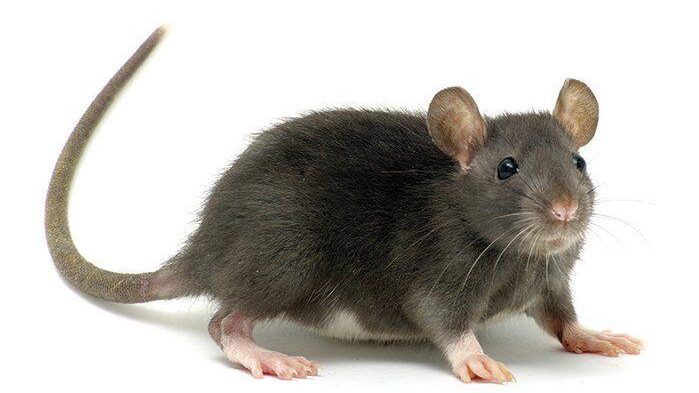
Lassa fever is a viral illness caused by the Lassa virus. It spreads mainly through contact with food or household items contaminated by the urine or feces of infected rats.
It can also be transmitted from person to person through contact with bodily fluids.
The disease often starts with symptoms like fever, weakness, and headache. It can develop into more severe symptoms such as bleeding, difficulty breathing, swelling, and organ failure.



Drop your comment
No comments yet — be the first to drop the gist 👇