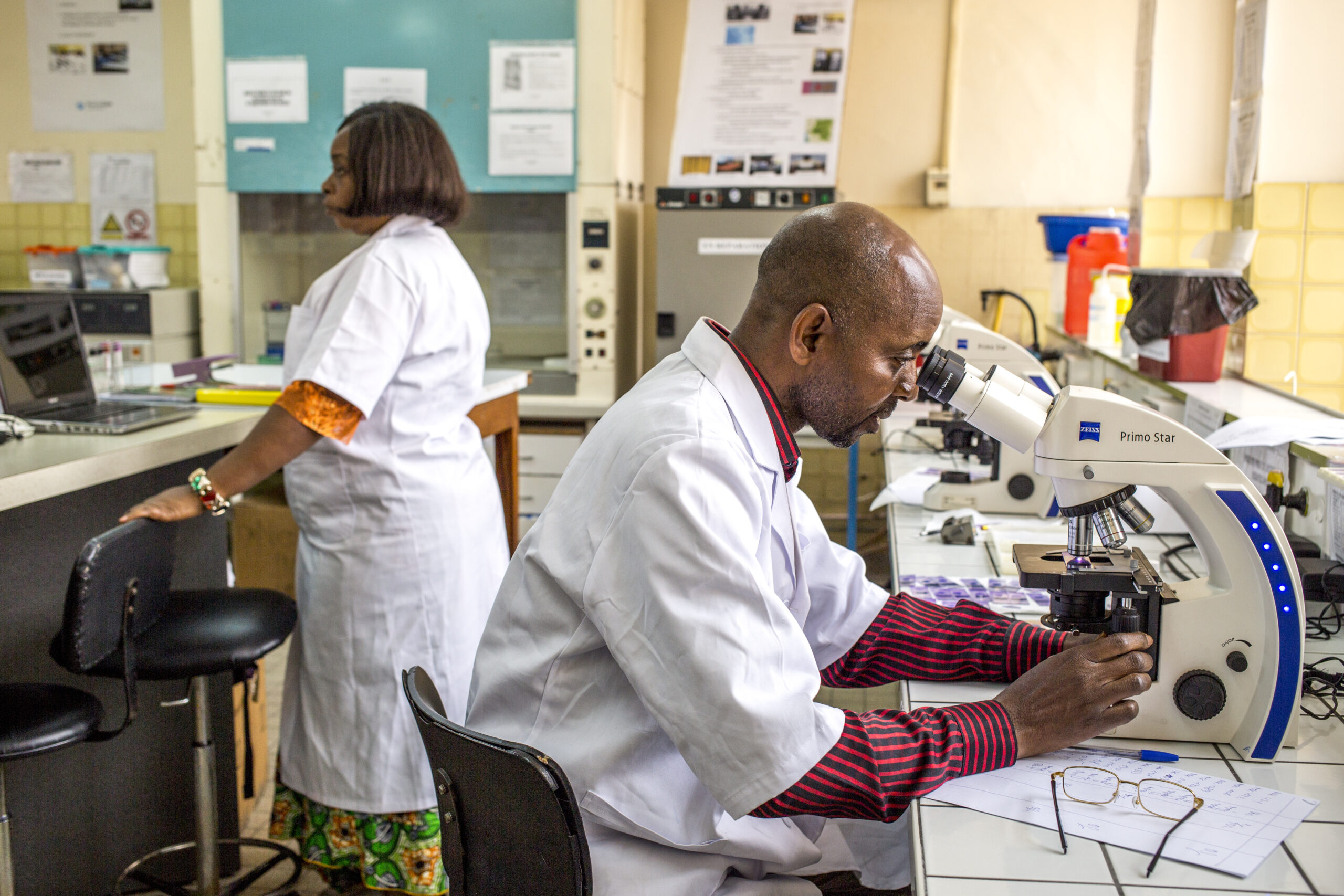
A new report shows that about half of the approved tests for six epidemic diseases in Africa are not available in most primary healthcare facilities. This is because these tests need lab setups that many health centres do not have.
The report reveals that 50 percent of approved tests for Mpox, dengue, cholera, bacterial meningitis, malaria, and Ebola need lab facilities that are out of reach for many frontline health centres.
For Ebola alone, 88 percent of the approved tests rely on lab infrastructure. The report also found that funding for diagnostic research and development has dropped since 2015, even as Africa faces more risks from infectious disease outbreaks.
These findings come just months after the 2026 Bundibugyo ebolavirus outbreak. At that time, health authorities struggled to identify the virus because the available tests were made for the Zaire strain of Ebola. This delay set back the confirmation of the outbreak by 10 days, showing how gaps in diagnostics can have serious consequences.
The report, titled Diagnostics Deficit: Funding, Access, and Preparedness Gaps in African Health Systems, was launched by global health organizations PATH and Impact Global Health. This happened ahead of the African Union Extraordinary Health Summit in Accra, Ghana.
Quick tests are very important for spotting outbreaks early, guiding treatment, and helping health authorities control the spread of diseases. But limited access to these tests, especially in primary healthcare centres where many patients first go, makes it hard to respond to health emergencies across Africa.
The report looked at six diseases chosen from Africa CDC's priority list because they can cause epidemics: mpox, dengue, cholera, bacterial meningitis, malaria, and Ebola. Measles was left out because there was no comparable funding data available.
Researchers found 577 approved diagnostic products for these six diseases, with another 59 still being developed. But most of the innovation is focused on just two diseases. Dengue and mpox make up 84 percent of all approved and upcoming tests, while cholera and bacterial meningitis, which Africa CDC has marked as major threats, only have seven approved tests each.
Even with more diagnostic products, access remains a big issue. Of the 577 approved tests, 288 need clinical lab setups, which limits their use in primary healthcare facilities. While 83 percent of malaria tests can be used at the primary healthcare level, most approved tests for Ebola and mpox need lab facilities, making them hard to use in frontline health centres.
The review also showed that investment in diagnostic research and development keeps going down. The G-FINDER data analysis shows that annual funding for the six diseases has dropped by nearly $4 million since 2015, going from almost $55 million to less than $26 million in 2024.
The report warns that funding tends to rise during major outbreaks but falls sharply after the crisis. This cycle leaves African countries poorly prepared for future outbreaks. Sabastine Wakdok, Director of Research at Impact Global Health, commented on the findings. He said that the steady decline in funding shows that the diagnostic research system is not keeping up with Africa's growing outbreak risks.



Mr Wakdok noted that investment in research and development for diagnostics has continued to fall, despite the rising number of diseases across the continent. He pointed out that funding usually increases during outbreaks but drops sharply afterward, leaving African countries underprepared for future epidemics.
"Diagnostic R&D investment for six Africa CDC priority diseases has fallen nearly $4 million annually since 2015. More troubling, this decline persists despite rising disease incidence and outbreak risk," he said.
He added that Africa is not getting the steady investment needed for epidemic diseases, warning that the cycle of funding during outbreaks leaves the continent always underprepared.
Bernard Aryeetey, PATH’s Senior Director for the Centre for Advocacy and Policy, also commented. He said the problem goes beyond just creating new diagnostic technologies. It is also about making sure these tools reach those who need them the most.
Mr Aryeetey stressed that just having diagnostic tools is not enough if they cannot be accessed during outbreaks or integrated into local health systems. "It is not solely whether diagnostics exist, but also whether they can reach clinics and surveillance systems when they are most needed, especially during outbreaks," he said.
He warned that if barriers like access, affordability, deployment, and manufacturing readiness are not addressed, people will continue to die needlessly even when effective tools are available.
To fix these issues, the report called for ongoing investment in diagnostic research from both local and international sources. It argued that funding driven by emergencies alone cannot build strong health systems.
The report urged African governments to increase national funding for diagnostics and called on global health donors to provide reliable, long-term support. It also recommended that Africa CDC make diagnostics a key part of the continent's health security strategy. Researchers and manufacturers were encouraged to focus on developing diagnostic tools that can be used in primary healthcare facilities instead of relying only on those that need advanced lab setups.
To improve access, the report urged the African Medicines Agency to streamline regulatory approval processes. This way, diagnostic tests approved in one African country can be recognized in others more easily. It also highlighted Africa's growing manufacturing capacity, noting that facilities across the continent can produce over 500 million diagnostic units each year.
But weak demand, fragmented regulations, financing issues, and limited support prevent manufacturers from reaching their full potential. The report concluded that while Africa has made progress in expanding its diagnostic pipeline, improving access, affordability, manufacturing capacity, and deployment is crucial for better preparedness against future disease outbreaks.



Drop your comment
No comments yet — be the first to drop the gist 👇