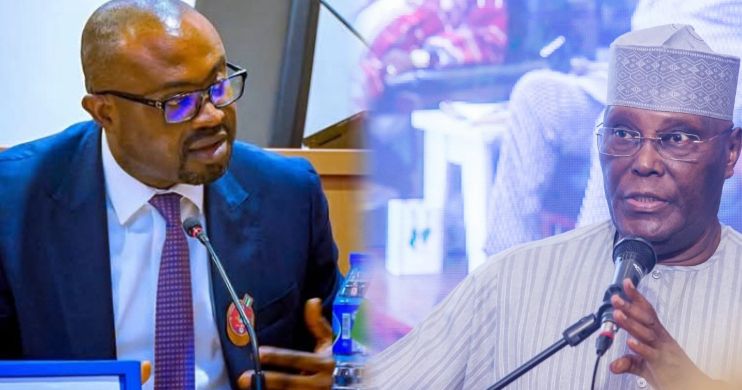
Minister of Interior Olubunmi Tunji-Ojo has rejected former Vice President Atiku Abubakar's idea to reopen Nigeria's land borders if he becomes president in 2027. He stated that Nigeria's borders are already open.
In a Facebook post on Saturday, Tunji-Ojo said it is wrong to say that Nigeria's land borders are closed. He pointed out that many major crossings have been reopened by both past and present governments.
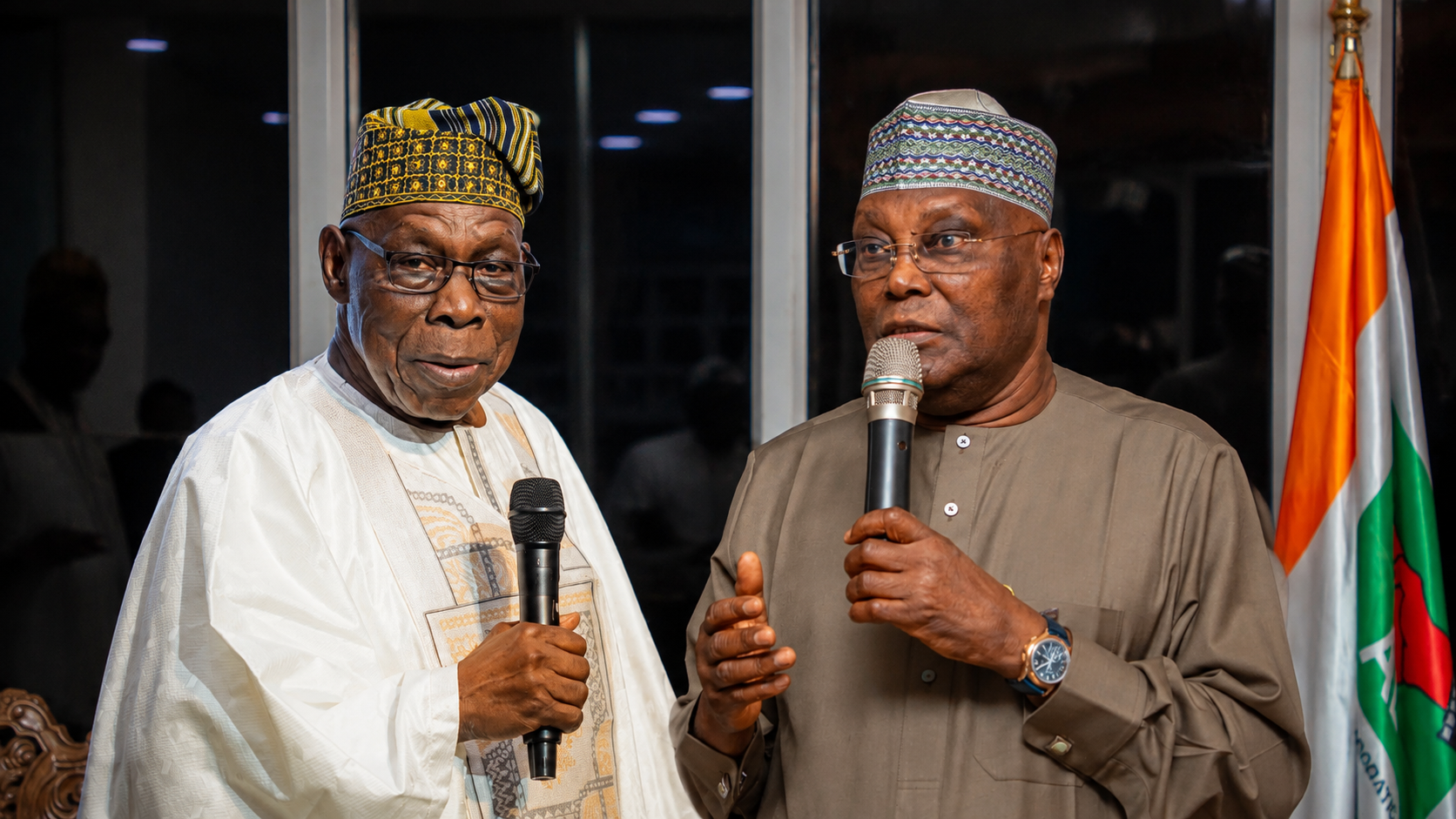
PREMIUM TIMES had reported that Atiku, who is running for president under the African Democratic Congress (ADC), suggested reopening Nigeria’s land borders, which he claims are still shut. He also mentioned plans to make it easier to import goods if he wins in 2027.
Atiku, who has tried to be Nigeria's president six times since 1993, explained that closing the land borders has caused many businesses to fail and has worsened insecurity in the country. He argued that trading across borders is a valid business and questioned why the government decided to close the borders.
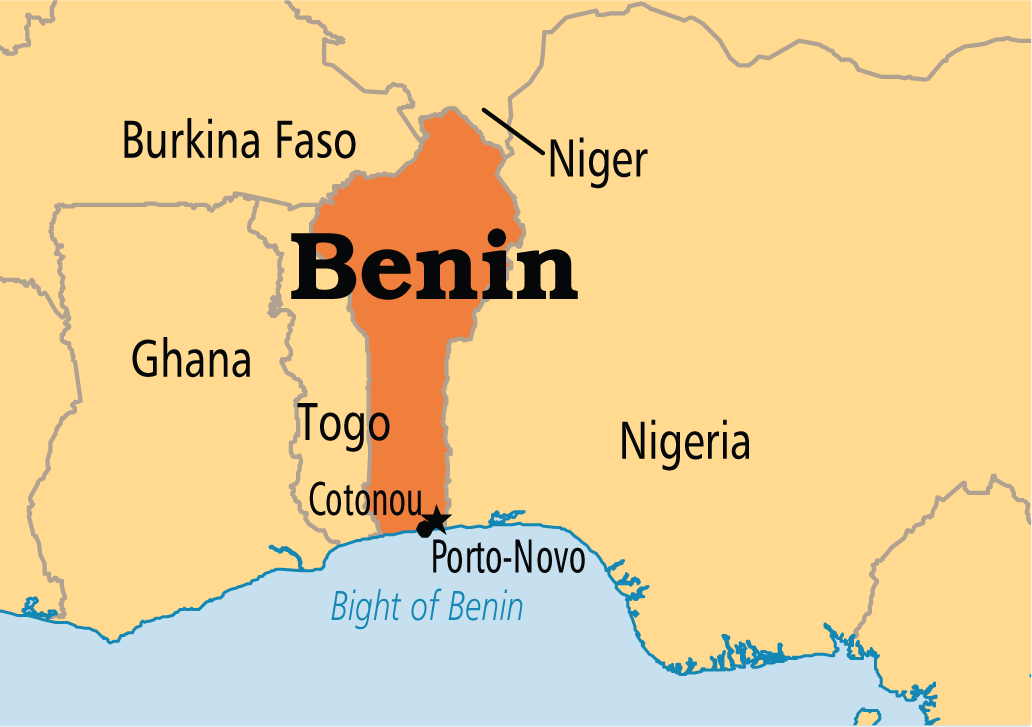
He named Cameroon, Chad, Niger, and Benin Republic as countries affected by the closures and promised to reopen these borders if elected.
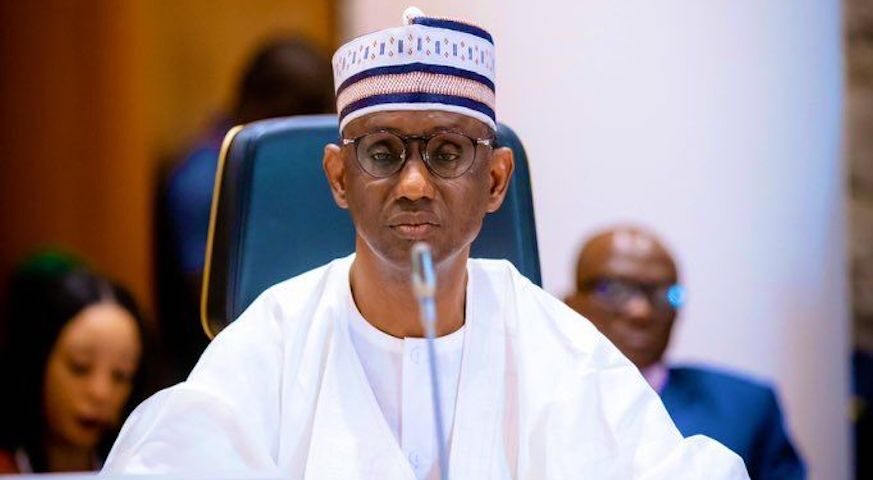
In response to Atiku's proposal, Minister Tunji-Ojo emphasized that Nigeria's borders are not closed and cannot be reopened. He said, "As the Minister of Interior who supervises the Nigeria Immigration Service, it is necessary to state that Nigerian borders are not closed and so cannot be reopened."
Tunji-Ojo pointed out that the Nigerian government reopened Seme, Illela, Maigatari, and Mfum on December 16, 2020, and that more crossings have been reopened since then. He added that Idiroko and Ikom were opened for goods and services on April 20, 2022, while Kamba and Tsamiya in Kebbi State were reopened in February 2026 under the current administration. These reopenings connect Nigeria to Niger and Benin Republic.
The minister also disagreed with the idea that the closures with Cameroon were linked to a 2019 trade policy. He explained that the Banki and Amchidé crossings were closed due to security issues from Boko Haram activity, dating back to 2014.
He noted that these crossings were reopened in 2019, while Fotokol and Gambaru reopened in 2021 after joint military efforts by Nigeria, Cameroon, Niger, and Chad. Tunji-Ojo admitted that some northern crossings still have strict controls due to security concerns. He said these measures are for safety, not an indication that the borders are closed.
He warned Atiku not to misinterpret the border policies. He explained that trade regulation and security measures are not the same thing. "Folding this separate, security-driven history into one continuous 2019 shutdown misrepresents two distinct issues, trade regulation and counter-insurgency, as a single failure."
He added that where banditry or insurgent activity continues, tighter controls are a security decision, not neglect. He cautioned that reopening borders without addressing security risks would put traders and border towns in danger.
Tunji-Ojo stated that modern border management cannot be simply about closing borders or allowing free movement. He said, "Modern border management is not a choice between total closure and unrestricted movement; it requires security, documentation, customs compliance, and controlled trade facilitation together."
He challenged Atiku to clarify how his border policy would be different from the current one. He said political competition should not lead to rewriting history. "If he has a new border proposal, he should set it out and explain how it differs from the current approach, rather than treating separate trade, security, and infrastructure issues as the same."
Nigeria's major land-border closure was ordered by former President Muhammadu Buhari in August 2019 and was described as a partial closure. The government said it aimed to stop smuggling, especially of rice and other farm products, and to address concerns about arms and drugs.
Since then, Nigeria has reopened many land borders, including Seme, Illela, Maigatari, and Mfum in 2020, and Idiroko in Ogun State, Jibia in Katsina State, Kamba in Kebbi State, and Ikom in Cross River State in 2022.
But reopening these posts did not remove all import restrictions. The government kept bans on certain items and continued to use the Nigeria Customs Service and other agencies to fight smuggling as of 2022.
In August 2023, Nigeria closed its land and air borders with Niger due to sanctions after a military coup that removed President Mohamed Bazoum. At that time, President Tinubu was leading the Economic Community of West African States Authority of Heads of State and Government.
Later, in February 2024, after ECOWAS leaders decided to lift sanctions on Niger, Tinubu ordered the immediate reopening of Nigeria’s land and air borders with Niger. This also lifted other economic sanctions placed on Niger.
Drop your comment
No comments yet — be the first to drop the gist 👇