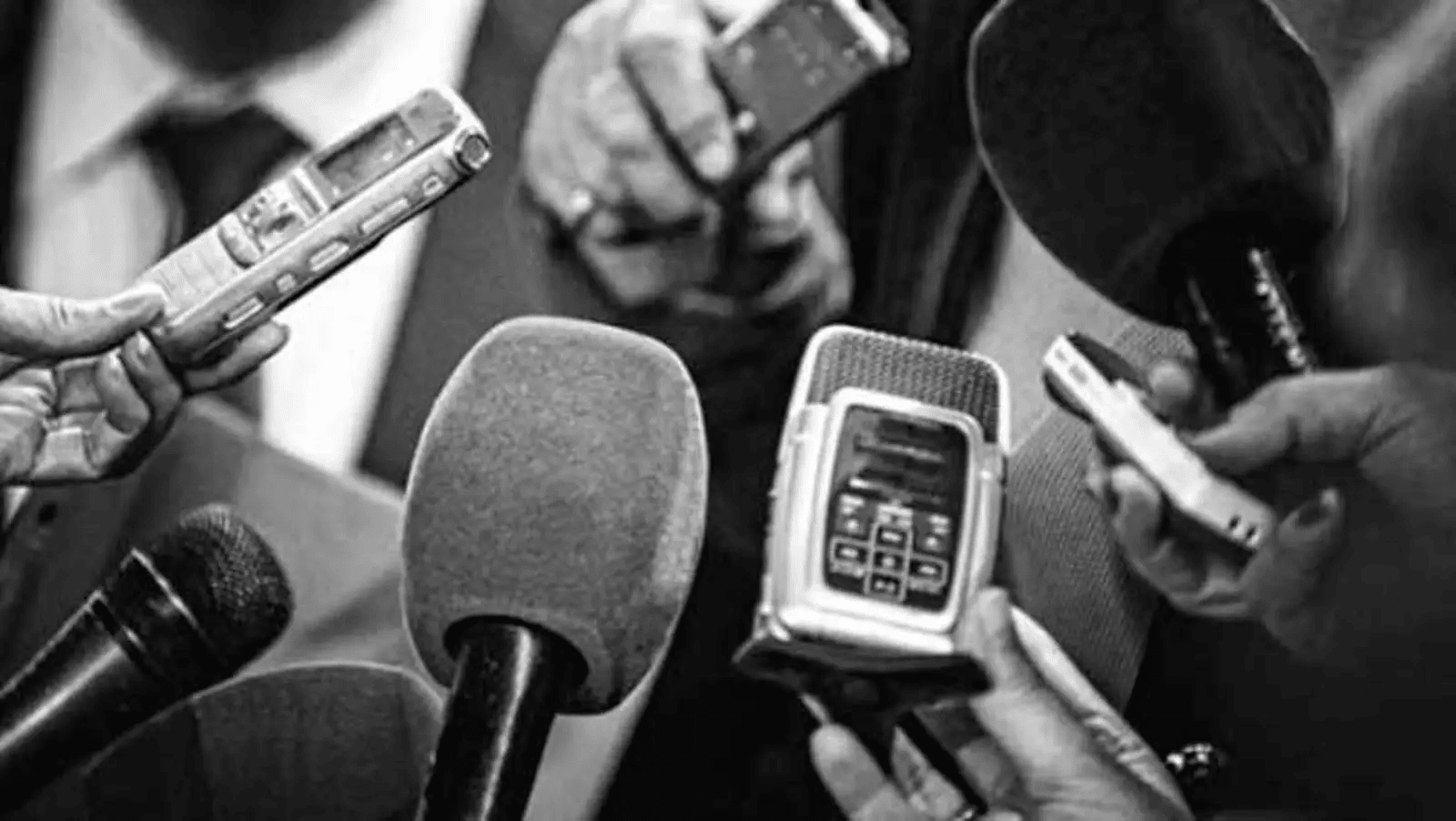
Global violence against journalists is rising. A new report from the United Nations Educational, Scientific and Cultural Organization (UNESCO) shows that for the first time in over ten years, the impunity for journalist killings has increased.
The UNESCO report reveals that six out of seven journalist murders are not solved. This setback goes against the progress made in fighting this issue.
The report also highlights that the use of drones is a growing danger for reporters in war zones.
The News Agency of Nigeria (NAN) reports that this information was shared on Monday, coinciding with the International Day to End Impunity for Crimes against Journalists, which is observed on November 2.
According to the report, the global impunity rate for journalist killings rose for the first time since UNESCO started tracking it in 2012. The rate increased from 85 percent in the last two years to 86 percent in 2024-2025.
This rise makes the second point in the UNESCO report even more concerning. It states that 189 journalists were killed in 2024 and 2025, which is 20 percent more than in the previous two years. Out of these, 127 journalists were killed in conflict zones.
UNESCO releases the Director-General’s Report on the Safety of Journalists and the Danger of Impunity every two years to mark the International Day to End Impunity for Crimes against Journalists.
“Journalists are increasingly paying with their lives for reporting from the frontlines of war and far too often those responsible for their killings are not held accountable,” said Director-General Khaled El-Enany.
The report found the most cases of journalist deaths in the Arab States with 97, followed by Latin America and the Caribbean with 37, Asia-Pacific with 34, Central and Eastern Europe with 14, Africa with 6, and Western Europe and North America with 1.
The State of Palestine had the highest number of journalist killings, with 30 in one year and 32 in the next.
UNESCO also raised alarm over a new threat: the increasing use of drones to attack journalists. In 2024-2025, drone strikes killed 50 journalists, making up 40 percent of all journalist deaths in conflict zones.


The report tracked seven incidents where multiple journalists were killed in one attack, including assaults on media offices and temporary reporting sites.
Fifteen journalists were killed while wearing press vests or in vehicles marked ‘Press.’
“I reiterate my call for the respect of UN Security Council Resolution 2222 unanimously adopted in 2015 on the protection of journalists, media professionals and associated personnel as civilians in situations of conflict, a status reaffirmed in the Pact for the Future,” Mr El-Enany said.
The report also showed some positive trends. Impunity in non-conflict countries has been decreasing, going from 94 percent in 2012 to 77 percent in 2026. This means there is an improvement of one percentage point each year.
The number of journalist killings in non-conflict areas, which stands at 85, is the lowest in 18 years.
“This shows that when governments put money into investigations, prosecutions, and protections for journalists, progress can happen,” UNESCO said.
However, the report points out that women journalists face special dangers, both in war zones and online. Out of 14 women killed between 2024 and 2035, 13 were in countries with armed conflict.
A 2025 study by UN Women and the International Center for Journalists found that 75 percent of women journalists have faced online or offline abuse and harassment.
More than 40 percent reported offline violence linked to online attacks, which is an increase from 20 percent in a 2020 UNESCO survey.



Drop your comment
No comments yet — be the first to drop the gist 👇