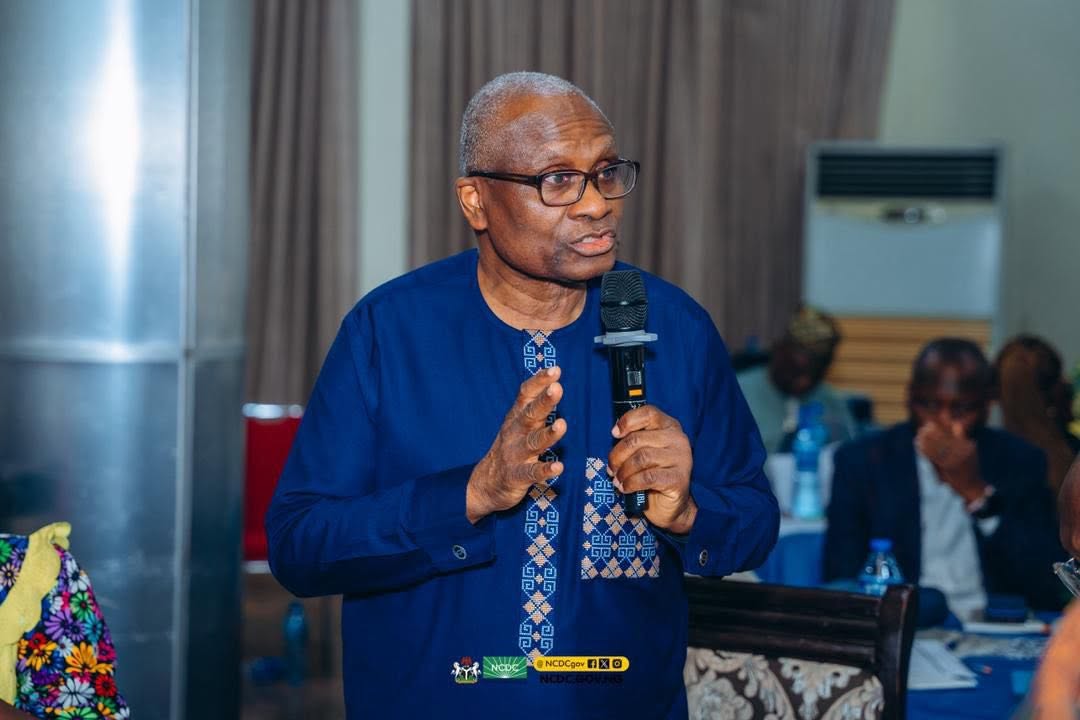
The Nigeria Centre for Disease Control and Prevention (NCDC) has said Nigeria needs about N104.4 billion every year to carry out its National Action Plan for Health Security. The agency warned that Nigeria does not have enough funding to prevent and respond to disease outbreaks.
This information came out in a statement on Monday from the Director-General of NCDC, Jide Idris.
Mr Idris explained that the estimated cost for the NAPHS 2.0 plan is around N522 billion over five years. He said, "This translates to an average of about N104.4 billion annually. Although not all NAPHS activities are funded through NCDC, this figure illustrates the scale of investment required to protect Nigerians against public health threats."
He mentioned that the funding will cover various activities meant to boost Nigeria’s ability to prevent, detect, and respond to public health threats. He pointed out that the plan was created after the first NAPHS ended, and that lack of funding was a major issue.
NAPHS 2.0, which runs from 2025 to 2029, takes a broad approach, bringing together government ministries, departments, agencies, development partners, civil society groups, and other stakeholders.
Mr Idris also said the N10 billion emergency fund that President Bola Tinubu approved should be seen as part of the overall funding needed for the health security system.
He noted that NCDC's yearly budget went up from N4 billion in 2024 to N7 billion in 2025. The agency also received a N5 billion intervention fund in 2025.
For 2026, the Appropriation Act set aside N22 billion for NCDC. Mr Idris added that President Tinubu approved another N10 billion emergency fund in June 2026, following an Ebola outbreak in the Democratic Republic of the Congo (DRC).
He explained that this extra funding was to improve Nigeria’s readiness for diseases that can cause epidemics, and is not just about the Ebola outbreak.
PREMIUM TIMES had earlier reported that Mr Idris said the N10 billion was meant to support activities for several diseases, including Lassa fever and cholera, along with other local infections.
In June, President Tinubu set up a Presidential Task Force on Ebola Virus Disease Preparedness and Emerging Public Health Threats. This task force is led by the Chief of Staff to the President, Femi Gbajabiamila, to coordinate the national response.
Mr Idris clarified in the statement that the N10 billion was given to the NCDC and not to the Presidential Task Force. He also mentioned that Nigeria's health security funding needs are more than the current budget for NCDC.
He cited estimates from the Global Preparedness Monitoring Board, which say countries need between $1 and $2 per person each year to be ready for epidemics. If we apply this to Nigeria's population of around 240 million, he said the country would need between $240 million and $480 million yearly.
He stressed that ongoing investments from the federal and state governments, as well as development partners, are crucial to close the funding gap.
Mr Idris also pointed out that the ongoing lack of funding for health security is partly due to the challenge of showing immediate benefits from investments in outbreak prevention. He explained that preventing an outbreak, saving lives, and avoiding economic losses are often less obvious than other health measures, making it hard to persuade policymakers to focus on these investments.
He urged the government to keep its commitment to health security. He added that proper preparations can help stop disease outbreaks from becoming national emergencies that disrupt lives and overwhelm health facilities.
Mr Idris encouraged policymakers, the media, and development partners to push for steady funding for NCDC and Nigeria’s broader health security system.
This statement comes as Nigeria deals with an imported Ebola case that was confirmed on 20 October. The patient, a 42-year-old woman from Uganda living in Abuja, was taken to Switzerland for further treatment.
Nigeria has not reported any active confirmed Ebola cases since then. Health authorities continue to monitor identified contacts within the 21-day incubation period. Mr Idris urged Nigerians to trust verified information and work with public health officials as monitoring activities carry on.



Drop your comment
No comments yet — be the first to drop the gist 👇